In brief
This week, the Trump administration announced major disaster declarations for Alaska, Idaho, Montana, Oregon, South Carolina, South Dakota, and Washington, allowing these states to access federal aid due to extreme weather events. However, the ongoing shutdown of the Department of Homeland Security raises concerns about the availability of funds for FEMA operations, potentially impacting disaster response and long-term recovery efforts. Secretary Markwayne Mullin aims to expedite disaster response prior to the upcoming hurricane season while addressing pending requests from other states and tribes.
This week, the Trump administration approved major disaster declarations for at least seven states, enabling affected communities to access much-needed federal support in the aftermath of extreme weather events. The states granted major disaster declarations include Alaska, Idaho, Montana, Oregon, South Carolina, South Dakota, and Washington.
The announcement, which falls under the oversight of Homeland Security Secretary Markwayne Mullin, comes during a period of significant restructuring within FEMA following the dismissal of Kristi Noem. Mullin has voiced a commitment to speed up the processing of disaster requests, especially with hurricane season approaching on June 1.
Despite the positive news for these seven states, a troubling fact remains: the Department of Homeland Security is currently facing an extended shutdown, now eight weeks long. Although FEMA's Disaster Relief Fund is still operational and can technically continue working through the shutdown, funds are already running low due to the protracted funding impasse. The department's appropriations bill is crucial and would replenish the fund with over $26 billion.
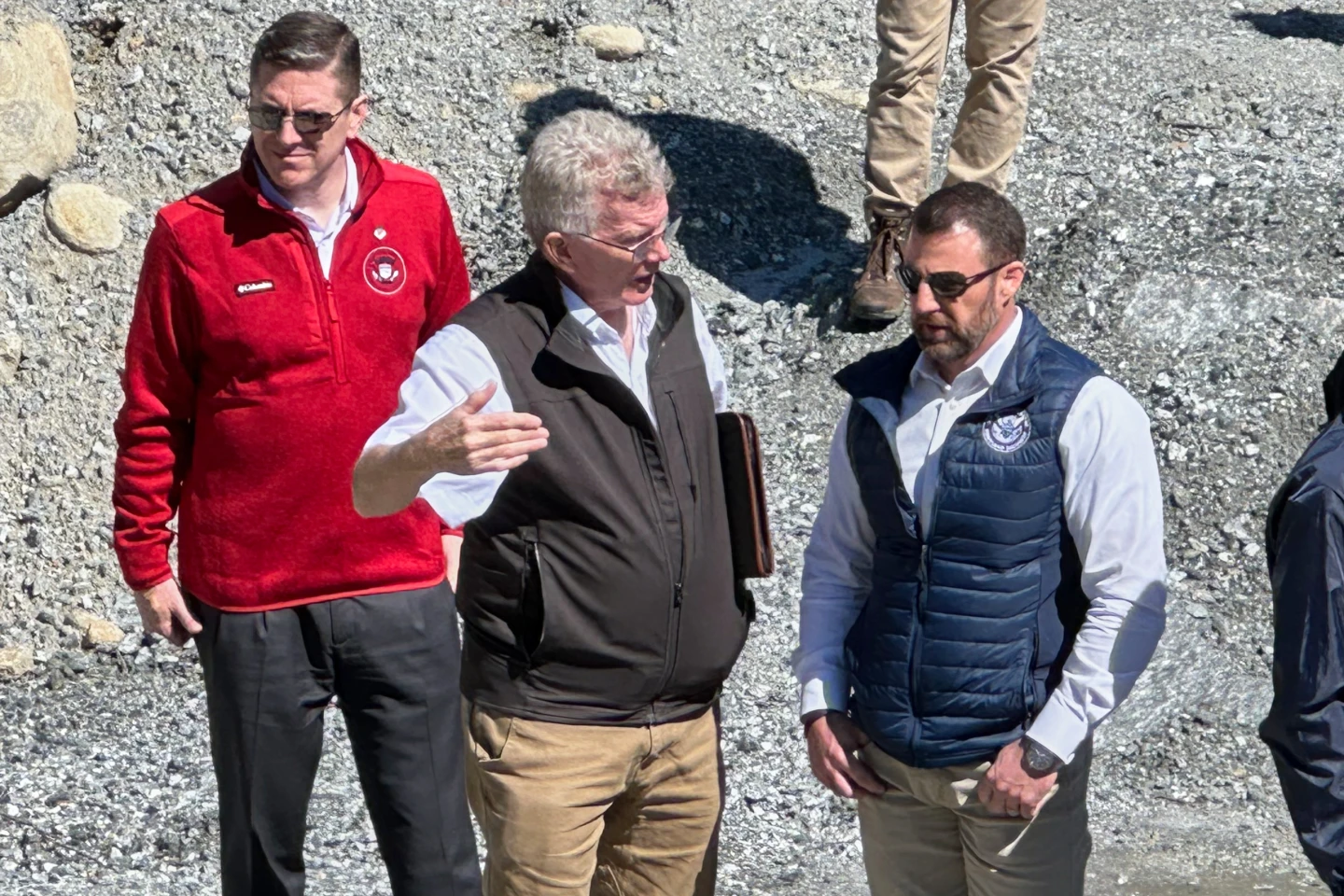
Mullin emphasized his goal of expediting the assistance process, stating, We’re trying to push this stuff forward as fast as possible during a visit to North Carolina for Hurricane Helene recovery efforts. However, inquiries into other pending disaster assistance requests from states and tribes reveal about 15 requests await action, alongside three appeals from previous denials.
Moreover, criticism has arisen regarding delays partners have experienced when seeking disaster declarations, with some states waiting for months for decisions. With the prospect of a new hurricane season looming, Mullin has indicated that he plans to relay updates on pending declarations directly to Trump.
Overall, while the federal government has opened the door to support for several states impacted by disasters, the ongoing funding struggles and administrative challenges may pose risks to timely disaster response and long-term recovery efforts across the nation.