In brief
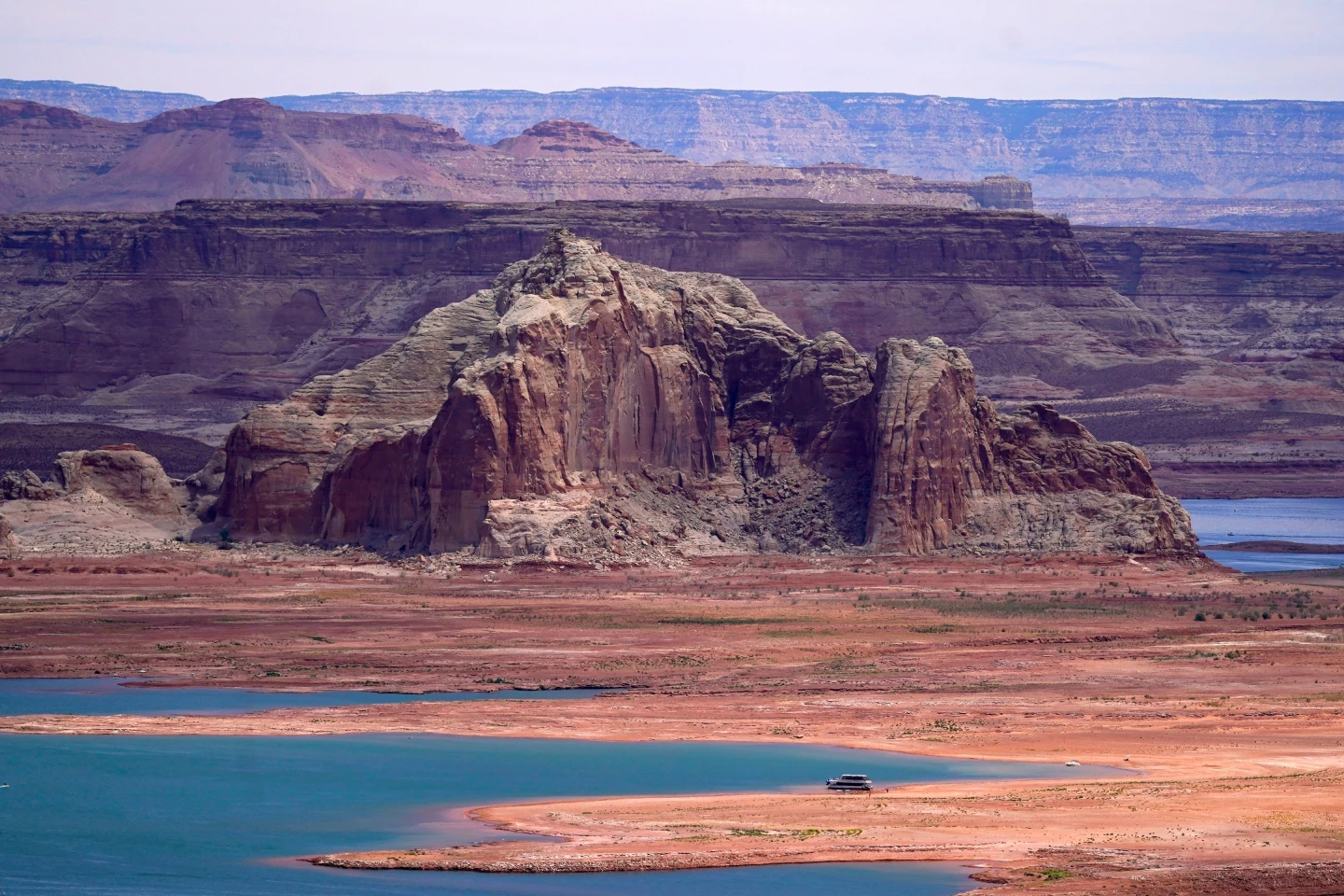
In a pressing response to the driest winter on record, officials will release substantial water from Flaming Gorge Reservoir into Lake Powell to support electricity generation for over 350,000 homes. The plan, however, poses risks to downstream ecosystems and has triggered concerns among local business owners and water managers alike as the region grapples with a protracted megadrought.
FORT COLLINS, Colo. (PulseWire) — This spring, canyons in eastern Utah will flow with a massive volume of water, resembling the consistent flushing of 50,000 toilets simultaneously, as authorities aim to elevate the dangerously low levels of Lake Powell to sustain electricity generation for thousands of homes across the Western U.S.Despite what might appear as an abundance of moisture in the parched deserts of Utah, the move is a reaction to the unprecedented dryness experienced over the winter months. Officials plan to release up to one-third of the water held in Flaming Gorge Reservoir, situated upstream on the Green River in Wyoming and Utah, in an attempt to prevent Lake Powell from dropping further. Lake Powell, managed by the Glen Canyon Dam, provides affordable and carbon-free electricity to more than 350,000 homes, but this comes with increased stress on the water resources vital to ranchers, industries, and millions of residential water customers.As the summer months approach, the water levels at Flaming Gorge are expected to diminish by 10 feet due to the water releases, leading to navigational challenges for local businesses reliant on boating activities. “Of course we’re concerned,” said Jen Valdez, a marina owner in the area. The federal Bureau of Reclamation is tasked with ensuring that Lake Powell maintains its waterline high enough to avoid air intake that would disrupt power generation processes. Yet, the necessity of such drastic measures reveals the complex balancing act between competing water interests and energy needs. The drought has severely impacted the region over the last quarter-century due to climate change, raising concerns that are not just economic but also ecological. Local authorities predict that this temporary solution might not suffice as evaporation, increased water demand for agriculture, and climate conditions continue to challenge the sustainability of Lake Powell's operations.While water managers are ostensibly ensuring hydropower delivery during critical months, the environmental implications—such as the possible invasion of non-native fish species—pose long-term threats to the delicate ecosystems along the Colorado River. Local leaders remain hopeful for more precipitation in the coming months, yet the looming megadrought serves as a reminder of the urgent need for sustainable solutions.