In brief
In light of recent reforms that weaken protections for glaciers, Argentina faces a potential crisis. The changes, aimed at enhancing mining investments, have raised alarms among locals who heavily rely on glacial meltwater for agriculture and domestic use. Featuring voices from vineyard owners and glaciologists, this article explores the delicate balance between development and environmental preservation.
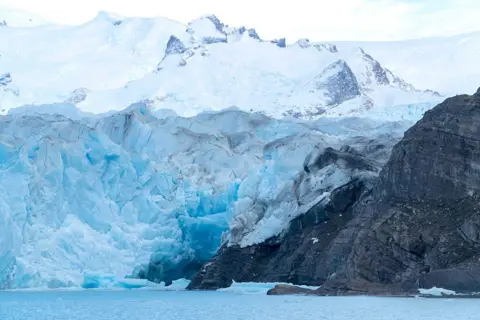
Without water, there would be no wine, Virginia de Valle reflects, as she walks through her family's vineyard in Mendoza, Argentina, nestled at the foot of the Andes mountains. Winemakers like her depend on the glaciers and snowpack of the Andes for vital irrigation, but recent legislative changes threaten this essential water source. With the Argentine government passing reforms that loosen protections on glaciers, the future of water for both agriculture and residents is uncertain.De Valle explains, The Andes mountains, with their winter snow and glaciers, feed the rivers and streams that flow into the valley to irrigate our crops. This is also the water we consume in our homes. That is why people say 'Mendoza is the daughter of water.' Glacial meltwater has become increasingly critical during drought years, which are becoming more frequent.Argentina is home to 16,968 glaciers that provide vital water to 36 river basins across 12 provinces, supporting approximately seven million people. However, the new law shifts responsibility for glacier management from national protections to provincial governments, leading to worries about prioritization of economic interests over environmental concerns.The 2010 glacier law, globally recognized for safeguarding these important water reserves from damaging exploitation, included protections for the periglacial environment. But as authorities now consider the economic benefits of developments like copper and lithium extraction, environmentalists warn that this could jeopardize not just glaciers, but the water security of millions. Protests against the changes have erupted across the country, with slogans like Los glaciares no se tocan (Hands off the glaciers) echoing in communities from Mendoza to Patagonia. Citizens have voiced their concerns through public hearings, yet the push for deregulation continues as proponents of mining investments argue for economic growth.Critics, including environmental scientists and local farmers, respond that mining could disrupt essential water supplies and harm ecosystems already under stress. Glaciologist Lucas Ruiz states, “The most false part of it all is the claim that there are glaciers that do not contribute to rivers. If it’s a glacier, it has ice and contributes water.” He emphasizes the paradox faced in Argentina’s race towards a more extractive future, which risks both natural resources and community well-being.As arguments rage about the future of these invaluable environments, those like De Valle remain steadfast: Every drop of water counts, underlining the urgent need to consider both water security and sustainable development.