In brief
Des Moines faces daily costs of around $16,000 for nitrate removal as pollution levels spike due to climate change. Experts warn that warmer winters and increased rainfall are exacerbating water quality issues, threatening public health and increasing expenses for residents. The state is at a critical juncture where proactive environmental strategies are needed to address agricultural runoff and sustain clean water resources.
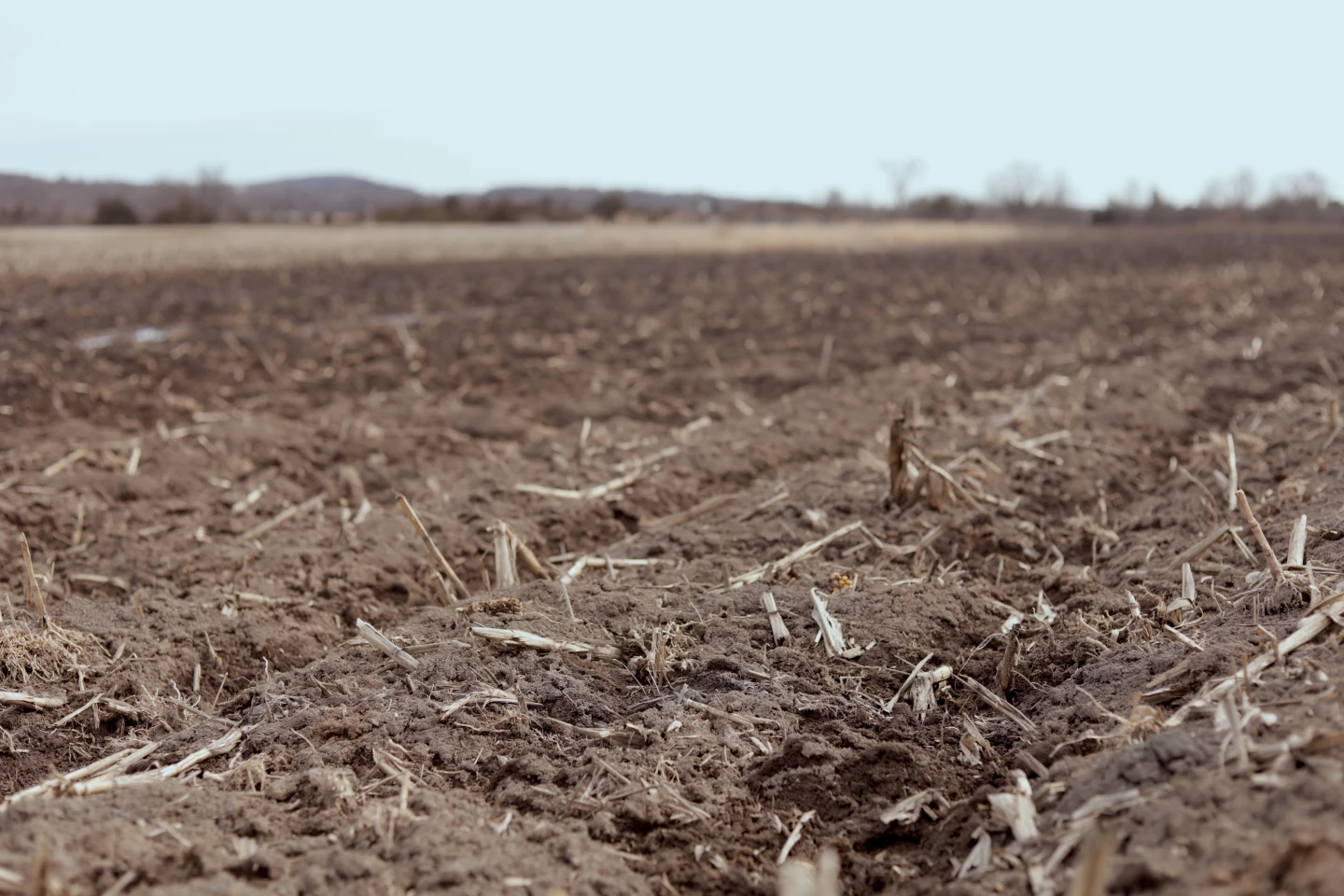
In Iowa, increased nitrate pollution in drinking water highlights the environmental costs of climate change. Des Moines incurs roughly $16,000 daily in expenses for a specialized system to filter hazardous nitrates—a crisis aggravated by changes in seasonal weather patterns and agricultural runoff. With warmer winters fostering conditions conducive to nitrate leaching, the situation is increasingly critical for Iowa's water quality. Climate experts caution that rising winter temperatures and extreme weather will likely perpetuate this trend, emphasizing the urgent need for effective strategies to manage agricultural impacts on water resources. The burden falls disproportionately on low-income and rural communities, many of which lack necessary filtration systems, while the state's regulatory framework remains challenged by agricultural interests. The future of Iowa's water safety depends on balancing agricultural practices with sustainable environmental stewardship.