Iceland has joined Spain, Ireland, Slovenia and the Netherlands in saying it will boycott the 2026 Eurovision Song Contest. All five countries have withdrawn after Israel's participation in the competition was officially confirmed last week.
The Icelandic National Broadcasting Service (RÚV) has decided not to participate in the Eurovision song contest in Vienna, Austria, next year, a statement said after an RÚV board meeting on Wednesday.
Participation of Israeli national broadcaster, KAN, in the contest has created disunity among both members of the European Broadcasting Union (EBU) and the general public.
The board meeting came hours before the deadline for countries to confirm whether they will join what's supposed to be a celebratory 70th anniversary edition of the song contest next May.
Iceland was believed to be the last remaining country to announce its decision.
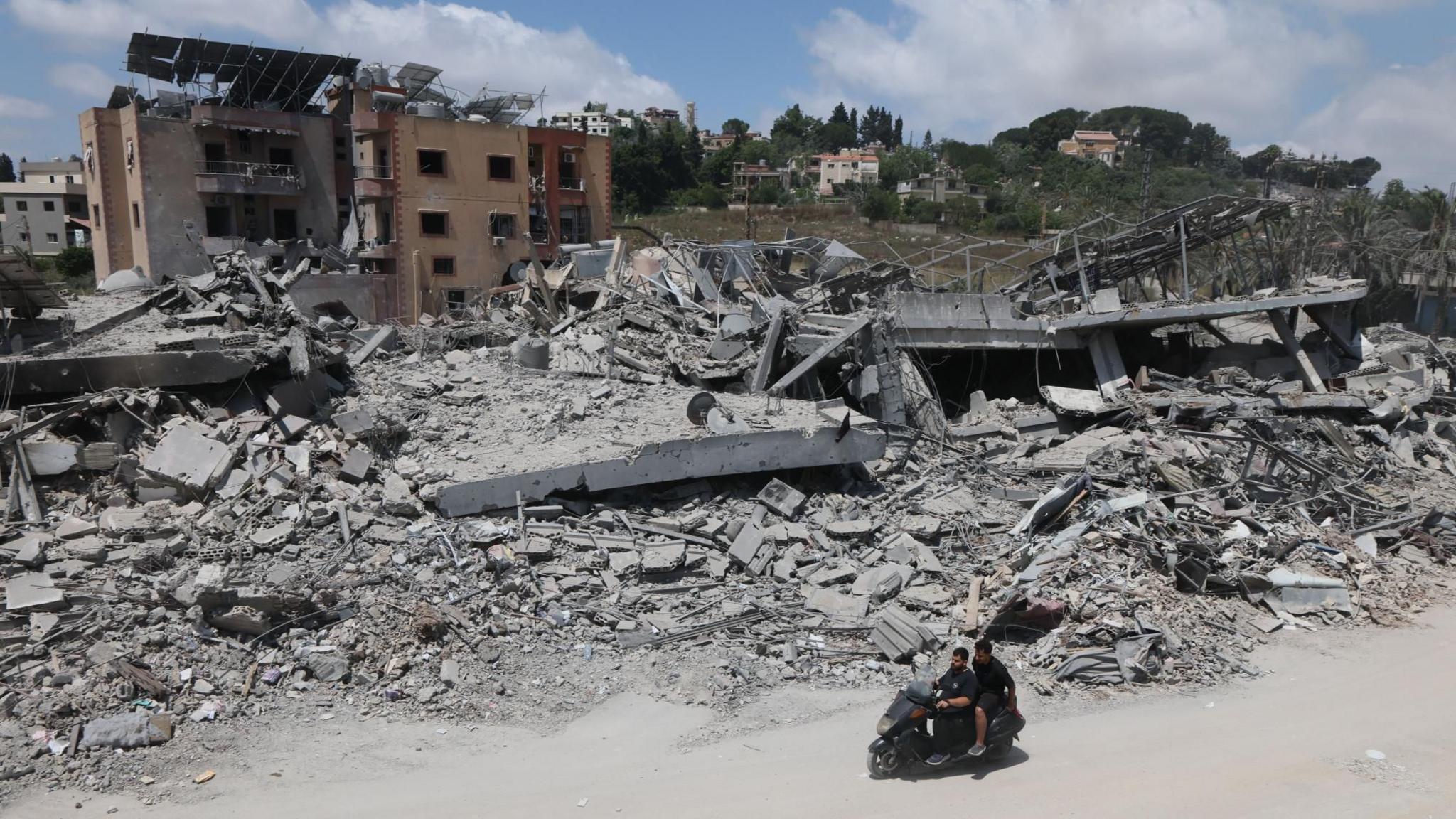
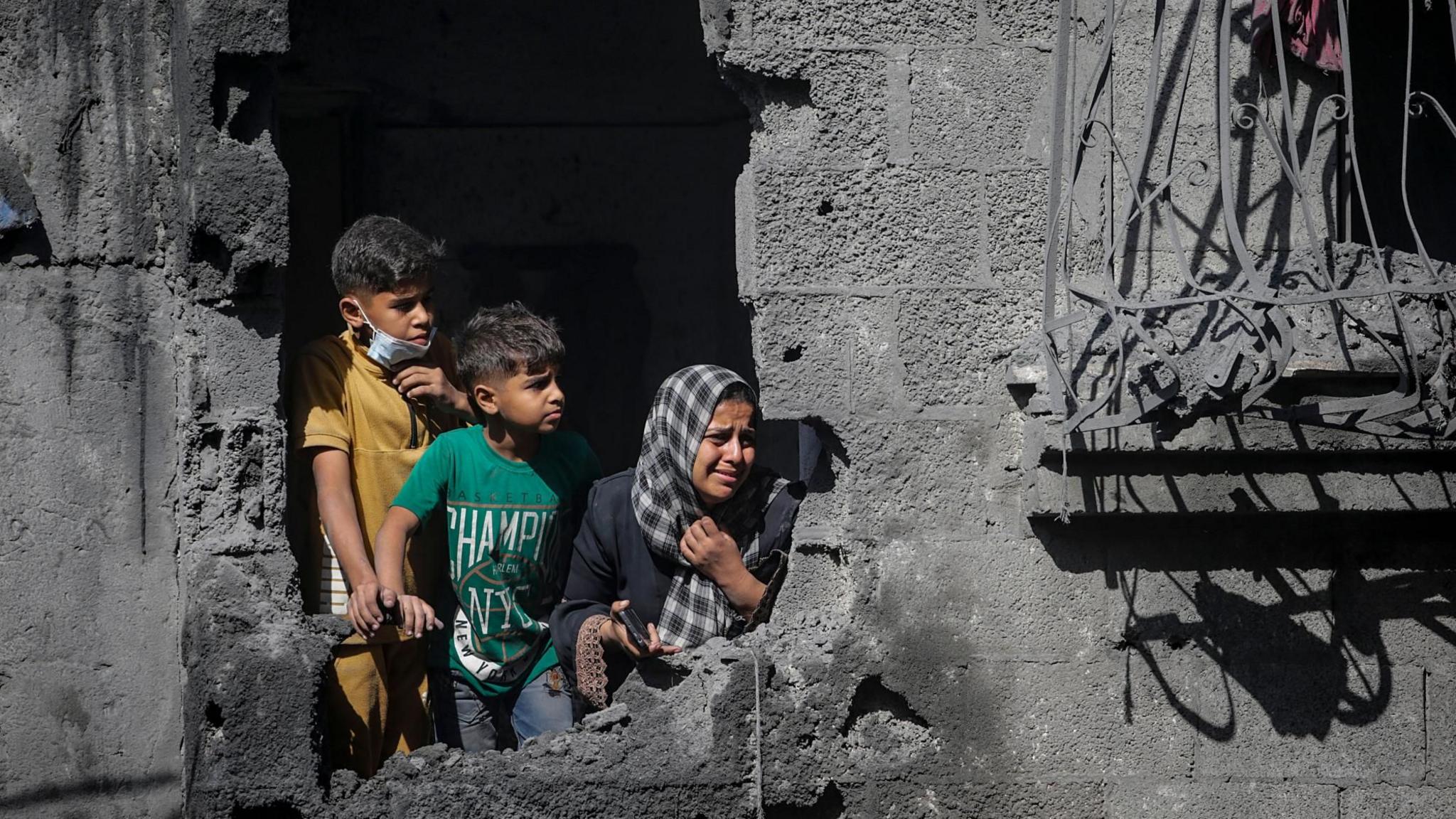
Israel's presence at Eurovision has been an increasing source of tension, due to the war in Gaza and concerns about the voting and campaigning processes, including accusations that Israel's government tried to influence the public vote at this year's event.
Public opinion in Iceland and the reaction to last week's EBU summit mean the country's participation at Eurovision 2026 would neither be a source of joy nor peace, it said. RÚV's conclusion follows a collective decision among the Icelandic populace opposing participation in light of the current geopolitical climate.
The Icelandic National Broadcasting Service (RÚV) has decided not to participate in the Eurovision song contest in Vienna, Austria, next year, a statement said after an RÚV board meeting on Wednesday.
Participation of Israeli national broadcaster, KAN, in the contest has created disunity among both members of the European Broadcasting Union (EBU) and the general public.
The board meeting came hours before the deadline for countries to confirm whether they will join what's supposed to be a celebratory 70th anniversary edition of the song contest next May.
Iceland was believed to be the last remaining country to announce its decision.
Israel's presence at Eurovision has been an increasing source of tension, due to the war in Gaza and concerns about the voting and campaigning processes, including accusations that Israel's government tried to influence the public vote at this year's event.
Public opinion in Iceland and the reaction to last week's EBU summit mean the country's participation at Eurovision 2026 would neither be a source of joy nor peace, it said. RÚV's conclusion follows a collective decision among the Icelandic populace opposing participation in light of the current geopolitical climate.