Ceasefire Announced Between Lebanon and Israel Amid Ongoing Conflict
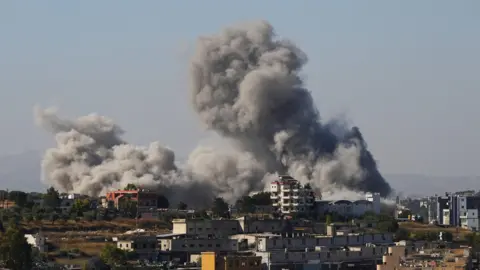
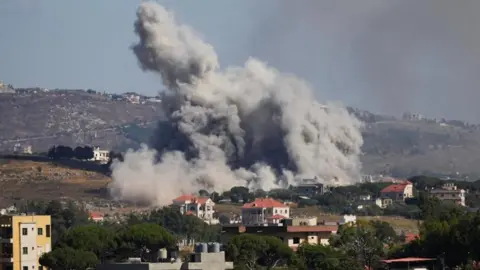
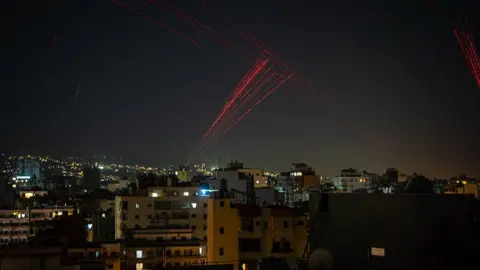
US President Donald Trump has announced that the leaders of Israel and Lebanon have agreed to a 10-day ceasefire, which took effect at midnight local time on April 16, 2026. This ceasefire comes after weeks of conflicting exchanges between the two nations, primarily fueled by hostilities involving Hezbollah, the Iran-backed militant group in Lebanon.
In his statement, Trump did not explicitly mention Hezbollah, but later urged the group on social media to 'act nicely and well during this important period of time.' Following this announcement, both Israeli Prime Minister Benjamin Netanyahu and Lebanese President Joseph Aoun were invited to the White House for further discussions.
Details of the Agreement
The terms specify that the ceasefire will last for 10 days and can be extended if both parties agree positively. The agreement includes critical directives from the US State Department outlining the responsibilities of each side: Israel retains the right for self-defense against any actions perceived as threats, while Lebanon must take significant actions to prevent Hezbollah and any non-state armed groups from attacking Israeli targets. Furthermore, the agreement recognizes the role of Lebanon’s security forces in maintaining order.
This truce was described as a 'gesture of goodwill' on Israel's part to facilitate positive negotiations towards a long-term peace arrangement.
Reactions
Both leaders expressed cautious optimism regarding the truce. Netanyahu termed it an opportunity for a historic peace agreement, while Lebanese Prime Minister Nawaf Salam hopes it will help displaced people return home. Hezbollah has indicated support for the ceasefire, yet has insisted on conditions, including a comprehensive halt to Israeli attacks and restrictions on Israeli military movements.
Iran also welcomed the ceasefire, showcasing solidarity with Lebanon in light of ongoing tensions in the region. Notable global leaders, including UN Secretary General António Guterres, commended the US's facilitative role in this agreement and called for respect for international laws throughout the process.
Existing Tensions and Buffer Zones
Despite the ceasefire announcement, Netanyahu emphasized the necessity of an Israeli buffer zone in southern Lebanon to prevent potential threats. The situation remains delicate, with Israel having returned military presence to the region after Hezbollah's actions and prior strikes on Iranian influences, leading to a complex landscape of military maneuvers and geopolitical interests.
The ceasefire announcement follows reports of over 2,100 fatalities in Lebanon due to the recent conflict, illustrating the critical importance of this temporary respite for humanitarian reasons and further negotiations.