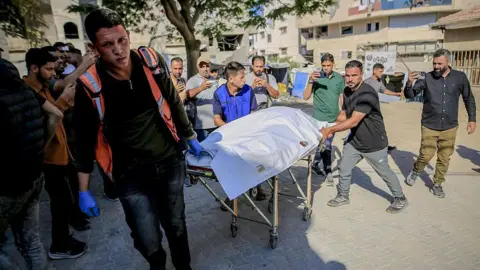
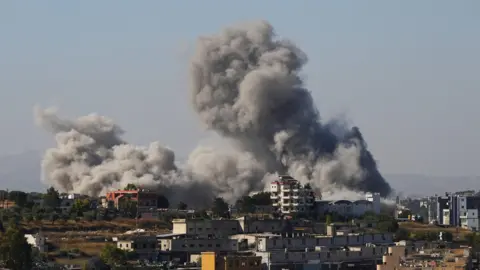
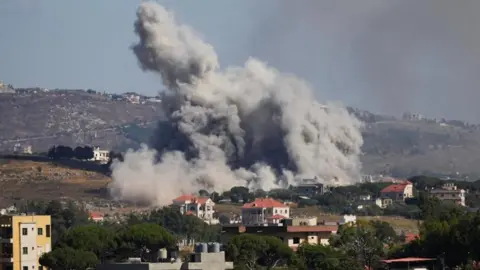
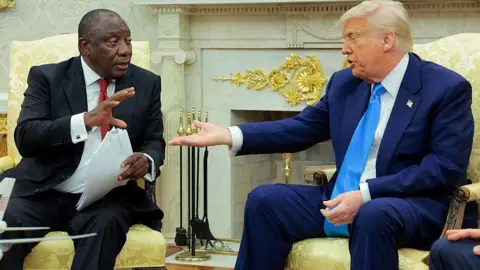
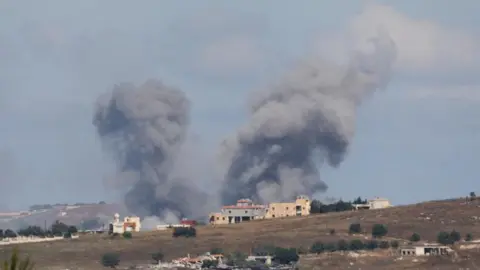
The leaders of Israel and Lebanon have agreed a 10-day ceasefire starting from 17:00 EST (21:00 GMT; midnight local time), US President Donald Trump announced. For the past six weeks, Israel and Hezbollah, an Iran-backed armed group, have been engaged in conflict in southern Lebanon. Israeli Prime Minister Benjamin Netanyahu affirmed Israel's participation in the truce, noting that troops would maintain a 10km deep 'security zone' in southern Israel, stating, 'We are there, and we are not leaving.' Conversely, Hezbollah expressed willingness to participate but emphasized the need for a comprehensive halt to attacks and freedom of movement restrictions for Israeli forces. The ongoing conflict has resulted in significant casualties and displacements, with over 2,000 people in Lebanon reported dead and approximately one million displaced. Direct talks in Washington this week aimed at mediating the conflict led to the announcement of this ceasefire. Trump stated he would invite Netanyahu and Lebanon's President Joseph Aoun to the White House for further discussions, marking a rare and meaningful diplomatic engagement since the Lebanese Civil War. While the ceasefire may temporarily pause fighting, significant questions regarding Hezbollah's armament remain unresolved, with Lebanese officials insisting that disarmament must be achieved through negotiations rather than force.
Israel and Lebanon Reach 10-Day Ceasefire Agreement Amid Ongoing Conflict
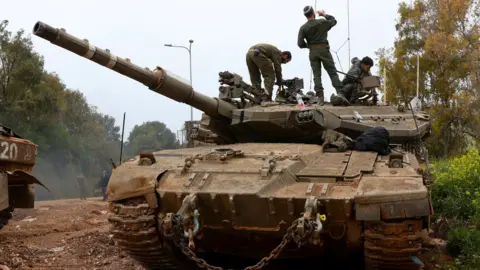
Israel and Lebanon Reach 10-Day Ceasefire Agreement Amid Ongoing Conflict
In a significant diplomatic development, Israel and Lebanon have agreed to a 10-day ceasefire to halt hostilities that have escalated in recent weeks, as confirmed by US President Trump. This ceasefire aims to pave the way for further negotiations and peace efforts.
The leaders of Israel and Lebanon have agreed to a 10-day ceasefire starting from 17:00 EST, as confirmed by US President Donald Trump. This comes after six weeks of conflict primarily involving Hezbollah. Both countries have stated conditions regarding military presence and ceasefire terms, which could shape future discussions aimed at lasting peace.