In brief
In the wake of renewed violence in Lebanon, President Joseph Aoun seeks peace by considering negotiations with Israel. However, Hezbollah's influential position and refusal to disarm pose significant hurdles. The group's supporters see them as protectors against Israeli incursions, while opponents link them to Iran's interests, complicating Lebanon's path toward stability and security.
Lebanon finds itself once again embroiled in conflict, with President Joseph Aoun pushing for peace amidst mounting tension involving Hezbollah, the Shiite militant group deeply entrenched in Lebanese politics and defense.
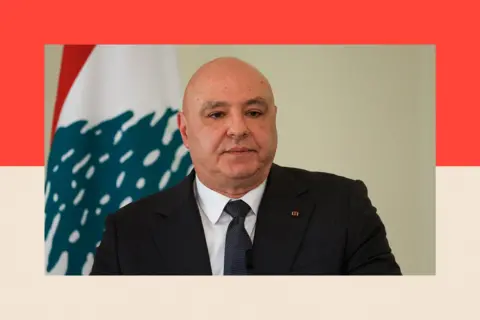
During a recent interview, Aoun, who ascended to the presidency following a brutal conflict involving Israel and Hezbollah, expressed optimism about resolving the longstanding issue of Hezbollah’s arms, which have long divided the nation. I was born an optimist, he stated, echoing his commitment to pursuing a non-violent resolution while hoping to leverage a fragile ceasefire from the 2024 conflict.
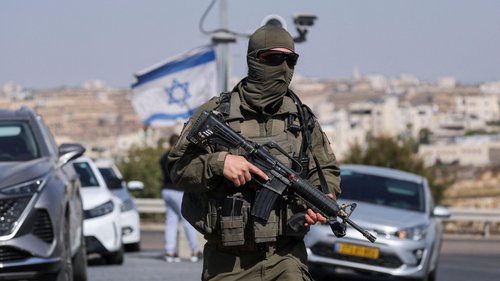
However, Hezbollah’s refusal to disarm poses significant challenges. Once again, the militia played a substantial role in the most recent conflict, demonstrating their capability and resolve by retaliating against attacks from Israel, further entrenching their position as protectors in the eyes of supporters.
Aoun has acknowledged the unlikeliness of disarmament happening without Hezbollah's agreement, stating, Disarmament can't be done by force. This sentiment highlights the precarious balance needed to maintain peace without reigniting sectarian strife.
While President Aoun aims for negotiations that may include talks directly with Israel—a groundbreaking consideration between two adversarial nations—his government remains hampered by Hezbollah's dominant influence and the faction's persistence in asserting its military presence as necessary for Lebanon’s defense against Israel.
As the region watches closely, Aoun’s potential diplomatic engagements may not suffice to alter Hezbollah's deeply rooted position, especially as the wider geopolitical dynamics with Iran complicate Lebanon’s efforts to secure lasting peace.