In brief
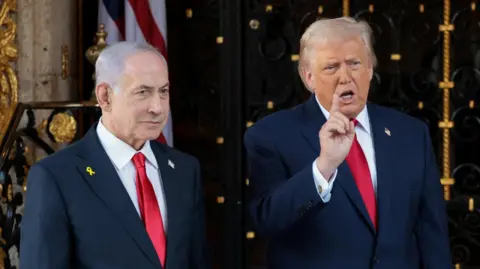
President Trump has brokered a ceasefire agreement between Israel and Lebanon that has caught Israeli officials off guard. Amidst ongoing rocket attacks and skepticism from the Israeli populace about the government's commitment to security, the ceasefire raises concerns about the broader implications of U.S. influence in the region. Key leaders express doubts about the effectiveness of the truce, with a history of unmet agreements adding to public wariness. The situation remains tense as Israeli forces prepare for continued operations, reinforcing the complexities of Middle Eastern geopolitics.
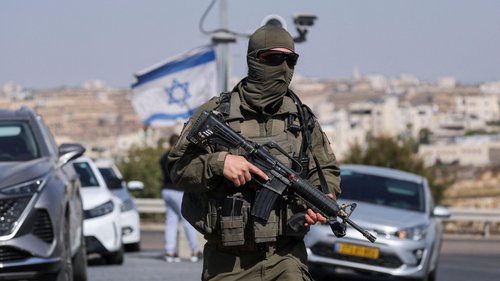
As news of the ceasefire spread through Israel's northern communities, sirens blared three times this evening warning of incoming rockets from Lebanon. In the sky above the northern city of Nahariya, Israel's air defence interceptors shot up to block them, triggering loud explosions. Ambulance crews reported at least three people wounded by shrapnel in the hours before the ceasefire took effect, including two seriously.Amidst these tensions, skepticism reigns across Israel regarding Prime Minister Benjamin Netanyahu's decision to accept the truce. I feel like the government lied to us, said Gal, a student in Nahariya, voicing concerns that the ceasefire would not yield meaningful change. Many residents expressed frustration over perceived failures by the Lebanese government to disarm Hezbollah and implement effective security measures.This ceasefire announcement has reportedly taken Israeli officials by surprise, as Netanyahu convened a security cabinet meeting just five minutes before making the announcement. Leaks indicated that ministers were not afforded a chance to vote on the ceasefire, prompting accusations of capitulation to U.S. demands by many in Israel.Despite Netanyahu framing the ceasefire as a step towards a historic peace agreement, he emphasized that significant military operations would persist, hinting at continued tension on the ground. Iranian influences are also at play, as demands for an end to Israeli operations against Hezbollah have intensified in light of U.S. negotiations.The ceasefire, perceived by many as imposed by external powers, reflects a complex web of geopolitical pressures, further compounding Israel's internal distrust and concern for national security. As the situation evolves, both the Israeli leadership and public remain apprehensive about the potential implications of this development.