In brief
Fighting between Israeli forces and Hezbollah persists following direct talks in Washington. Israel conducted strikes on vehicles near Beirut while Hezbollah launched rockets into northern Israel, leading to casualties. The conflict has deepened humanitarian crises in Lebanon, with over 2,000 reported deaths since hostilities resumed last month.
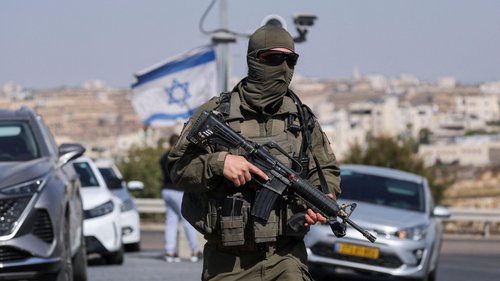
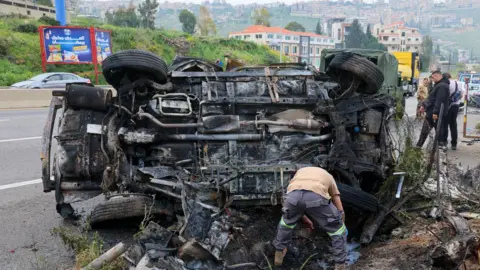
Fighting between Israeli forces and the Iran-backed Lebanese group Hezbollah has continued after Israel and Lebanon held direct talks in Washington aimed at easing the conflict.On Wednesday, Israeli strikes hit two vehicles on the coastal highway south of Beirut, near the towns of Saadiyat and Jiyeh and outside Hezbollah's traditional strongholds.Videos from one scene showed a burned-out van, with first responders working to extinguish the flames and recover human remains. There was no immediate comment from the Israeli military.In northern Israel, a man was wounded in the town of Tamra after Hezbollah launched about 30 rockets across the border, according to medics and the military.Hezbollah said it had launched rockets at 10 locations in northern Israel. The Israeli military also said Israeli troops were continuing ground operations in southern Lebanon and that more than 200 Hezbollah infrastructure sites there, including rocket launchers, had been struck over the past 24 hours.Amid ongoing air and artillery bombardment, Israel renewed calls for residents across a large part of southern Lebanon to evacuate. Although Israel has avoided striking Beirut itself since its wave of attacks across the country a week ago, which Lebanese authorities say killed more than 350 people, it has continued to strike southern and eastern areas.Israel announced plans to create a security buffer zone extending eight to 10km (five to six miles) into Lebanese territory to protect Israeli communities from Hezbollah attacks.The fighting has continued despite a ceasefire between the US and Iran, which Israel has said does not apply to its campaign in Lebanon. On Tuesday, a meeting in Washington brought Lebanese and Israeli representatives together for the first direct, high-level contact in three decades. US Secretary of State Marco Rubio characterized this as a pivotal moment.Lebanese President Joseph Aoun expressed cautious optimism, while Israeli officials view the negotiations as a means to strategize against Hezbollah.However, Hezbollah rejected the negotiations, warning of deepening divisions within Lebanon over the government's decision to engage with Israel. Meanwhile, the humanitarian crisis in Lebanon escalates, with the Lebanese authorities reporting that over 2,124 people, including many women and children, have been killed since March, alongside significant displacement across the nation.