In brief
With at least 136 deaths reported and hundreds more suspected cases, the latest Ebola outbreak in eastern DR Congo has created an atmosphere of fear and uncertainty. Local residents express their distress as health officials scramble to catch up with the rapid spread of the virus, which may have begun circulating undetected for weeks. Health Minister Dr. Samuel Roger Kamba emphasizes the need for improved community awareness and reporting to control the situation.
Fear has gripped Ebola-hit areas in eastern Democratic Republic of Congo as the suspected number of deaths continues to rise, with officials indicating they are struggling to keep up with an outbreak that may have previously gone undetected.
Ebola has tortured us, says a taxi rider in his late twenties in the gold-mining town of Rwampara.
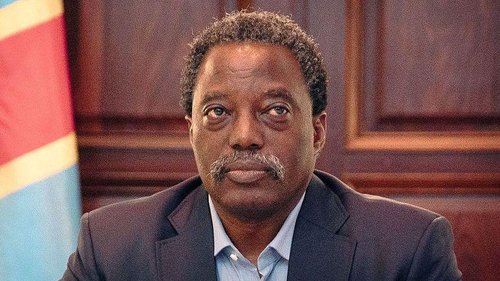
I am scared because people are dying very fast... We are really afraid. Following a visit to Ituri province, the epicenter of the outbreak, over the weekend, Congolese Health Minister Dr. Samuel Roger Kamba acknowledged that health teams are playing catch-up with the virus, which may have been circulating earlier than the first confirmed case was reported on April 24.
The presumed patient zero is a nurse who died in the provincial capital of Bunia but was buried in Mongwalu, a gold-mining town that has reported most of the suspected cases and deaths. Rwampara resident Fred Kiza told the BBC that there is fear, which he deems natural during a crisis like this.
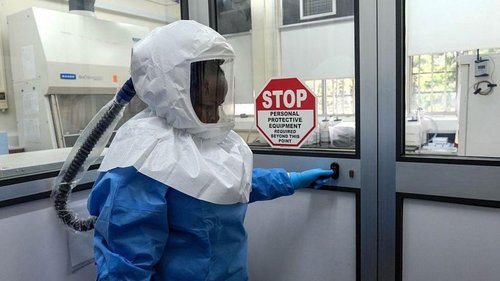
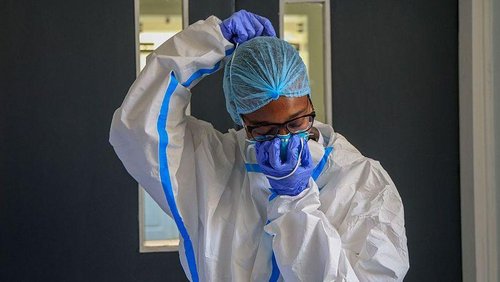
Rwampara residents express the desire for protective measures such as masks to prevent the spread of the virus.
As of Tuesday, 514 suspected cases have been reported, with 136 deaths attributed to the virus, including one in Uganda. The virus has also reached Butembo city and the rebel-controlled Goma in North Kivu province and South Kivu province.
Local health officials have pointed out that several deaths were not reported to the authorities in time, complicating the response efforts. According to the health ministry, formal alerts were only documented from May 8 onward.
Dr. Kamba noted that ineffective community-level communication has delayed the identification of cases and the intervention needed.
The outbreak is attributed to the Bundibugyo strain of Ebola, which is different from what the region has typically faced. Although this strain has caused only two prior outbreaks, affecting about 30% of those infected, its symptoms can be less obvious, leading to misdiagnosis.
The ongoing conflict in eastern DR Congo presents additional challenges for health efforts, with areas already experiencing humanitarian crises exacerbating the situation. Save the Children described the outbreak as a new massive crisis on top of an already difficult situation.
International responses have begun, with the US announcing $13 million in emergency assistance and WHO declaring the outbreak a public health emergency of international concern. Local authorities with experience from previous outbreaks are implementing public health measures in an attempt to control the spread of this serious virus.