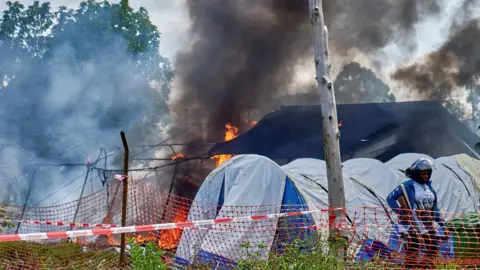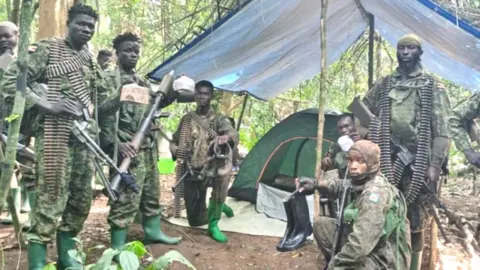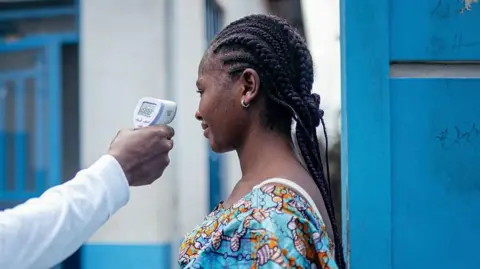
An Ebola outbreak in the Democratic Republic of Congo has been declared a public health emergency of international concern by the World Health Organization (WHO). Dealing with this outbreak is particularly difficult as it involves a rare strain for which there is no vaccine, and the cases have been found in a conflict-affected area.
### What is Ebola and what are the symptoms?
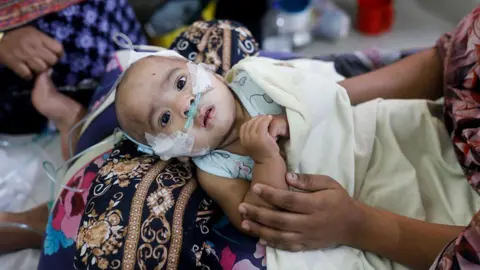
Ebola is a rare but deadly disease caused by a virus. Ebola viruses typically infect animals, especially fruit bats, and outbreaks among humans can begin when people consume or handle infected animals. Symptoms can appear between two to 21 days after exposure and start with flu-like symptoms such as fever, headache, and tiredness, followed by vomiting and diarrhea, potentially leading to organ failure and bleeding.
### Why is this Ebola outbreak different and is there a vaccine?
This outbreak is caused by the Bundibugyo species of Ebola, which had not been seen for over a decade. Previous outbreaks of this strain resulted in a mortality rate of around one-third of those infected. There is currently no approved vaccine for Bundibugyo, and no specific drugs are available for treatment. The conflict situation increases the risk as many people are displaced, and others move across borders, heightening the likelihood of spread.
However, the WHO's emergency declaration does not suggest an immediate risk outside the region as the potential for a widespread pandemic remains low.
### How did the outbreak start?
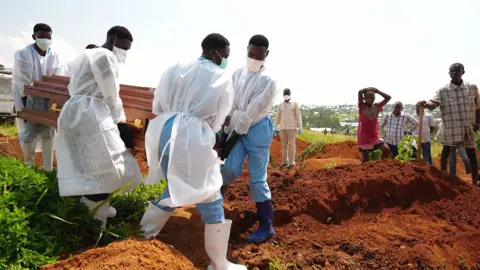
The first known case was a nurse with symptoms appearing on April 24, leading to delays in reporting and detection of the outbreak. The nurse's funeral, which attracted many attendees, became a point of virus transmission before health workers could implement safety measures.
### Where have cases been reported?
Initial cases were identified in towns like Mongwalu and Rwampara, with a confirmed case in the large city of Goma. There are concerns that cross-border movement could facilitate the spread of the virus beyond DR Congo.
### What is being done to tackle the outbreak?
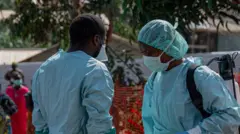
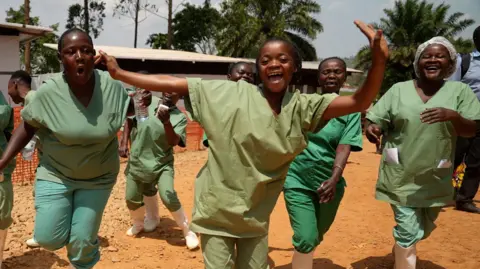
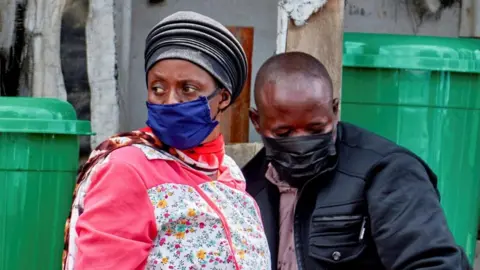
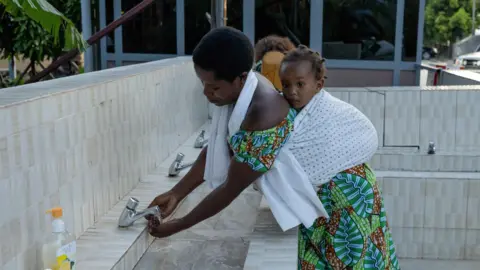
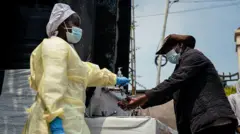
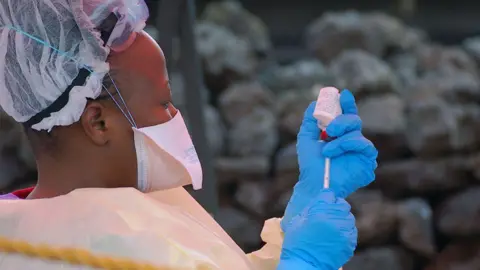
Health teams equipped with protective gear have been dispatched, and organizations like WHO and Médecins Sans Frontières are actively setting up treatment centers. Local residents are being educated on symptoms and preventive measures, including hygiene and the importance of reporting health conditions.
### How are neighbouring countries responding?
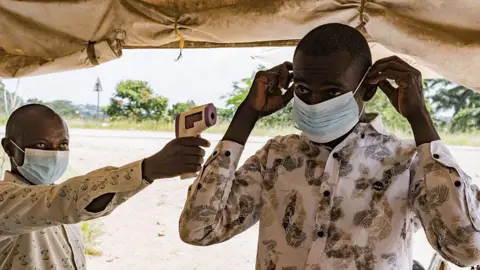
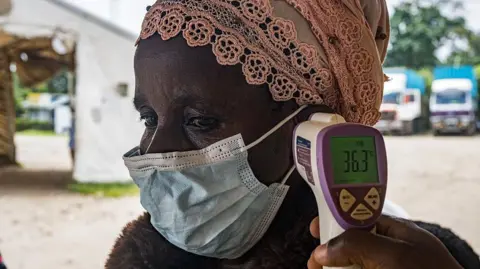
Countries bordering DR Congo, including Uganda and Rwanda, are reinforcing their screening processes and other health measures to prevent the cross-border spread of the virus. Uganda has already reported a case linked to the outbreak.
This complex situation continues to evolve as health authorities grapple with both the disease's spread and the accompanying humanitarian challenges.
### What is Ebola and what are the symptoms?
Ebola is a rare but deadly disease caused by a virus. Ebola viruses typically infect animals, especially fruit bats, and outbreaks among humans can begin when people consume or handle infected animals. Symptoms can appear between two to 21 days after exposure and start with flu-like symptoms such as fever, headache, and tiredness, followed by vomiting and diarrhea, potentially leading to organ failure and bleeding.
### Why is this Ebola outbreak different and is there a vaccine?
This outbreak is caused by the Bundibugyo species of Ebola, which had not been seen for over a decade. Previous outbreaks of this strain resulted in a mortality rate of around one-third of those infected. There is currently no approved vaccine for Bundibugyo, and no specific drugs are available for treatment. The conflict situation increases the risk as many people are displaced, and others move across borders, heightening the likelihood of spread.
However, the WHO's emergency declaration does not suggest an immediate risk outside the region as the potential for a widespread pandemic remains low.
### How did the outbreak start?
The first known case was a nurse with symptoms appearing on April 24, leading to delays in reporting and detection of the outbreak. The nurse's funeral, which attracted many attendees, became a point of virus transmission before health workers could implement safety measures.
### Where have cases been reported?
Initial cases were identified in towns like Mongwalu and Rwampara, with a confirmed case in the large city of Goma. There are concerns that cross-border movement could facilitate the spread of the virus beyond DR Congo.
### What is being done to tackle the outbreak?
Health teams equipped with protective gear have been dispatched, and organizations like WHO and Médecins Sans Frontières are actively setting up treatment centers. Local residents are being educated on symptoms and preventive measures, including hygiene and the importance of reporting health conditions.
### How are neighbouring countries responding?
Countries bordering DR Congo, including Uganda and Rwanda, are reinforcing their screening processes and other health measures to prevent the cross-border spread of the virus. Uganda has already reported a case linked to the outbreak.
This complex situation continues to evolve as health authorities grapple with both the disease's spread and the accompanying humanitarian challenges.