In brief
The Democratic Republic of Congo faces a challenging Ebola outbreak declared a public health emergency by WHO. The rare Bundibugyo strain, lacking a vaccine, exacerbated by local conflicts, complicates containment efforts. Initial cases were linked to funeral practices which may have fueled rapid transmission. Neighboring countries are enhancing preventive measures.
An Ebola outbreak in the Democratic Republic of Congo has been declared a public health emergency of international concern by the World Health Organization (WHO). This outbreak is particularly challenging as it involves the rare Bundibugyo strain of the virus for which there is currently no vaccine, and it has emerged in a region heavily affected by conflict.
Ebola is a deadly disease caused by a virus that primarily infects animals like fruit bats, with human outbreaks often linked to the consumption or handling of infected animals. Symptoms typically appear 2 to 21 days after infection, starting with flu-like indications such as fever, headache, and fatigue. As the disease progresses, severe symptoms including vomiting, diarrhea, and possible organ failure can occur, leading to a high transmission rate via contact with bodily fluids.
This specific outbreak, caused by the Bundibugyo strain, had not been seen for over a decade. Unlike other strains, Bundibugyo has only previously caused two outbreaks with a mortality rate of approximately one-third. Initial blood tests failed to detect the virus because they focus on more common strains, complicating efforts to identify cases rapidly.
The ongoing outbreak is further exacerbated by the social context; it is occurring in a conflict zone where 250,000 people are displaced. Issues such as funeral practices, where many were exposed to the body of the deceased nurse who was the first known case, have contributed to its quick spread. Public health officials are stressing the need for hygiene awareness, particularly during funerals.
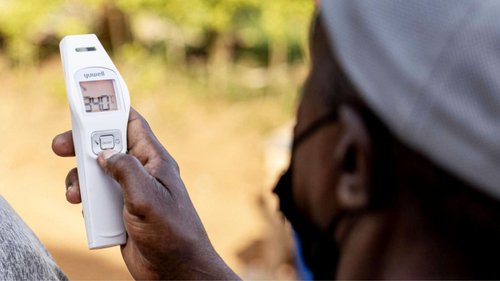
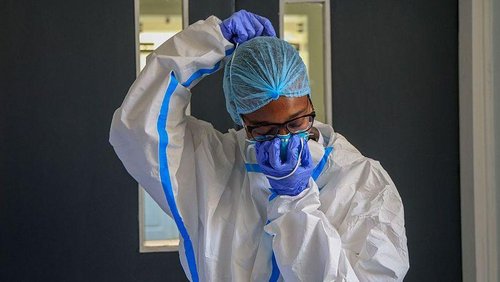
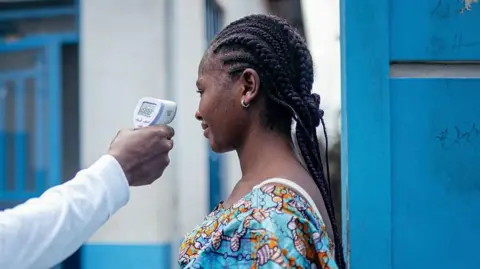
Efforts to tackle the outbreak involve deploying health teams with protective gear to affected areas, while WHO and Médecins Sans Frontières (MSF) are establishing treatment centers. A telephone helpline has been issued for people to report symptoms, and preventive health measures are being promoted within communities.
Neighboring countries, including Uganda and Rwanda, are stepping up preventive measures, with screening processes at borders and delays to large public gatherings such as pilgrimages. Therefore, while the outbreak poses risks, the Ebola threat outside of East Africa remains minimal according to health officials.