In brief
The Bundibugyo strain of Ebola has claimed nearly 200 lives in Ituri province, forcing funerals to abandon long‑held customs. At a busy cemetery in Bunia, mourners who once gathered in communal chants now attend hushed, high‑tech graves. New protocols – body bags sealed in coffins, clear‑film lids, and rapid burials – aim to keep the virus out while allowing families to see the deceased. WHOs anthropologists and IFRC volunteers negotiate cultural sensitivities, even removing unborn children from mothers’ graves to respect beliefs about travelling light. As independent burials grow, the emotional toll remains high, with stories like Joel Lonza’s daily visits underscoring the personal scale of the outbreak and the urgent need for accurate information.
In the north‑east of the Democratic Republic of Congo, the town of Bunia sits at the centre of a devastating Ebola outbreak. Every day, the Nyamurongo cemetery sees families who once swooned with song and ceremony now marching silently toward fresh graves.
“Yesterday I buried my father. Today I’m here for my mother,” says Joel Lonza Makumbu, a man already travelling to the cemetery on his sixth visit. His story echoes that of about 200 dead patients who have claimed lives in the province’s recent epidemic. The virus spreads through blood and other bodily fluids, making contact with any corpse a serious risk.
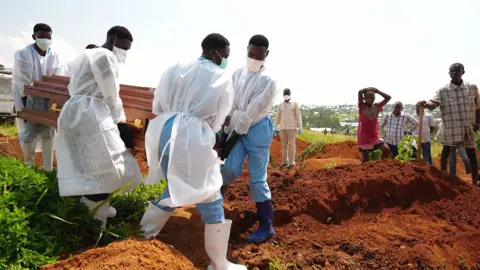
To keep the spread under control, health authorities have revamped burial rites. A new protocol places bodies in leak‑proof bags that are sealed in simple coffins, the coffins featuring translucent panels so mourners can see the deceased without exposure. The bags themselves now have clear film tops, allowing a face to be viewed before the final soil covering.
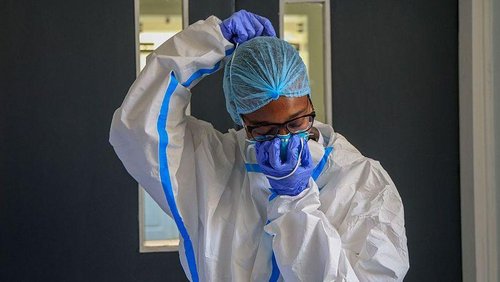
The International Federation of the Red Cross and Red Crescent (IFRC) volunteers now coordinate a brief, decontaminated route from the treatment centre to the cemetery. In one procedure, a volunteer in full personal protective equipment (PPE) collects a coffin from a temporary tent—acting as a makeshift mortuary—and carries it to a truck for transport.
Cultural traditions in Ituri are deeply tied to the appearance of the dead. Families often dress bodies in festive clothing and hold celebratory speeches, believing the deceased is “travelling from one world to the other.” The new safety demands that bodies be wrapped in impermeable bags immediately, a change that many mourners resist or find difficult to accept.
WHO’s anthropologist Julienne Anoko has spent months learning to negotiate between scientific protocols and local beliefs. She explains that the community believes a pregnant woman should not be buried with the foetus still inside, requiring the bubonic child to be removed and buried separately. “Instead of touching the fluids, we remember the ancestors who have already planned a way forward,” she says, reminding families that the same respect for tradition will continue even in talks of new precautions.
The emotional toll is real. As families wait outside the cemetery, mothers with children, friends of patients, and relatives of multiple deceased gather in silence, sometimes sharing tears. When Joel finishes covering his mother’s grave, he warns he may soon be back at the cemetery for a seventh trip.
Ebola’s presence shakes the core of communal life, but it also sparks new practices that could shape future burial protocols. The intersection of cultural respect and infectious disease control remains a delicate balance that the community continues to navigate—one grave at a time.
Follow us on Twitter at @BBCAfrica or on Facebook at BBCAfrica for more updates on the outbreak.