In brief
The Democratic Republic of Congo is facing a new Ebola outbreak in the Ituri province, with 246 cases and 80 deaths reported so far. The situation has raised alarms due to an imported case in Uganda. Health agencies emphasize urgent measures to prevent further spread as the country collaborates with regional partners for response efforts.
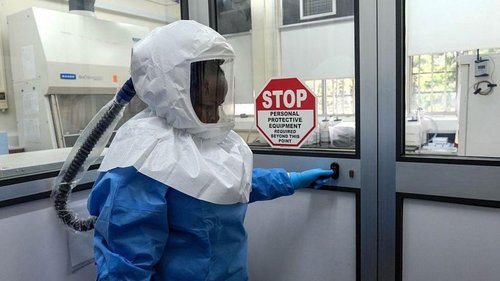
Africa's top health agency has declared an Ebola outbreak in the eastern region of the Democratic Republic of Congo, particularly affecting Ituri province. Reports indicate that there are approximately 246 confirmed cases and at least 80 deaths, predominantly in the gold-mining towns of Mongwalu and Rwampara, as confirmed by the Africa Centres for Disease Control and Prevention (CDC).Ugandan health authorities have noted an imported case of Ebola from DR Congo, wherein a 59-year-old male patient succumbed to the virus.Ebola was initially identified in the DRC in 1976 and is believed to have originated from bats. This current outbreak marks the 17th occurrence of the deadly viral disease in the nation. The virus is transmissible through direct contact with bodily fluids and is characterized by severe symptoms including bleeding and organ failure.The symptoms typically begin with fever, muscle pain, and fatigue, progressing to vomiting, diarrhoea, and potentially fatal outcomes. The World Health Organisation (WHO) reports an average fatality rate of around 50% for Ebola.Preliminary tests conducted by the Institut National de Recherche Biomédicale (INRB) indicated the virus in 13 out of 20 samples tested. The further spread of the virus is particularly concerning due to the densely populated areas of Rwampara and Bunia, as well as ongoing mining activities.The health agency has urged at-risk communities to adhere to health guidelines as the Congolese government and international partners coordinate efforts to address the outbreak, including measures for cross-border surveillance with neighboring Uganda and South Sudan.There is growing apprehension over the potential for rapid spread, given the high rates of population movement in the area. The government has yet to formally declare an outbreak but plans to hold a press conference to provide further information.Historically, the worst outbreak of Ebola in DRC occurred between 2018 and 2020, resulting in 2,300 deaths. Recent outbreaks have also taken a toll, including a separate incident last year that claimed 45 lives.