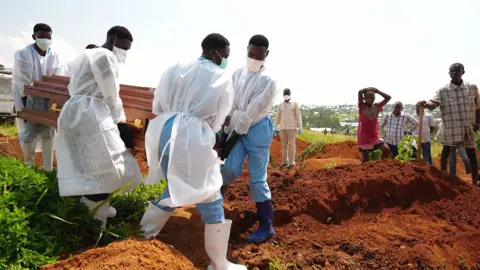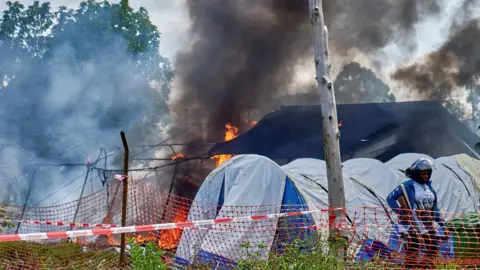
People living close to the epicentre of a deadly Ebola outbreak have voiced their fears, as the World Health Organization (WHO) warns that cases may be spreading faster than initially thought.
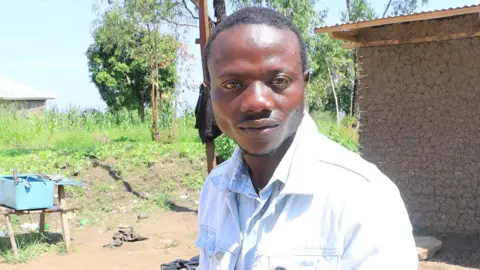
In the northeastern Ituri province of the Democratic Republic of Congo (DRC), one resident lamented how quickly infected individuals have been dying, stating, Ebola has tortured us. The outbreak has reportedly claimed 136 lives, with over 514 cases suspected across the country, plus one confirmed death in neighboring Uganda.
According to Dr. Anne Ancia of the WHO, increased investigation into the outbreak is revealing that cases have spread beyond initial detection zones, highlighting substantial under-detection of cases. A recent modeling study conducted by the London-based MRC Centre for Global Infectious Disease Analysis suggests that the number of infections could exceed 1,000.
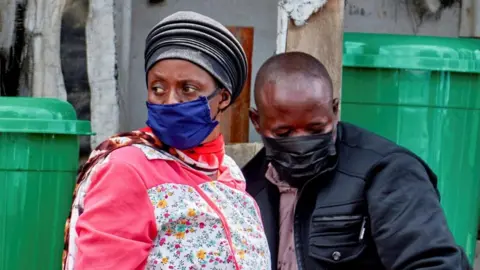
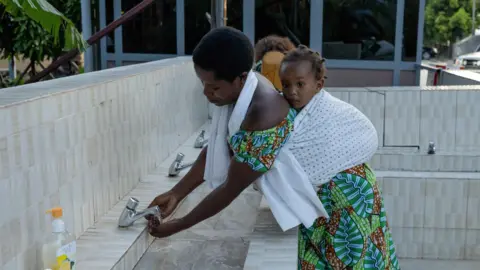
As local communities strive to protect themselves—such as washing hands with clean water—residents express essential needs for face masks and other safety equipment. Those aware of the threat admit they remain uncertain about necessary precautions if someone close were to contract the virus.
The Red Cross warns that if early cases remain unidentified and healthcare systems continue to be overwhelmed, the epidemic could worsen quickly. This latest outbreak occurs amidst high instability, compounded by years of conflict in the region, resulting in damaged healthcare facilities and displacement of millions of individuals living in unsanitary conditions.
In response, President Félix Tshisekedi urged calm during a recent crisis meeting, while WHO head Tedros Adhanom Ghebreyesus expressed serious concern about the outbreak's rapid escalation. The international agency has released nearly $4 million to address the crisis; however, significantly more funds may be required to combat the spreading threat.
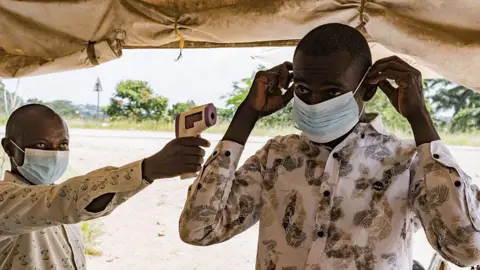
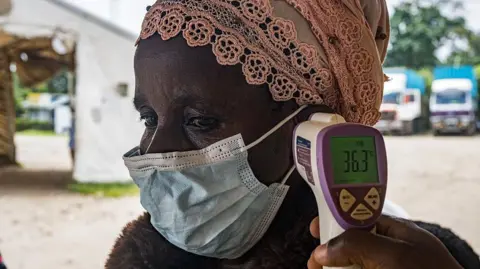
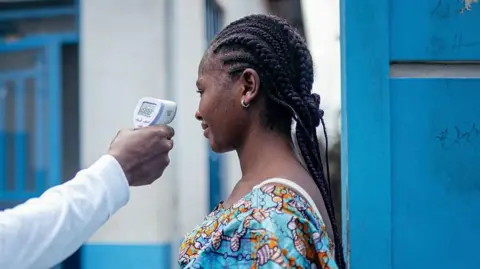
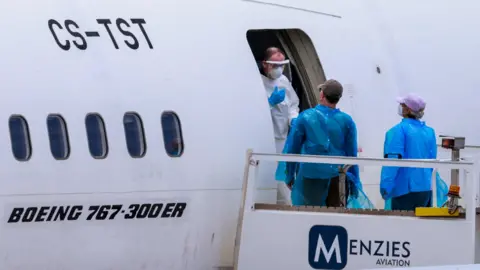
Countries surrounding the DRC are enhancing border screenings and orchestrating plans to safeguard their populations, with Rwanda closing its borders and Uganda advising against physical contact.
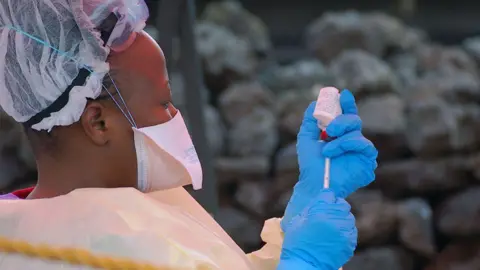
As DRC struggles to contain the outbreak, the WHO and other organizations continue to work with local authorities and communities to encourage preventive action and ensure that symptoms are reported promptly to healthcare providers.