In brief
The World Health Organization has dramatically raised the public health risk of Ebola in the Democratic Republic of Congo from 'high' to 'very high' as the Bundibugyo strain spreads. With 177 suspected deaths and 750 cases reported, the outbreak is concentrated in eastern DR Congo where violence and insecurity severely hamper response efforts. A recent incident saw angry relatives set fire to a hospital in Bunia after health workers refused to release an Ebola victim's body, highlighting dangerous tensions. While the WHO warns the regional risk remains 'high' and global risk 'low', Oxford University scientists are accelerating vaccine development with clinical trials expected within 2-3 months. The Serum Institute of India has pledged mass production, offering hope for containment but with significant delays due to the war-torn region's instability. 'Ebola has tortured us,' said a Rwampara resident, as fear grips communities where fruit bats are the virus's natural reservoir.
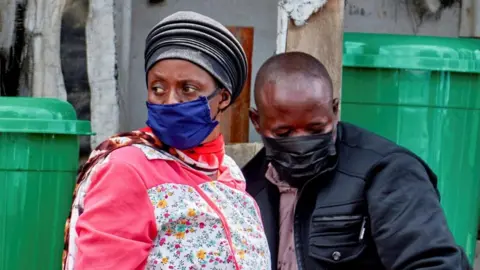
BREAKING: The World Health Organization has raised Ebola risk in the Democratic Republic of Congo from 'high' to 'very high' amid escalating crisis. In a Friday update, WHO Director-General Tedros Adhanom Ghebreyesus announced the national risk level was revised to 'very high,' while warning the broader African region remains 'high' and global risk 'low.'The Bundibugyo strain outbreak, which has claimed 177 suspected deaths and infected 750 people in eastern DR Congo, faces critical obstacles. Health workers recently battled angry relatives who set fire to a hospital in Bunia after refusing to release a corpse due to contamination risks. Police fired warning shots during the chaos, while medical staff now operate under military protection.'Ebola has tortured us,' said a Rwampara taxi rider, as fear permeates communities where fruit bats—the virus's natural host—live in close proximity to humans. WHO officials warn that violence and insecurity in war-ravaged regions are crippling containment efforts, with suspected cases now confirmed in rebel-held areas.Meanwhile, a potential lifeline emerges: Oxford University scientists are developing a new Ebola vaccine based on AstraZeneca's Covid-19 technology, with animal testing already underway. The Serum Institute of India has agreed to mass-produce doses once medical-grade materials are ready. However, full effectiveness remains uncertain, with clinical trials expected within 2-3 months.Dr. Vasee Moorthy, WHO's research adviser, noted another promising experimental vaccine could be ready for human trials in 6-9 months. 'This is the most promising approach,' he stated, comparing it to Ervebo—the existing vaccine for the more deadly Zaire strain.Tedros emphasized the urgent need to build trust: 'We are now revising our risk assessment to very high at the national level, high at the regional level, and low at the global level.' He also confirmed two Ebola cases in Uganda, both from travelers from DR Congo.As communities brace for more deaths, residents share desperate pleas: 'We are really afraid,' said Fred Kiza of Rwampara. With no proven vaccine for this rare strain and ongoing violence blocking aid, the WHO warns this outbreak may intensify unless immediate action is taken.}