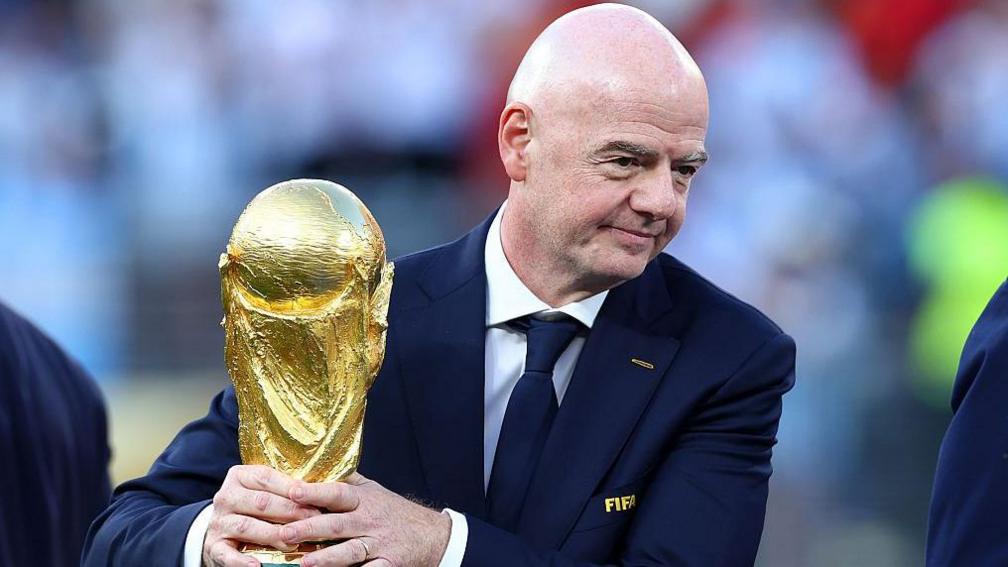
FIFA has set its sights on a fresh source of revenue, proposing that private investors buy minority, non‑controlling shares in its new commercial arm, FIFA Forward Enterprise (FFE). The idea is to let member associations tap into the lucrative profits of flagship tournaments, including the World Cup, while keeping control of the sport’s core values.
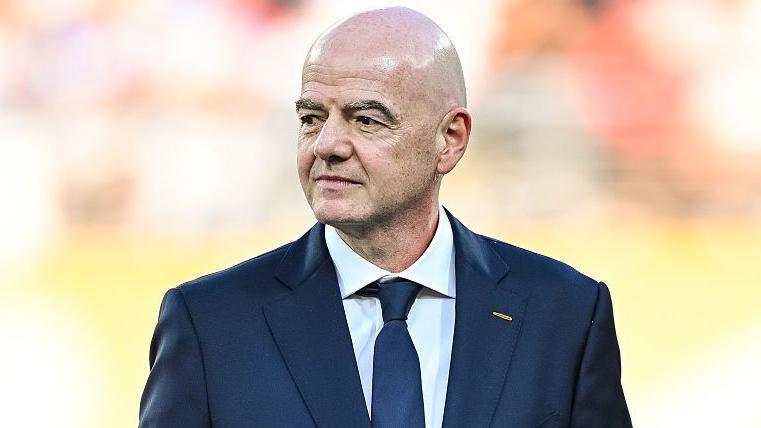
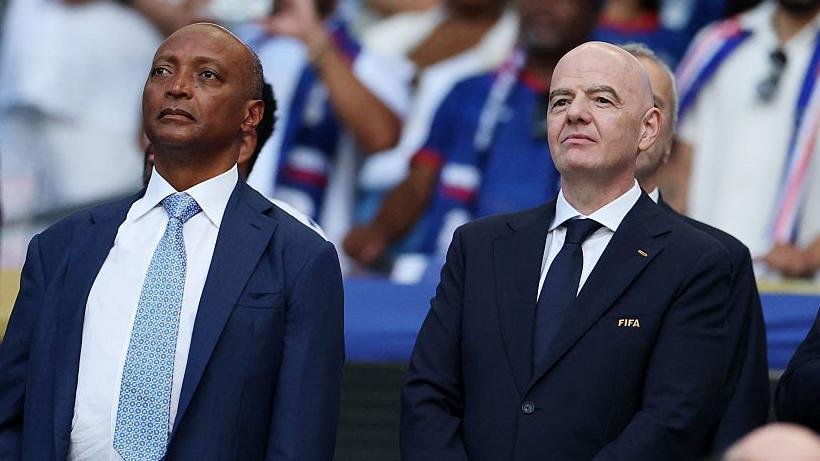
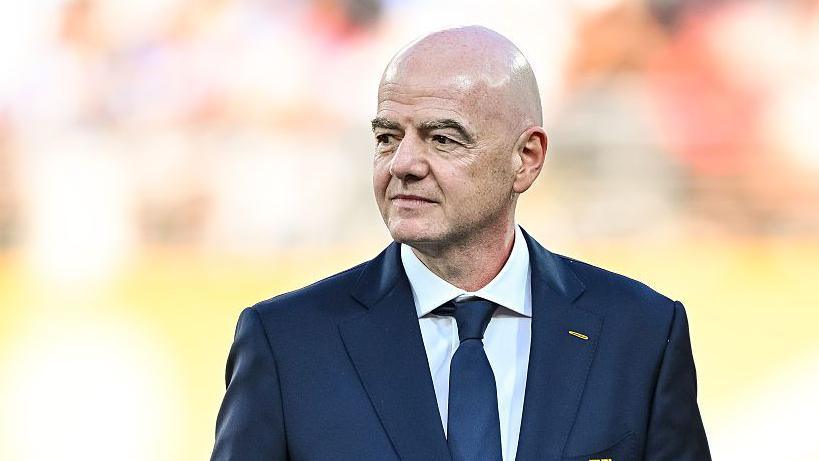
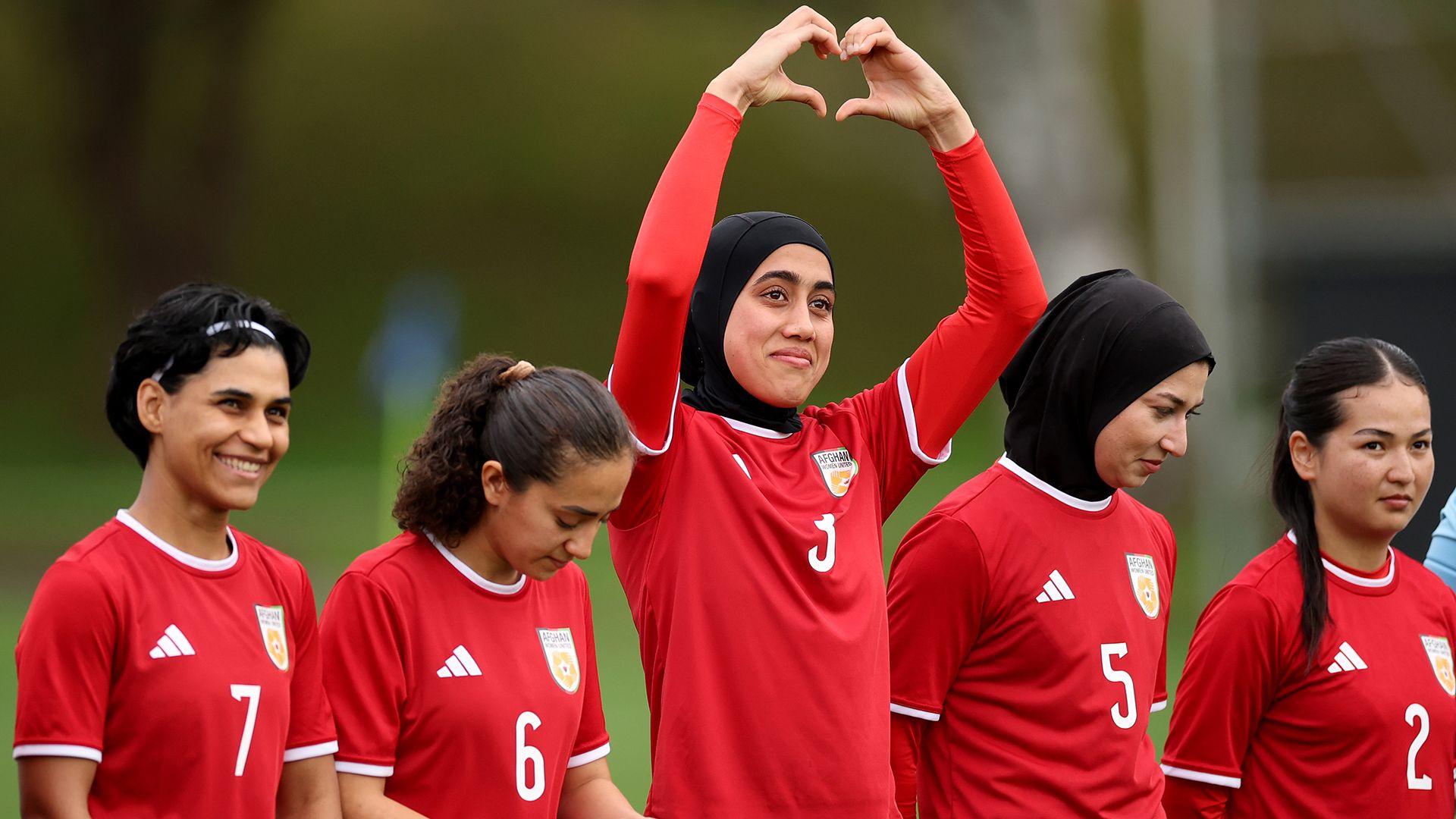
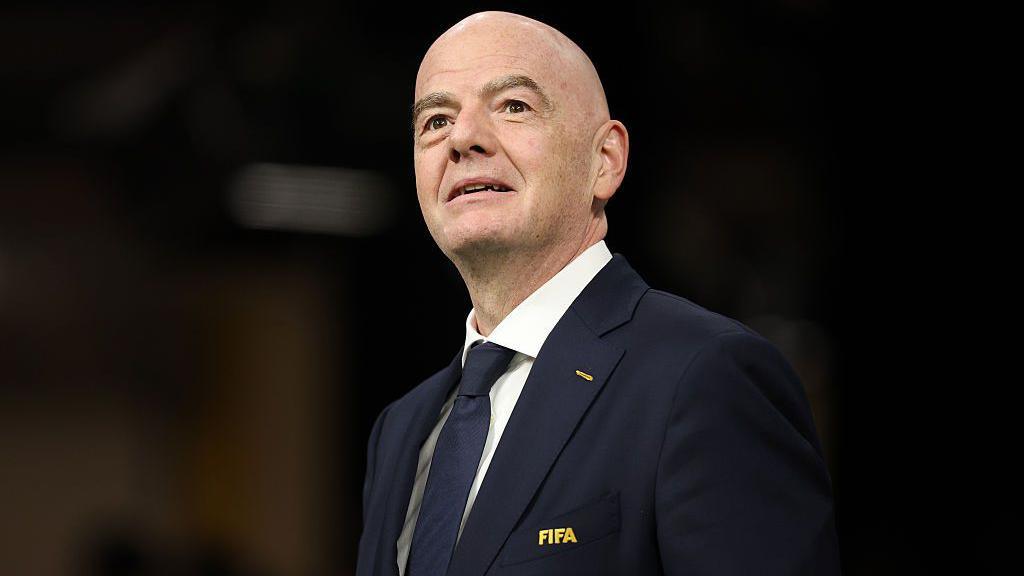
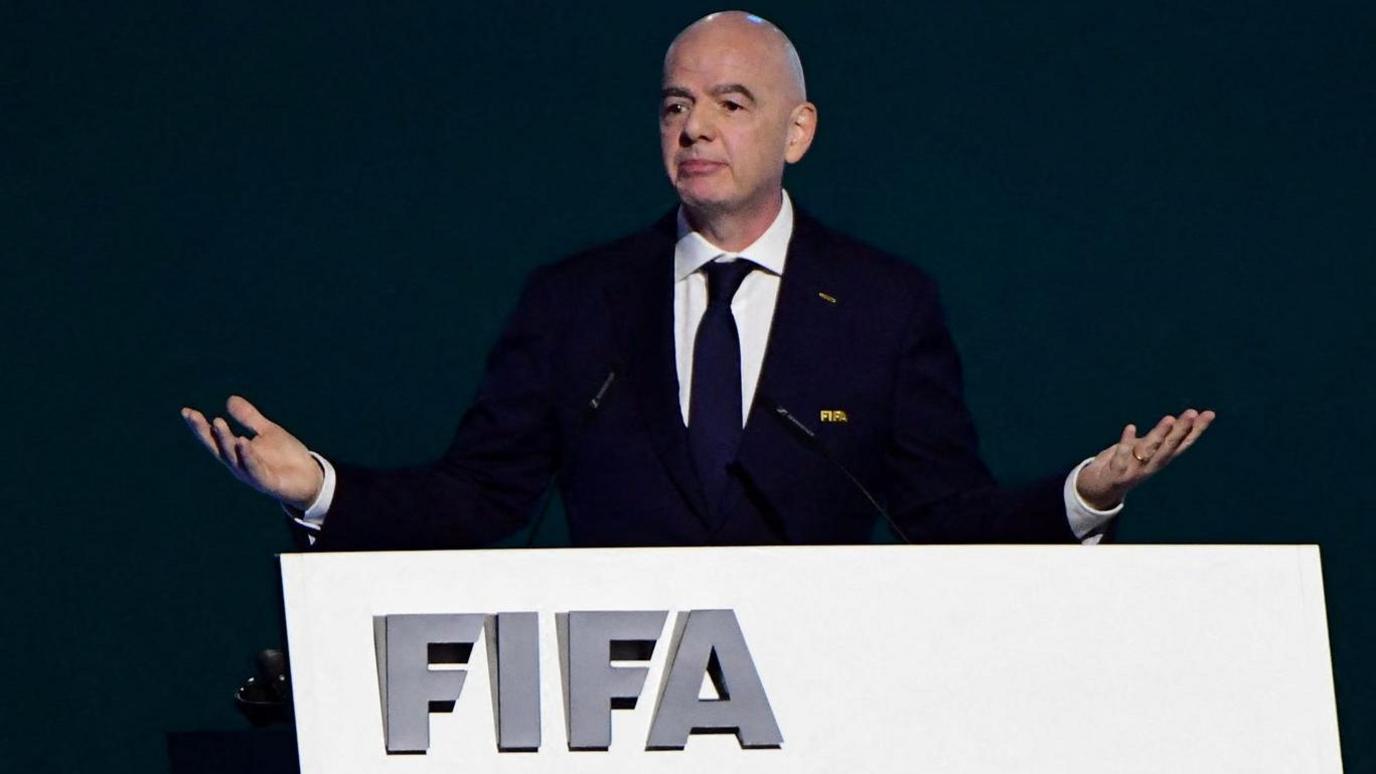
Infantino, the president of FIFA since 2016, framed the initiative as a means to give national federations a stake in football’s commercial upside, offering $40 million to those who vote in favour before 19 September. Critics, however, argue that the plan turns the world’s most‑viewed sporting event into an investment product, and raise questions about the lack of due process and the exclusion of women’s football from the proposals.
UEFA, the governing body for 55 European associations, and CONCACAF, the North‑and‑Central‑American body that hosted the 2026 World Cup, have both warned that they will boycott the tournament unless the plan is scrapped. “The World Cup is not for sale,” UEFA’s statement read, accusing FIFA of “abdicating its duty as the custodian of world football.” CONCACAF added that the proposal’s short deadline and lack of consultation was a “breach of governance.”
Should the plans receive approval, the threat of a boycott could ripple into the 2026 tournament and the 2027 women's U‑20 championship, jeopardising the participation of member nations and the health of upcoming competitions. In a wider discussion, smaller federations—many of them dependent on FIFA’s development budgets—expressed concern that the new scheme could deepen the divide between wealthy and modest associations, potentially reducing the already limited flow of resources to grassroots projects.
With the final decision looming, the football world is split between those who see the move as a pragmatic way to boost the sport’s finances, and those who view it as a dangerous precedent that could erode the integrity and global unity of football.