In brief
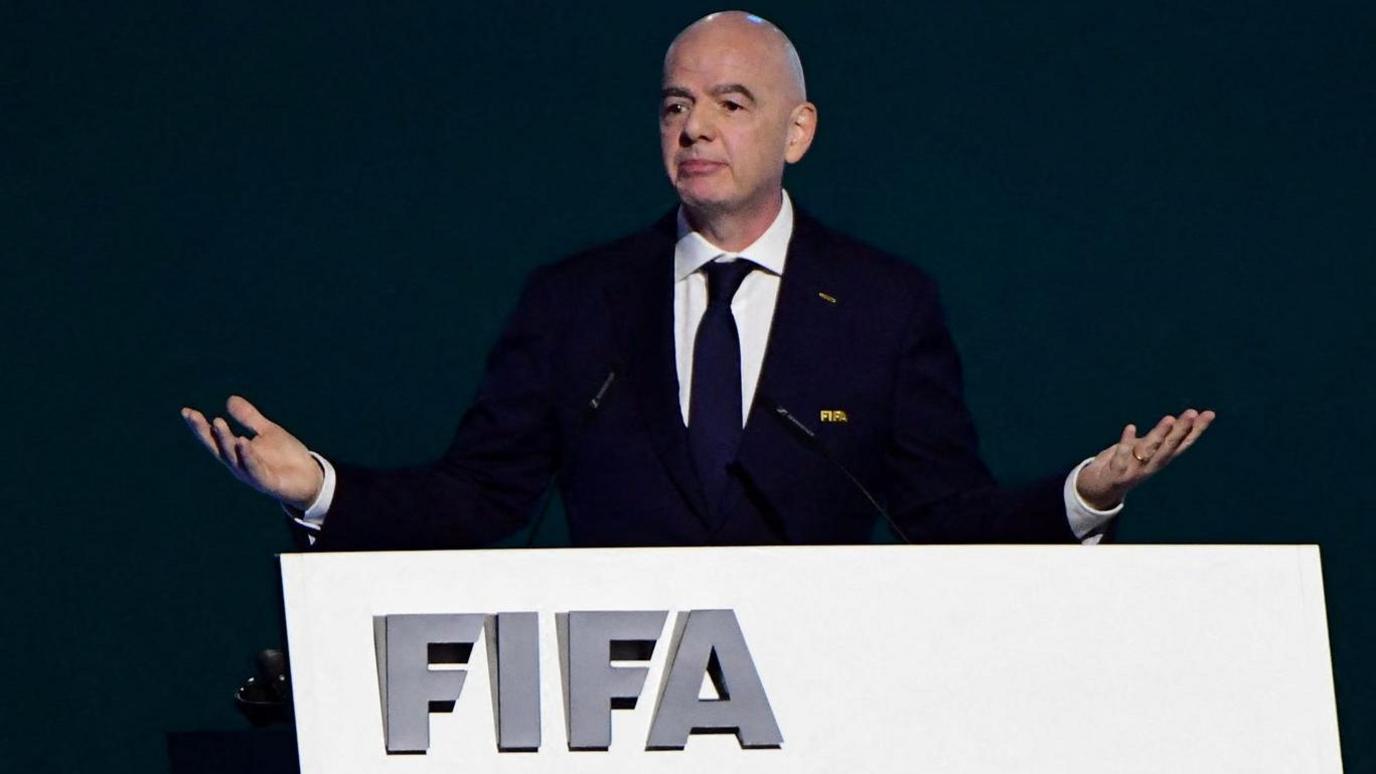
FIFA president Gianni Infantino is under growing pressure from national associations that have begun withdrawing support and threaten "non‑cooperation" if he remains in the post. The dispute centres on Infantino’s plan to create a commercial subsidiary, Fifa Forward Enterprise (FFE), to welcome private investors – a move already criticised by UEFA and Concacaf. Callers for legal action, arbitration and regulatory complaints have been issued, with UEFA demanding preservation of all relevant documents. If Infantino refuses to step down by the September deadline, a global rift could deepen, with Asian football becoming a key battleground for determining the future of FIFA’s governance.
Infantino opponents threaten “non co‑operation” with FIFA unless the 56‑year‑old president steps down, according to senior UEFA sources.
The debate has centred on Infantino’s abandoned plan to set up a commercial subsidiary – Fifa Forward Enterprise (FFE) – that would allow private investors to acquire stakes in FIFA competitions.
Several national associations have now withdrawn their letters of support, piling pressure on Infantino as the continent’s governing bodies figure out the next steps.
UEFA has issued a letter demanding that all documents relating to the investment plan – from emails to instant‑message exchanges – be preserved, and has warned of potential legal action if Infantino refuses to cooperate.
The proposal for a new subsidiary, backed by American venture firm Thrive Eternal, had promised member associations $40‑million if they backed the plan, with a $20‑million signing bonus deadline of 19 September.
Ukrainian President Marta McAllister, UEFA vice‑president, said the legal threat was a “very clear call for action” against what she described as an abysmal governance process leading to the FFE initiative.
Izraa Al‑Mansour of the Southern African Confederation noted that the crisis could push the continent into further turmoil, with the governing body possibly forced to call for a special election.
Infantino’s deputy, Mattias Grafström, was quoted as saying he would “take immediate steps to preserve relevant materials” as stipulated in the UEFA letter.
If the crisis escalates, the next FIFA election – scheduled for 2027 – may not go as planned. UEFA and Concacaf are ready to rally other confederations in Asia to their side, a region that remains a contested battleground.
According to sources, the current vote requirement for Infantino to win a sixth term is 106 of 211 votes.
In an accompanying warning, UEFA’s advisory board stated that an emergency meeting of the FIFA Council could be called if 19 of the 37 council members petition, giving Infantino a short deadline to abide by the document retention demands.
For readers living in football‑heavy regions, this moment is a clear test of the sport’s governance structure, with stakeholders now united in the pursuit of accountability and reform.
• Read more at BBC Sport