In brief
South Korean police have raided the national headquarters of Starbucks over a defamation claim linked to the starbucks ‘Tank Day’ campaign that echoed the 1980 Gwangju Uprising. The promotion, seen as an insult to victims of the military dictatorship, triggered a mass boycott, led to an internal investigation and the sacking of the CEO. The incident also ignited a political firestorm, drawing condemnation from the president and sparking right‑wing rallies that turned Starbucks cups into symbols of dissent.
Police raid Starbucks HQ after 'Tank Day' controversy
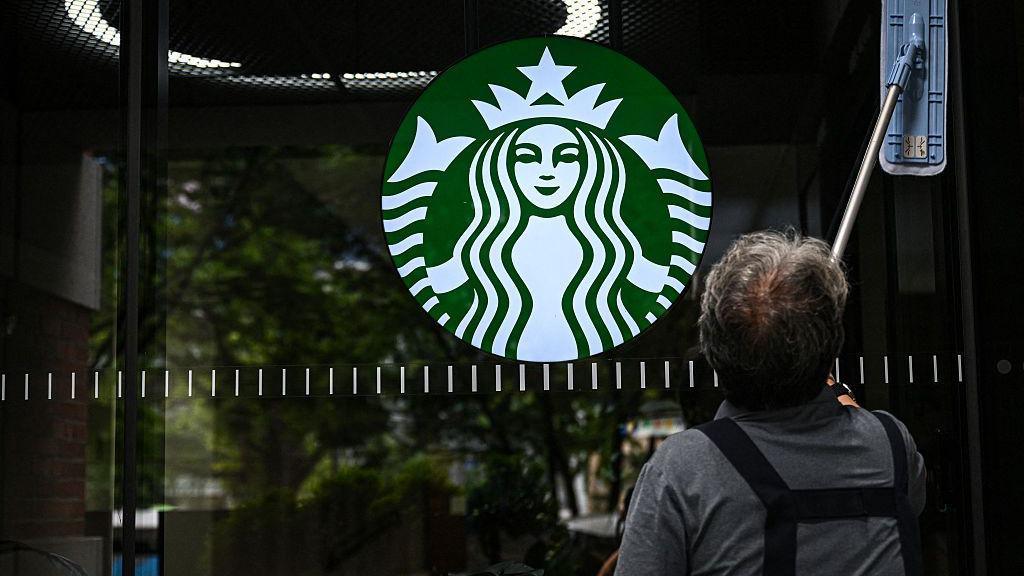
South Korean police raided the national headquarters of Starbucks on June 20, responding to a defamation claim from civic groups over a marketing campaign that many saw as a tribute to the 1980 Gwangju Uprising.
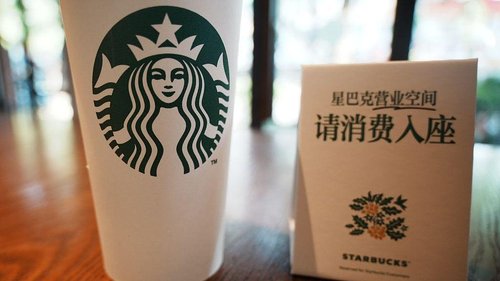
In May, Starbucks Korea launched a promotional tumbler called “Tank Day” to mark the anniversary of the Gwangju uprising, a day when hundreds are believed to have been killed by the military dictatorship of Chun Do‑hwan. The word “tank” was interpreted by many as a reference to armored vehicles used to crush protestors, and the tumbler’s slogan “take on the table!” echoed the sound people heard when tanks rolled over the streets of Gwangju.
The campaign sparked outrage across the country, with many demanding a boycott of Starbucks. The movement was amplified by social media, turning Starbucks cups into a rallying point for right‑wing activists opposed to President Lee Jae‑Myung’s administration.
Starbucks quickly removed the promotion and issued an apology, claiming the reference was unintentional. Shinsegae Group, which operates Starbucks in Korea, convened an internal investigation that concluded the mistake was accidental and that upper management failed to recognize its historical sensitivity. The company also closed all stores for half a day in June to allow staff to attend history lessons.
The fallout was severe: the CEO of Starbucks Korea was dismissed, and the chain’s sales fell sharply in its largest market. Confronted with the scandal during local elections, the government announced a boycott of Starbucks, while opposition leaders used the incident to criticize the administration, holding up a Starbucks cup during a speech and accusing the government of overreach.
Civic groups filed a criminal complaint against Starbucks for defamation, demanding police investigation into the company’s role in insulting victims of the military dictatorship. Meanwhile, the controversy highlighted the lasting trauma of the Gwangju uprising in South Korea and underscored the precarious balance between corporate marketing and national memory.