In brief
Sydney’s Lane Cove suburb is fighting a rising tide of AI data‑centres that promise net‑$80 bn investment but raise urgent questions about power, water and jobs. Residents hear the thrum of servers instead of sleep, while experts warn of a spike in electricity costs and a 25 % pressure on Sydney’s drinking water by 2035. Government plans to boost renewable energy are under scrutiny as local businesses face relocation, and the community’s future hinges on whether the boom delivers tangible value or just digital noise.
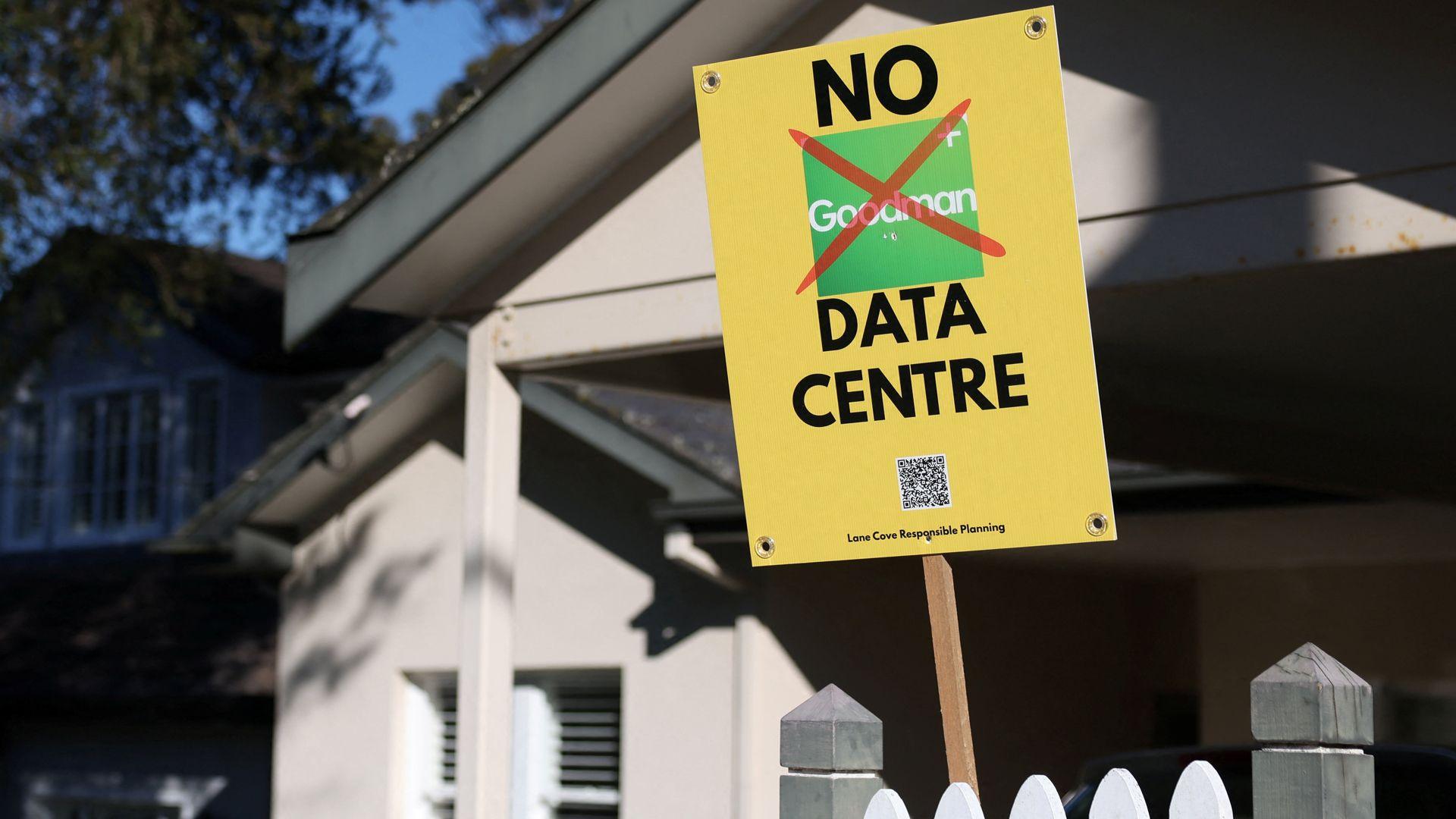
In the leafy Lane Cove suburb of Sydney, a yellow placard reads "No data‑centre" above a house. Yet three servers are humming just 350 m away, and a fourth is under discussion for the industrial park. Residents sound the alarm, not over technology, but over noise, energy, water, and the future of their neighbourhood.
What’s at stake?
Australia is attracting 162 data‑centres already, with 90 more planned and a projected A$155 bn outlay. The biggest – a one‑gigawatt facility in western Sydney – would be the country’s largest single energy user. But the investment comes with two hard questions: can the grid handle more demand, and will the water supply suffice?
The Australian Energy Market Operator predicts a three‑fold rise in data‑centre demand by 2030, while the Climate Council projects a 26 % rise in New South Wales electricity prices by 2035 unless new renewable capacity is added. Critics warn that the speed of growth could trigger new coal and gas plants and force diesel generators onto backup power lines during outages.
Water for a Digital Age
Data‑centres can use up to 40 million litres a day – roughly 80,000 Australian households – to keep servers cool. Sydney’s Water Services Association expects a 5‑ to 10‑year rise in drinking water demand, and the utility predicts that Sydney Water may have to supply up to 25 % of the city’s drinking water to the centres by 2035. Prime Minister Anthony Albanese announced a 2027 law requiring large centres to underwrite power, limit water use, and fund any extra infrastructure, yet the law only applies to new proposals.
Jobs in the Humming Heart
While construction of a new centre can employ over a thousand people, the operational workforce drops to about 100, according to research. Industrial park owners indicate that up to 50 % of current businesses may have to relocate, sending a kill‑joy to workers. Owners say that the talks with Microsoft and Amazon will bring skilled roles to the region, but they remain vague about the actual job types and numbers.
Community Voice & The Future
The Lane Cove Library hosted a town‑hall with Greenpeace Australia Pacific, but locals say they were never consulted before the cluster was announced. A resident, who was relocated for a new centre, noted that the expansion not only lowers the quality of life but also shadows the promise of net‑zero and water‑sustainability. The debate also extends to the purpose of the technology: critics claim that generative AI is used for low‑value tasks, which could merely replicate the energy consumption of a microwave for an hour.
The Australian Energy Market Operator and government sources say that data‑centres will drive further clean energy investment; the NSW Treasurer said private partners would finance renewable generation to avoid more coal or gas plants. Yet environmental groups remain skeptical that the investment truly moves Australia towards a sustainable digital future.
The debate rages on: will a data‑centre boom bring real value to Australians or just demand more electricity, water and a flight from jobs? With Live updates from the Lane Cove Library, we continue to cover how this trend impacts communities across Sydney and the rest of the country.