In brief
One month into the ongoing war in Iran, civilians express their mounting fears and struggles. Faced with economic hardship and nightly bombings, those affected share their experiences of panic, unemployment, and anxiety over an uncertain future. As protests loom over government inaction, the resilience and hopes for change struggle amid violent repression.
Warning: this article contains details which some readers may find distressing.
Until that moment, the war was something happening in other parts of Tehran. It had not touched the lives of Setareh and her colleagues. Suddenly, an ominous noise shook the office as vibrations reached in. She called out, suspecting a nearby bomb.
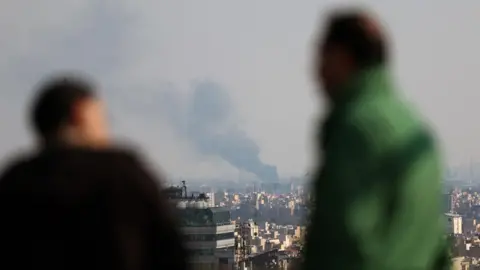
Climbing to the rooftop, they saw smoke rising but had no idea where the strike had landed. The chaos that ensued left her workplace in panic, with fears leading to an abrupt business closure.
Now, nightly bombings have robbed Setareh of her ability to sleep, leaving her reliant on strong painkillers to find rest amidst swirling anxiety over her uncertain future and jobs lost.
As an economic crisis worsens with inflated food prices and dwindling resources, many Iranians share her struggles, exacerbated by years of sanctions and government mismanagement. Protests are anticipated as people grapple with survival.
Tina, a nurse outside Tehran, fears for potential medicine shortages disrupting healthcare, haunted by trauma from bombed hospitals and wartime memories.
The escalating conflict, personal tragedies like the loss of pregnant women caught in strikes, and pervasive societal fear in the face of brutal regime actions loom heavy over their narratives.
As Behnam, a political prisoner survivor states, the loss of life and violence encountered during protests illustrates the severity of their plight. Longing for freedom from their suffering, Iranians remain perilously aware of the consequences of dissent.