In brief
As a ceasefire hangs by a thread, the US and Iran are embroiled in a blockade conflict over the Strait of Hormuz, escalating tensions in a crucial waterway. Reports indicate that Islamabad is facilitating peace talks to defuse the rising hostility, as high-stakes negotiations remain pending.
The current geopolitical landscape in the Strait of Hormuz is fraught with tension as a ceasefire between Iran, the US, and Israel remains in place, courtesy of a post by US President Donald Trump.
The conflict, rather than heating into direct military engagement, has transformed into a 'war of blockades' where both nations have resorted to intercepting and seizing commercial vessels to assert dominance in this strategic corridor.
The atmosphere in this critically significant waterway remains volatile, creating a precarious situation where further escalation seems imminent.
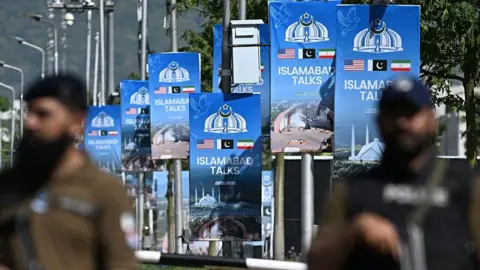
Meanwhile, Islamabad is on high alert, awaiting the arrival of Iranian and American representatives for peace negotiations. Certain areas of the city continue to be sealed off as preparatory measures are taken, even as anticipation begins to wane.
Hopeful of bringing about a diplomatic resolution, Prime Minister Shehbaz Sharif remains steadfast in his commitment to facilitating dialogue, despite a shift in optimism surrounding the potential outcomes of these negotiations.
While Trump assures that a deal could still materialize soon, skepticism lingers given the complex dynamics at play, particularly with Iran's internal strife and its response to US threats.
Overall, as skepticism grows among diplomats, the quest for peace remains pivotal for Pakistan's international standing amid mounting pressures from both Washington and Tehran.