In brief
The UK Biobank's general overseer, Professor Sir Rory Collins, has commented on the recent incident where sensitive medical data belonging to 500,000 participants was discovered listed for sale on a Chinese website. Collins described the breaches as the work of 'a few bad apples' and mentioned the immediate actions taken to remove the listings. As a result, the biobank has halted access to its data platform to implement stricter controls, ensuring adherence to privacy while maintaining scientific research capabilities. The incident has sparked scrutiny over how sensitive data was accessed and the ongoing efforts to safeguard volunteer information.
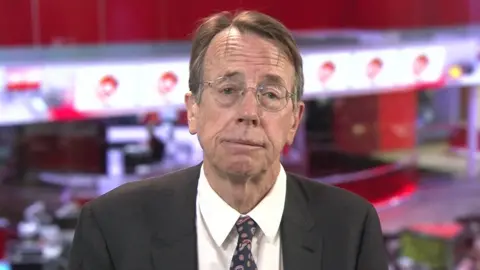
The boss of UK Biobank, Professor Sir Rory Collins, has stated that a 'few bad apples' were responsible for the breach involving the unauthorized sale of medical data belonging to 500,000 participants on a website based in China. The data, which included de-identified information, was discovered amidst listings on a marketplace and was swiftly taken down before any transactions could occur.
Sir Rory expressed his anger and disappointment over the incident during an interview, confirming that the institutions responsible are now prohibited from accessing the Biobank's platform. The organization is taking significant precautions to safeguard against similar occurrences in the future, including halting access to its online research platform while additional security measures are put in place.
Over the years, the UK Biobank has accumulated extensive health data that has been instrumental in enhancing the detection and treatment of various conditions, such as dementia and several types of cancers. Access to the data is typically restricted to qualified researchers at accredited institutions, enabling them to utilize the de-identified medical information for their research projects.
Professor Collins elaborated on the events, noting the unusual behavior of those who mishandled the data. By coordinating efforts with both the UK and Chinese governments, the Biobank was successful in removing the problematic listings without any data being compromised.
Concerns surrounding identification risks were addressed by technology minister Ian Murray, who clarified that the leaked data did not include personal identifiers such as names or contact information, although it could contain details related to age, gender, and socio-economic status.
In light of the breach, the UK Biobank has referred itself to the Information Commissioner's Office, which is now investigating the incident. According to legal experts, the focus will be to confirm whether the data was entirely de-identified according to UK law, a crucial aspect considering the sensitivity of medical information.
Additionally, a thorough and detailed investigation led by the board will be conducted to ensure that all necessary measures are implemented, and Professor Collins emphasized the importance of balancing data availability for crucial research with rigorous data protection protocols.