In brief
As the war in Iran continues, economic repercussions are being felt worldwide. While oil-producing nations like Norway, Canada, and even Russia stand to gain from rising energy prices, countries like the US and members of the EU are bracing for financial challenges due to their dependence on oil imports. A complex landscape of winners and losers is emerging as the geopolitical conflict unfolds.
The ongoing war in Iran is reshaping global economies, revealing stark disparities between winners and losers across various nations. From soaring heating oil bills in the UK to educational institutions shuttering in Pakistan, the economic consequences of conflict are becoming increasingly apparent.
Interestingly, Tehran's attempts to disrupt the market have instigated financial shifts that may not be as temporary as expected. The effects are unevenly distributed, impacting some nations significantly while others appear poised to benefit.
Winners: Norway, Canada, and Russia
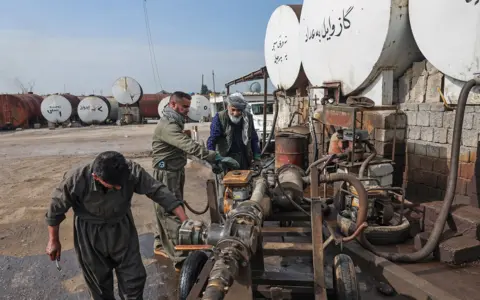
The reliance on oil and gas persists despite efforts to embrace renewable energy, positioning crude oil as 'black gold'. Countries with plentiful reserves, such as Norway and Canada, are already reaping the benefits.
Despite fluctuations in global energy consumption, the heart of oil supply remains in the Middle East, with the Strait of Hormuz acting as its main artery. With the region facing blockades and attacks, Gulf producers are struggling under Tehran's offensive, prompting global consumers to seek alternatives. Norway and Canada become key players in this dynamic.
Russia also emerges as a pivotal beneficiary of ongoing tensions, notably increasing crude oil exports to India amid relaxed regulations aimed at addressing global supply challenges.
Losers: US, UK, and Europe
In direct contrast, the American and European markets face ramifications stemming from the geopolitical climate. Although American oil producers might profit from increased prices, they remain vulnerable to disruptions, particularly given the US's consumer base reliance on oil.
The fallout extends to the UK and Europe as heavy dependence on imported gas escalates inflation risks and could trigger economic contractions. These market conditions position both regions at a precarious intersection of opportunity and jeopardy.
As the repercussions further unfold, it is imperative to observe the evolving landscape of international relations and economic stability in an increasingly tumultuous world.