Examining US-Israel Dynamics on Iran Amid Gas Field Attacks
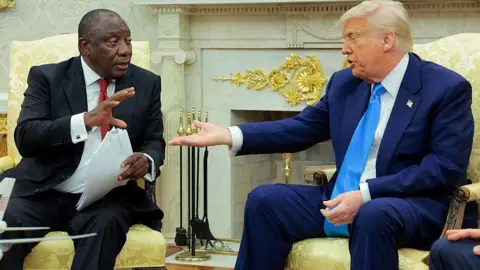
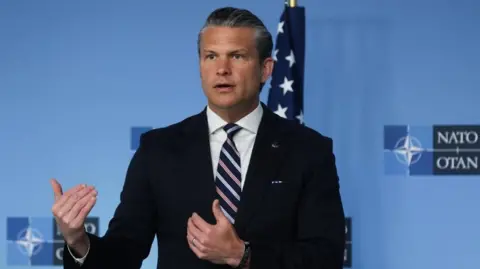
In a strongly worded statement issued following attacks on a major gas field shared by Iran and Qatar, President Trump navigates the complexities of US-Israel relations amidst heightened tensions.
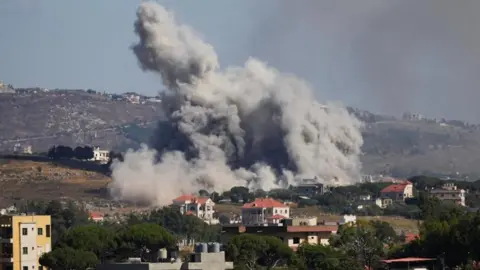
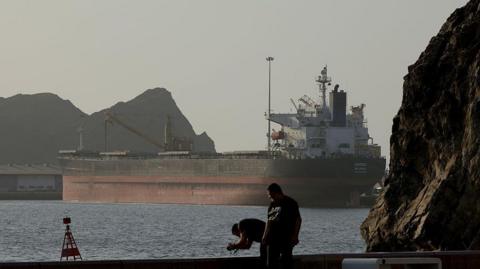
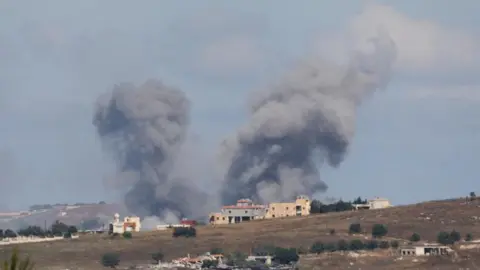
On Wednesday, Israel struck Iran's South Pars, one of the largest natural gas fields globally, provoking retaliatory measures from Tehran, which targeted energy infrastructure in Qatar. This exchange of attacks has caused a spike in energy prices and drawn Trump's ire.
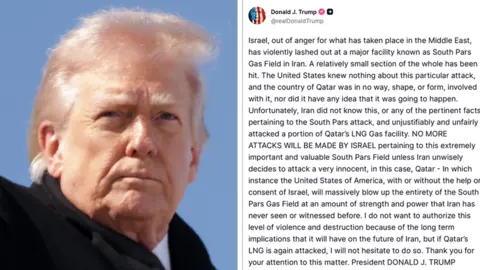
Trump took to his Truth Social media platform, claiming ignorance of Israel's attack plans while once again threatening Iran with severe consequences. His remarks raise crucial questions about the alignment of war goals between the US and Israel.
What Trump's Language Reveals
The much-cited claim that the US “knew nothing about this particular attack” stands at odds with reports from Israeli media suggesting coordination between Washington and Jerusalem. This inconsistency casts doubt on Trump's narrative.
Trump's description of the Israeli response as motivated by “anger” rather than a calculated military operation signals potential discontent with Israel's decisions. He explicitly stated that Israel would undertake no further attacks on the South Pars gas field unless provoked by Iran, suggesting a limit to their military strategy.
Shifting Objectives in War Strategy
The language employed by Trump conveys an underlying tension and possible divergence in US-Israel strategy concerning Iran. Israeli officials regularly assert a unified front, yet there are indications that while both nations may agree on many facets of Iran’s threat, Israel holds a firmer stance on regime change.
As Trump navigates these tricky diplomatic waters, the capacity for US military action remains vast compared to Israel’s recent initiatives focused on undermining Iranian leadership. Statements following the gas field attack paint a picture of differing priorities: the US appears keen on maintaining a degree of restraint to avoid prolonged conflict, while Israel may be advocating for more aggressive measures.
Consequences of Escalating Tensions
Trump expressed that if Iran struck again, the US would respond with tremendous force against the South Pars, marking a perilous escalation in rhetoric. This lays bare the stakes of the conflict and highlights a deteriorating situation without clear paths to resolution.
As both nations attempt to strategize against Iran's military capabilities, nuances in their interactions expose potential risks, with soaring oil and gas prices causing additional pressures domestically in the US. The ongoing developments may profoundly impact both nations politically and economically, as they reckon with the ramifications of their actions and public sentiment towards the conflict.