In brief
In the wake of a deadly crackdown on protesters in Iran, Iranian Americans are reimagining their Nowruz celebrations this year. While traditional festivities are muted, many have opted for vigils and smaller gatherings, emphasizing community support and defiance against oppression. From Los Angeles to New York, celebrations mix somber remembrance with calls for hope and justice, showcasing the resilience of cultural identity even in difficult times.
LOS ANGELES (PulseWire) — After thousands of Iranian demonstrators were killed in a January crackdown, Shima Razavi Gacek wanted to preserve her family's beloved Nowruz traditions but felt uneasy about hosting the usual celebratory party. Instead, the Los Angeles resident organized a vigil at a local park, displaying the photos of deceased protesters while Iranian Americans lit candles and participated in a fire-jumping ritual known as Chaharshanbe Suri.
“It is such a beautiful and joyous time of year,” Razavi Gacek reflected. “This year, it feels different, but we need our community more than ever.”
This year's Nowruz, which means new day in Farsi, is marked by a blend of somber observances and traditional festivities across various Iranian American communities. Many celebrations have been canceled altogether following Iran's violent response to dissent earlier this year, and others have adapted to honor the victims.
Numerous issues loom over this year's celebrations, particularly those related to recent military conflict. Just weeks prior to Nowruz, U.S. and Israeli forces attacked Iran, resulting in the death of Supreme Leader Ayatollah Ali Khamenei, further escalating tensions within the region.
In various cities, Iranian Americans have adjusted traditional celebrations, emphasizing themes of solidarity and remembrance. In places like New York, elderly women from the Iranian American community canceled their event. “People are not in the mood to celebrate the New Year,” said Marjan Khalili of Long Island Ladies Association, expressing shared sentiments felt across communities.
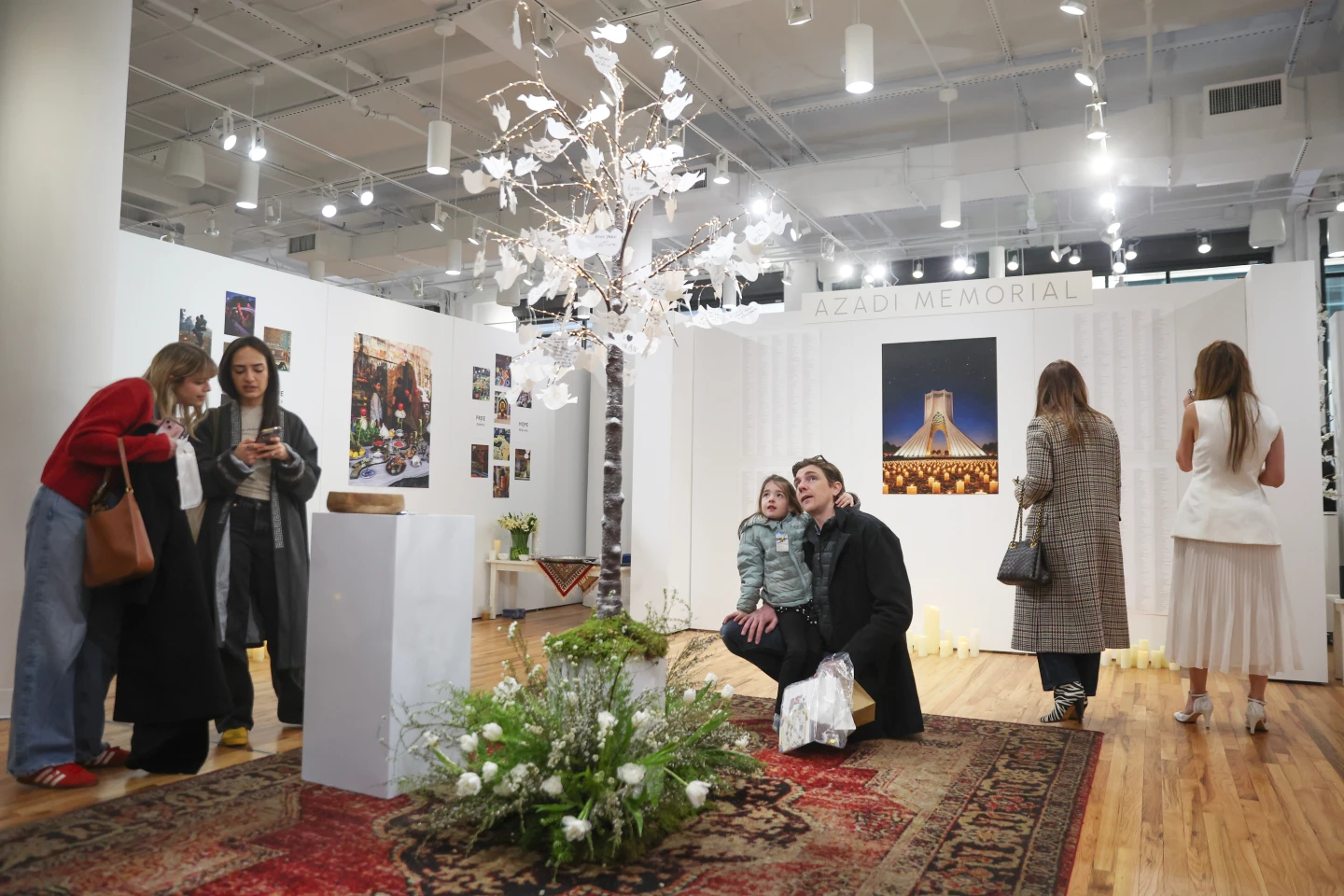
In a display of resilience, some gatherings have transformed into expressions of cultural identity, intertwining festivities with calls for justice. As noted by Hedi Yousefi, who organized a bazaar in Manhattan, “They want us quiet... but we have to keep our culture alive.”
Even smaller-scale gatherings echo this sentiment. At a park in Los Angeles, participants honored Iranian demonstrators alongside a communal dinner featuring traditional elements, acknowledging roots and collective grief. Amidst the sorrow, attendees like Mojan Gabbay found motivation to keep traditions alive for the sake of their children, illuminating a path of cultural continuity even amid turmoil.