In brief
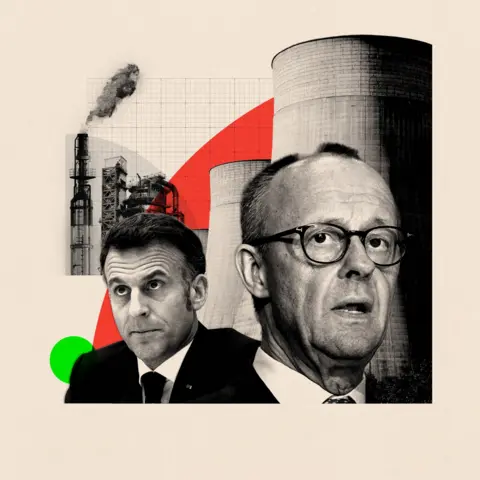
Europe is once again on the brink of an energy crisis, exacerbated by geopolitical tensions in the Middle East and lingering effects from its reliance on Russian energy sources. During an imminent EU summit, leaders are confronted with public outrage over rising energy costs, leading to debates over how to secure energy independence and navigate volatile markets without repeating past mistakes.
The knock-on effects of the conflict now whipping through the Middle East are awakening ghosts of crises past that shook the European Union. Seven months into Russia's full-scale invasion of Ukraine, the President of the European Commission stood at her podium in the European Parliament and accused Russia of manipulating the EU's energy market.
They prefer to flare the gas than to deliver it, proclaimed Ursula von der Leyen, as spiraling energy prices hit consumers across the continent. This market is not functioning anymore. She insisted that Europe was already pivoting away from Russian gas and toward more dependable partners such as the US and Norway.
But fast forward four years and you find deep energy-linked frustration in the heart of Europe once again. We swore we'd learn. We promised things would change but here we are, a highly frustrated European diplomat told me. He asked for anonymity so as to be able to speak openly.
The focus of his teeth grinding was Europe's growing energy shock, triggered by the burning conflict in the Middle East and threatening to dominate a summit of European leaders in Brussels. Instead of concentrating on much-needed long-term plans about how to make Europe more competitive, prime ministers and presidents are now in a panic over rising energy prices, worried about angry voters and scrambling for short-term solutions.
The EU has made strides towards energy independence since the onset of the Ukraine war, cutting approximately 55% of its gas imports from Russia. However, heavy reliance now lies on US and Norwegian energy, leaving Europe vulnerable to price volatility as seen recently with the Iran crisis. As leaders prepare for a critical summit to address skyrocketing energy prices and inflation, there is a sense of urgency among public leaders to alleviate pressures on their citizens and boost their economies.
However, a growing number of politicians in Europe, including Belgium's Prime Minister Bart De Wever, have begun calling for a normalization of relations with Russia to regain access to cheaper energy. The divide on how to respond to the current crisis highlights the ongoing dilemma in European energy policy, resuscitating debates about climate strategy and energy security.
The EU's approach will require balancing immediate economic relief with long-term sustainability goals while increasing intra-European cooperation. The question remains whether European leaders will act decisively amidst this critical juncture. With many fearing a repeat of past mistakes, the urgency for innovative energy strategies has never been greater.