
In brief
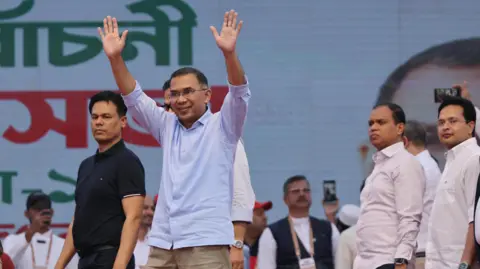
Bangladesh's political scene witnesses a significant transformation as Tarique Rahman, leader of the Bangladesh Nationalist Party, is poised to take over the premiership following a landslide election victory. This election marks a departure from Sheikh Hasina's long-standing rule, promising a possible shift in governance amid rising public expectations for democracy and economic stability. The youth, emboldened by the recent uprising, are demanding accountability and effective governance from the new administration, amidst concerns over past experiences with both major parties.
An Historic Election
Just over two years ago, when Sheikh Hasina won an election widely condemned as rigged in her favour, it seemed unimaginable that her lengthy rule would abruptly end. Yet, the Bangladesh Nationalist Party (BNP), which had been virtually written off, made a comeback in this election, surprising many.
This election not only breaks the ongoing cycle of political power between Hasina's Awami League and the BNP but also sees Tarique Rahman formally leading the party for the first time.
The Path of the BNP
Tarique's rise follows a remarkable family legacy, with his mother Khaleda Zia having led the BNP for four decades. Despite returning from a 17-year self-imposed exile just days before the election after her passing, Tarique has garnered a mixed reputation, having been accused of corruption and nepotism.
Public Expectations
Political scientists suggest that his lack of experience may be mitigated by public desire for change, instilling a sense of hope for many citizens yearning for improvements in governance. People want to think that new, positive changes are possible, says political scientist Navine Murshid.
Challenges Ahead
With promises to restore democracy and revive Bangladesh's deteriorating democratic institutions made by the new government, locals express skepticism based on past experiences. Young voters from the July uprising of 2024, who played a key role in ousting Hasina, are now keeping a watchful eye on Rahman’s administration and emphasizing the need for governmental accountability.
The newly elected government faces enormous challenges including addressing rampant violence, reviving a struggling economy, and ensuring food security. Sociologist Samina Luthfa pointed out that the lack of government experience across all parties adds to the uphill battle ahead.
Reflecting on the Past
Despite currently being out of power, the Awami League’s political history casts a long shadow over the recent elections. As their credibility wanes amidst allegations of past atrocities, the party's return to the political fold remains uncertain, paving the way for a complex political future where the BNP now leads amidst public scrutiny and high expectations.
