In brief
Hong Kong media tycoon Jimmy Lai, known for his pro-democracy stance, has received a 20-year prison sentence for colluding with foreign forces, marking a significant escalation in the city's crackdown on dissent. Critics have condemned the verdict as a blow to press freedom and justice, while authorities defend it as necessary for stability.
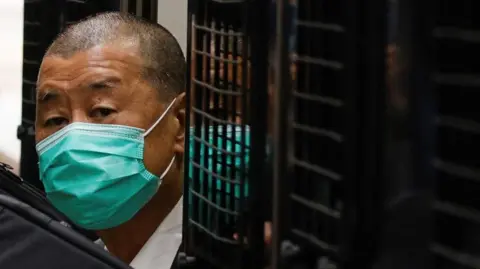
Jimmy Lai, a leading figure in Hong Kong's pro-democracy movement, has been sentenced to 20 years in prison for colluding with foreign forces under the city's contentious national security law. The 78-year-old media tycoon, who has been a vocal critic of the Chinese government, was convicted in a case that rights groups have called a 'death sentence'.Lai's family has expressed concerns about his health while Hong Kong's Chief Executive hailed the sentence as 'deeply gratifying'. This ruling represents the harshest penalty yet under the national security law, implemented in response to the massive protests calling for greater freedom back in 2019. Lai's influence as the owner of the pro-democracy newspaper Apple Daily made him a central target for authorities aiming to quash dissent.During the sentencing, the court emphasized his 'serious and grave criminal conduct' as part of an alleged conspiracy that threatened the stability of the city. Lai, a British citizen, smiled at supporters while acknowledging the court's decision. His imprisonment has been viewed as part of a broader strategy by the Chinese government to silence independent journalism and suppress free speech.The sentencing has drawn condemnation from various human rights organizations, which describe it as draconian. As Lai continues to serve his sentence, calls for international pressure to secure his release are growing, with advocates describing the verdict as a catastrophic blow to freedom of the press in Hong Kong.