In brief
California has officially banned most law enforcement officers from wearing masks while on duty, responding to public concerns about transparency following controversial federal raids. The legislation was signed by Governor Gavin Newsom amidst demonstrations against the use of face coverings by immigration agents during operations. Several exemptions are in place, including for undercover agents. The efficacy and enforcement of this law regarding federal officers remains uncertain, as federal agencies express strong opposition.
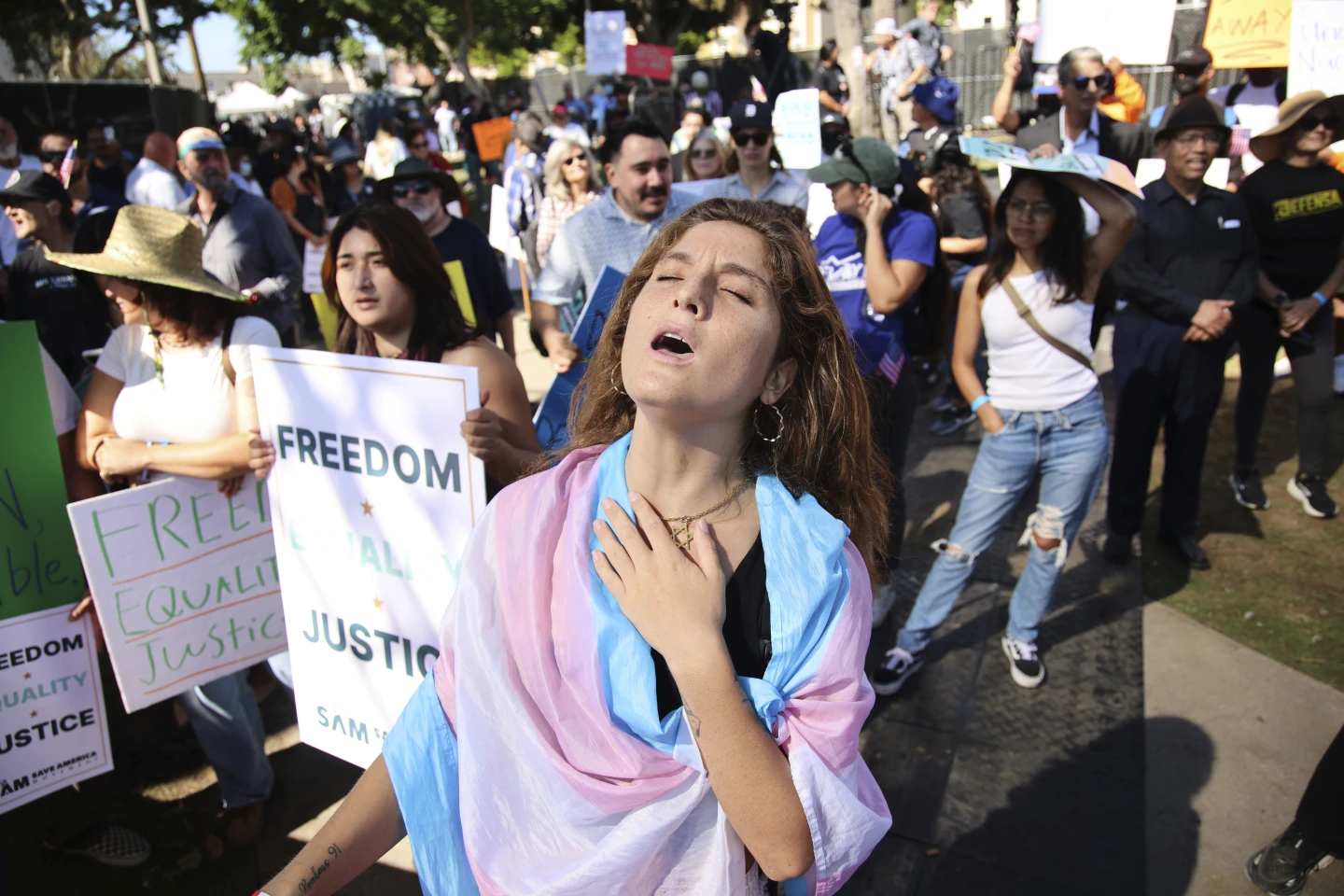
SACRAMENTO, Calif. — California has taken a significant step by becoming the first state to prohibit most law enforcement officers, including federal immigration agents, from wearing masks during official activities. Governor Gavin Newsom signed the bill on Saturday in response to recent protests following immigration raids in Los Angeles where federal agents were masked during arrests.
The law aims to boost public trust in law enforcement, countering the growing visibility of masked immigration enforcement, which has heightened concerns of accountability. Importantly, the legislation exempts undercover officers and allows medical masks, such as N95 respirators, while also not applying to state police.
Governor Newsom emphasized that this measure is crucial to push back against what he describes as federal overreach. He was accompanied by lawmakers and community members from immigrant backgrounds during the signing.
As it stands, how the enforcement of this ban will apply to federal agents remains unclear. A spokesperson from the Department of Homeland Security labeled the ban as “despicable,” furtively warning that it could endanger officers while carrying out their duties.
This legislation comes amidst increased tension between state and federal authorities regarding immigration control and public safety. The Biden administration has taken action against states that do not comply with federal requests regarding immigration enforcement.
California legislators are actively working to safeguard their progressive values, marking this ban as part of several measures in response to Trump’s immigration policies, including laws aimed at restricting the access of immigration agents to schools and healthcare facilities.
As the state strives for a balance between security and community trust, this new law may set a precedent for other states reassessing their approaches to law enforcement transparency.