In brief
The Trump administration's move to enforce stricter compliance among commercial driving schools flags nearly half as noncompliant, sparking concerns over potential impacts on the trucking industry, particularly regarding immigrant drivers. Experts predict minimal disruption since many flagged schools were already inactive. However, scrutiny surrounding immigrant truck drivers has intensified, especially after a recent tragic incident. The result is a climate of fear within the immigrant driving community, potentially leading to a shortage of qualified drivers. Simultaneously, established driving schools welcome the crackdown, advocating that it will enhance the safety standards within the industry.
The Trump administration’s recent move to enforce stricter standards for commercial truck drivers, by flagging nearly half of the driving schools as noncompliant may not disrupt the trucking industry significantly, according to experts. However, the increased scrutiny on immigrant drivers, who make up approximately 20% of all truckers, poses challenges.
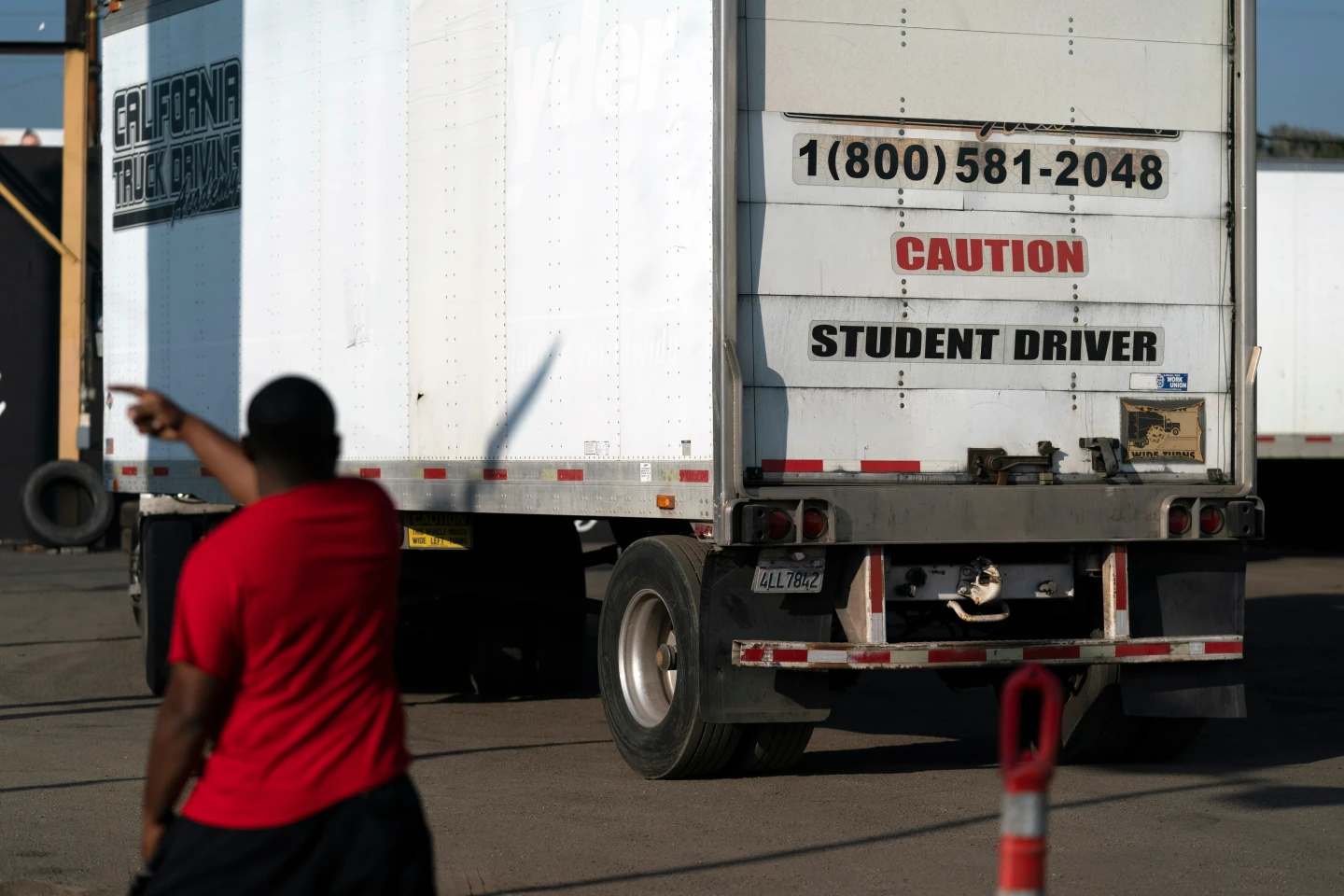
While many of the more reputable driving schools were excluded from the list and many flagged schools were already inactive, the self-certification process introduced in 2022 had allowed questionable institutions to gain recognition. Thus, the transition to enforce training standards—particularly for immigrant drivers—will be gradual, aligning with license renewals and the graduation of new drivers.
The shake-out occurs during a period of diminished shipping activity, with a reported 10% drop since 2022, further complicating the search for well-qualified truck drivers amidst a wider labor shortage. Still, some sectors advocate for the enforcement, viewing it as a pivotal move for ensuring safer operational standards in the trucking industry.
In the wake of a crash allegedly caused by an unauthorized immigrant truck driver, Transportation Secretary Sean Duffy declared new English proficiency requirements for commercial drivers as part of heightened attention on the licensing of immigrant workers. Following Duffy's announcement of possible decertification for up to 7,500 trucking programs, there are renewed fears that legitimate immigrant drivers feel threatened or intimidated, prompting some to quit their profession altogether.
Concerns for Immigrant Drivers
Dave Atwal, a trucking company owner, mentioned many of his immigrant drivers at Diamond Transportation have expressed fears of harassment in particular states. He reported losing over 40 drivers either through resignation or inability to renew licenses, despite their clean driving records. Immigrant drivers are also worried about potential biases against them, exacerbated by events like recent traffic incidents involving unauthorized drivers.
As the administration emphasizes new standards, industry advocates argue that a decrease in the number of schools could result in prolonged waitlists at the compliant institutions left standing. Some trucking professionals are worried this could throttle the influx of new, diverse drivers into the industry at a critical juncture in the sector's recovery.