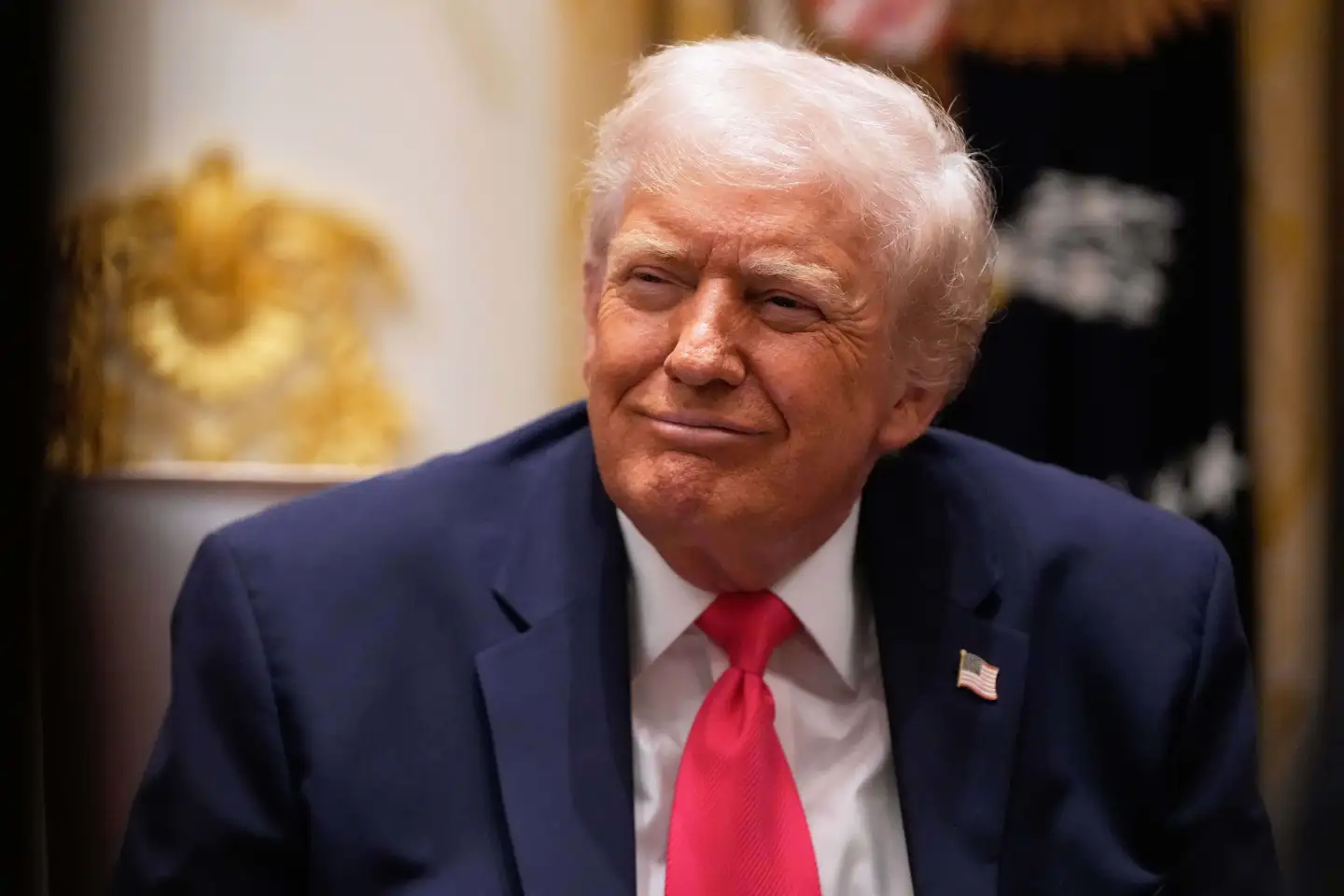
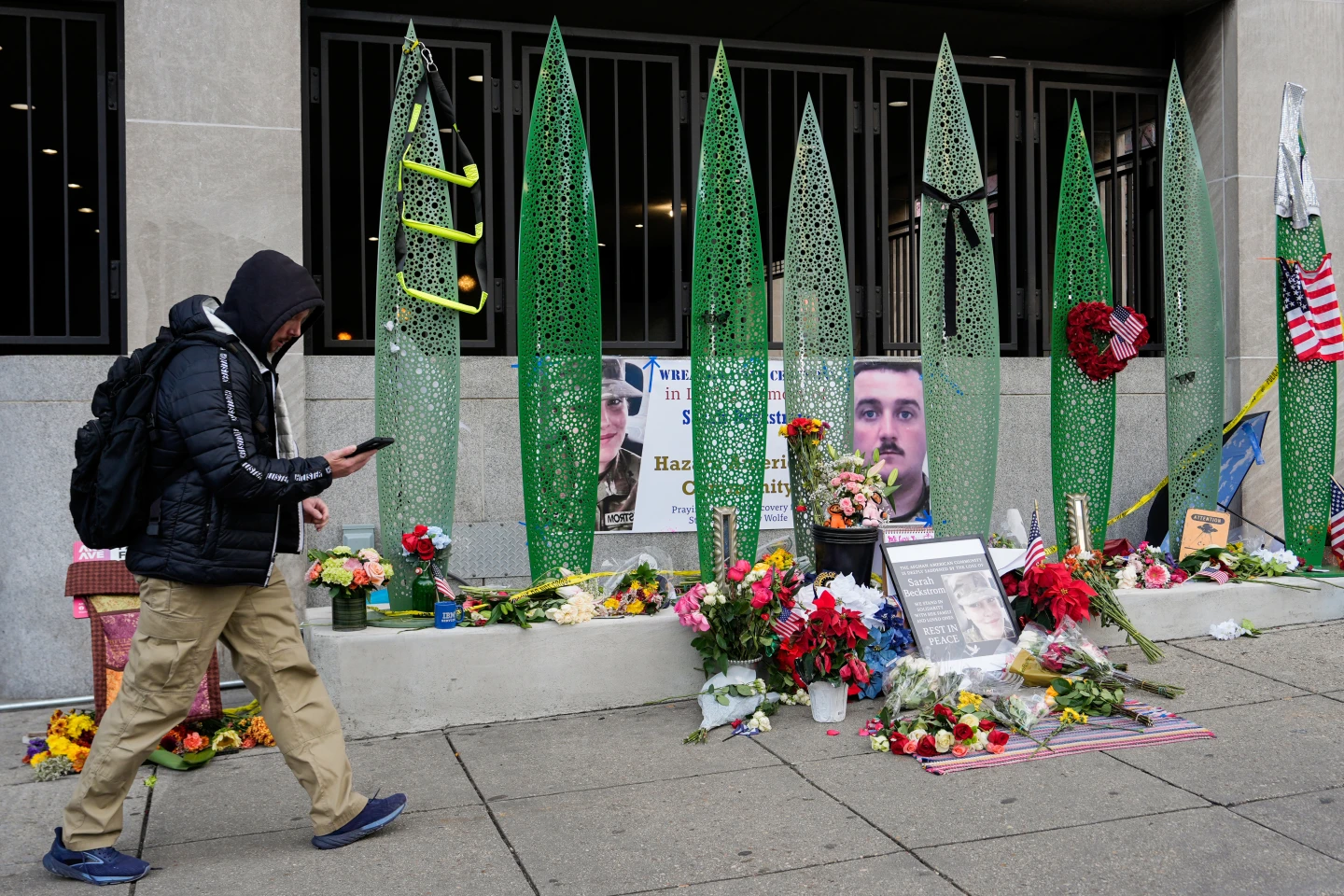
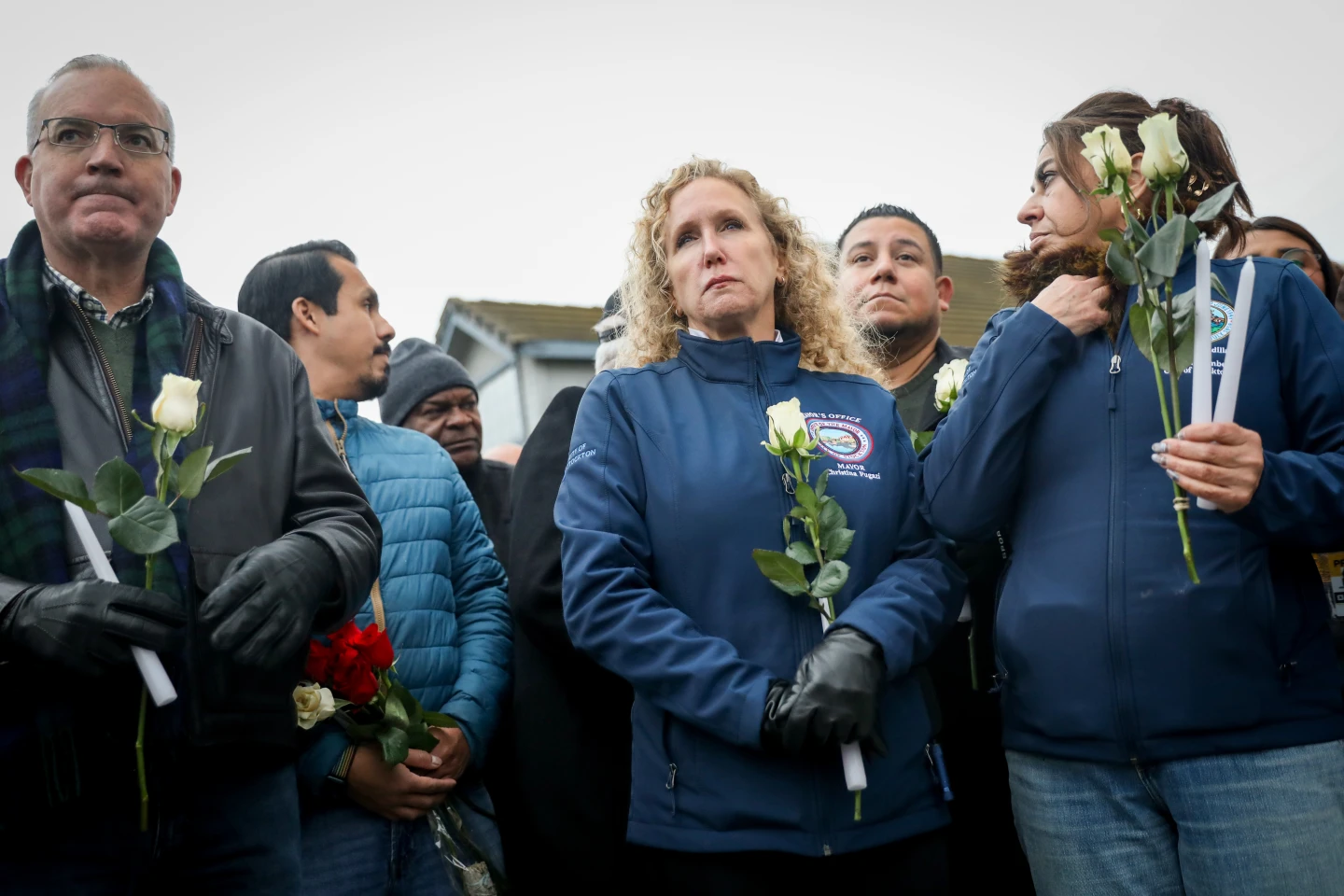
The Trump administration has halted all asylum decisions following the shooting of two National Guard soldiers in Washington, D.C., the US Citizenship and Immigration Services (USCIS) director has stated. Joseph Edlow emphasized that the pause would remain in effect 'until we can ensure that every alien is vetted and screened to the maximum degree possible.' This measure comes shortly after President Donald Trump announced plans to 'permanently pause migration' from all 'third world countries.' The shooting incident, which left one soldier dead and another in critical condition, has been attributed to an Afghan national.
In the aftermath of the shooting, the administration's initial restrictions specifically targeted Afghans seeking to enter the US, but the scope of these decisions expanded significantly. The USCIS, a branch of the Department of Homeland Security, was instructed to refrain from approving, denying, or closing asylum applications from all nationalities.
Despite the suspension, officers can continue working on asylum cases but cannot finalize decisions. Meanwhile, the details surrounding these directives remain sparse, leading to speculation and concern among immigrant advocacy groups.
Trump's recent stance represents a further hardening of his administration's approach to immigration during his second term, echoing past efforts to cut down on refugee admissions and impose stringent measures against unauthorized immigrants. The president's remarks have been met with criticism from various quarters, including international human rights organizations.
The suspect in the D.C. shooting, identified as Rahmanullah Lakanwal, entered the US in 2021 under a special program for Afghans who collaborated with US forces. Reports suggest that he was previously vetted through US intelligence processes. However, his actions have reignited fears about the vetting process and the implications for thousands of vulnerable individuals seeking refuge in America. Amidst these developments, the UN has called on the United States to uphold its commitments to asylum seekers.
In the aftermath of the shooting, the administration's initial restrictions specifically targeted Afghans seeking to enter the US, but the scope of these decisions expanded significantly. The USCIS, a branch of the Department of Homeland Security, was instructed to refrain from approving, denying, or closing asylum applications from all nationalities.
Despite the suspension, officers can continue working on asylum cases but cannot finalize decisions. Meanwhile, the details surrounding these directives remain sparse, leading to speculation and concern among immigrant advocacy groups.
Trump's recent stance represents a further hardening of his administration's approach to immigration during his second term, echoing past efforts to cut down on refugee admissions and impose stringent measures against unauthorized immigrants. The president's remarks have been met with criticism from various quarters, including international human rights organizations.
The suspect in the D.C. shooting, identified as Rahmanullah Lakanwal, entered the US in 2021 under a special program for Afghans who collaborated with US forces. Reports suggest that he was previously vetted through US intelligence processes. However, his actions have reignited fears about the vetting process and the implications for thousands of vulnerable individuals seeking refuge in America. Amidst these developments, the UN has called on the United States to uphold its commitments to asylum seekers.