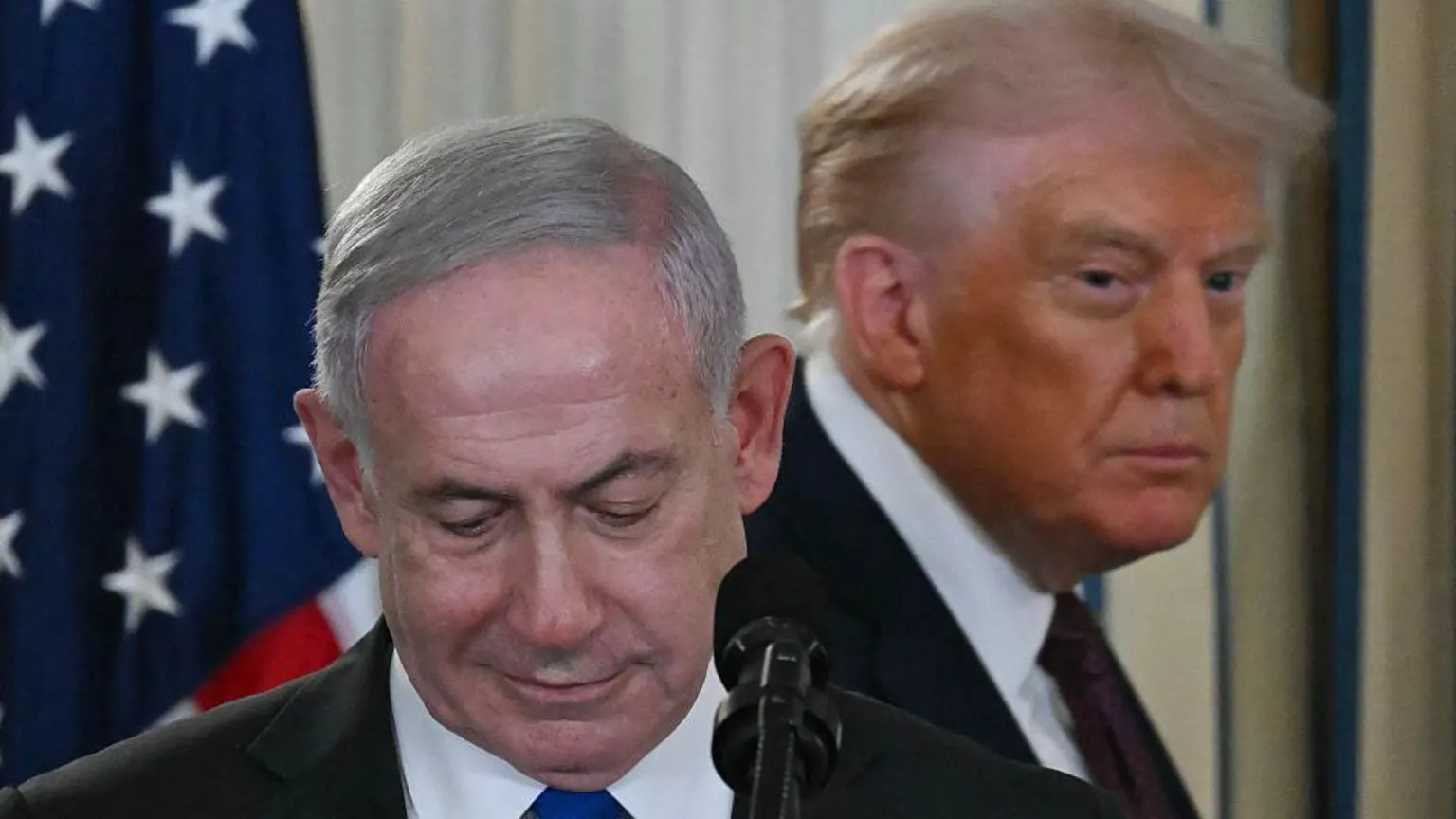
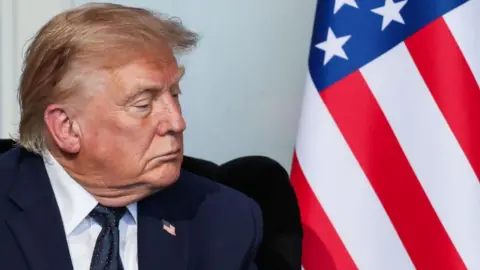
In a recent meeting at the White House, President Donald Trump publicly stated his belief in Russian President Vladimir Putin's commitment to uphold any potential peace deal concerning the ongoing crisis in Ukraine. While meeting with British Prime Minister Keir Starmer, Trump repeatedly asserted, “I think he’ll keep his word,” indicating his long-standing acquaintance with the Russian leader.
Starmer's visit to Washington was aimed at soliciting support for a post-conflict peacekeeping mission, marking a clear divergence from Trump’s more lenient attitude toward Moscow. The British Prime Minister emphasized the necessity for the U.S. not to withdraw support from Ukraine or inadvertently empower Putin in negotiations.
When questioned about the possibility of American assistance should Britain deploy troops to Ukraine in the event that Russia does not honor a peace agreement, Trump's responses were notably ambiguous. He fluctuated between affirmations and denials before ultimately asserting that the U.S. would not be required to intervene, saying, “They don’t need help.”
In addition, President Trump announced that tariffs on imports from Canada and Mexico would commence on March 4, citing insufficient efforts from these nations to curb drug trafficking into the United States. He also hinted that China would encounter an additional 10 percent tariff next week.
As the geopolitical landscape evolves, reflections on Trump’s relationship with Europe have sparked significant discussions, with many EU officials acknowledging a shift from the previously strong ties with the United States. Meanwhile, Trump’s administration is reportedly debating possible military action against Mexican drug cartels or the prospect of working alongside Mexican authorities to destabilize criminal networks.