In brief
In a troubling turn of events, the Trump administration has once again imposed a seven-day notice policy that restricts Congressional members' access to immigration detention facilities. This comes on the heels of a tragic incident where a U.S. citizen, Renee Good, was fatally shot by an ICE officer in Minneapolis. In response to being barred from visiting the ICE facility, three Democratic Congress members from Minnesota have filed for an emergency intervention with a federal court. They argue that this policy infringes upon their oversight responsibilities, particularly during crucial negotiations regarding DHS and ICE funding.
WASHINGTON (AP) — In a surprising move, the Trump administration has silently reimposed a restriction that limits access for members of Congress to immigration detention facilities, doing so a day after the fatal shooting of a woman by an ICE officer in Minneapolis. Legal representatives for several Democratic Congress members announced on Monday that they are seeking to intervene through a federal court.
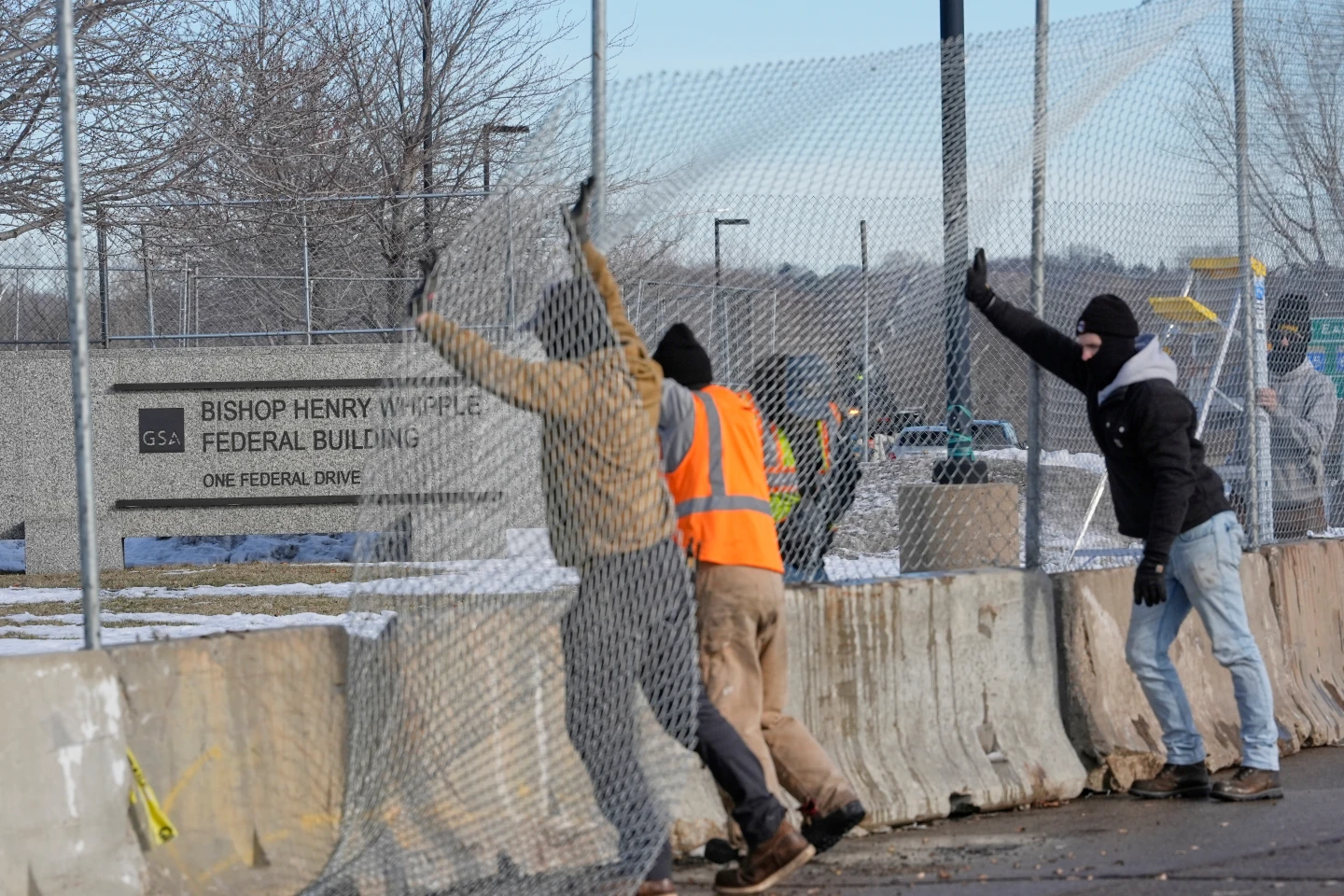
On Saturday, three Democratic representatives from Minnesota faced barriers preventing their entry to an ICE facility located in Minneapolis. This block took place just three days following the incident where ICE officer shot and killed Renee Good, a U.S. citizen.
Previously, U.S. District Judge Jia Cobb in Washington, D.C., had temporarily prohibited ICE from enforcing policies that restrict Congressional access. Following the recent developments, the plaintiffs' lawyers have requested an urgent hearing to ascertain whether this sudden reimposition of the notice policy violates Judge Cobb's order.
In her previous ruling made on December 17, Judge Cobb stated that the week-long notice requirement imposed by ICE was likely unlawful, exceeding the authority granted by the Department of Homeland Security.
Attorneys for the plaintiffs highlight the urgency of the matter, noting their concerns about the negotiations for funding for DHS and ICE as the due date for annual appropriations approaches on January 30.
They argue, “This is a critical moment for oversight, and members of Congress must be able to conduct oversight at ICE detention facilities, without notice, to obtain urgent and essential information for ongoing funding negotiations.”
On the day they attempted to tour the facility, it was initially opened to U.S. Reps. Ilhan Omar, Kelly Morrison, and Angie Craig but they were blocked from entry shortly after.
Officials referenced the newly instated seven-day-notice policy for congressional oversight visits. This policy was secretly reinstated by Department of Homeland Security Secretary Kristi Noem the day following Good's death.
In her ruling, Cobb had previously favored a separate group of Congress members who had sued after being denied access to ICE facilities. The litigation had charged the Trump administration with obstructing necessary governmental oversight amidst a nationwide increase in immigration enforcement.
The government's attorneys cited a lack of legal standing for the plaintiffs, suggesting the concerns about rapidly changing conditions within ICE facilities were speculative. However, Judge Cobb dismissed these arguments, stating that conditions at these facilities can rapidly evolve, necessitating immediate access by lawmakers.
Legislation prohibits DHS from using appropriated general funds to restrict congressional access to DHS facilities for oversight purposes. Legal representatives of the plaintiffs assert that the administration has not verified that none of these funds facilitated the latest notice policy.