In brief
In the wake of escalating tensions and widespread protests against immigration enforcement in the U.S., the Trump administration has decided to send hundreds more federal officers to Minneapolis. This move follows the shooting of 37-year-old Renee Nicole Good, who was killed by an ICE agent during a confrontation. Homeland Security Secretary Kristi Noem asserts that the additional officers are needed to ensure the safety of enforcement operations, while local officials and activists argue that Good posed no threat and condemn the administrative response as an attempt to suppress dissent.
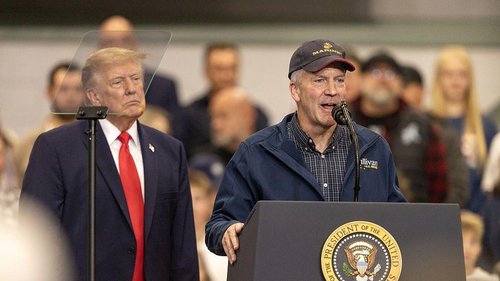
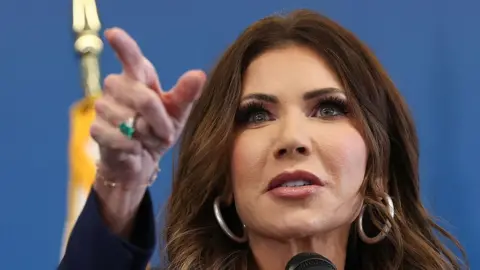
The Trump administration has announced that it will deploy hundreds more federal officers to Minneapolis, days after the tragic death of Renee Nicole Good, who was shot by a U.S. Immigration and Customs Enforcement (ICE) agent. Homeland Security Secretary Kristi Noem stated that these additional officers are intended to facilitate the safe operations of ICE and Border Patrol agents in the city.
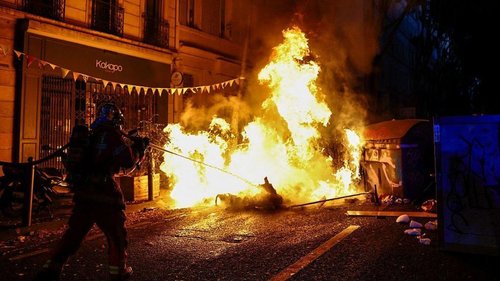
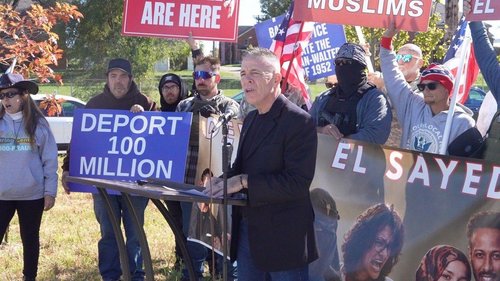
The decision comes amidst widespread protests in response to Good's death and reflects a growing tension surrounding immigration enforcement activities. Protests against ICE have been held in cities nationwide, with significant turnout in Minneapolis following the incident. Demonstrators claim that Good posed no danger when she was shot in her vehicle.
Noem warned that any obstructive actions against law enforcement would face legal repercussions. If they conduct violent activities, we will hold them accountable, she stated, while Minneapolis police reported that tens of thousands participated in a rally advocating for the removal of ICE from Minnesota.
Local officials, including Minneapolis Mayor Jacob Frey, characterized the recent protests as peaceful, disputing allegations made by Noem regarding Good’s actions during the encounter, which the mayor described as those of a person trying to escape the area rather than a form of aggression.
Good’s wife revealed that the couple had arrived at the scene to support their neighbors, which has intensified calls for a thorough investigation into the deadly encounter. The FBI has launched an inquiry, although state authorities assert they are being sidelined from the federal investigation.
As tensions rise, Minnesota Senator Tina Smith criticized the administration’s narrative surrounding Good’s death, suggesting it is an attempt to obfuscate the truth. Meanwhile, the White House has accused Smith of inciting further unrest through her comments.
Despite differing narratives regarding the incident, the state has significantly increased the presence of federal law enforcement, signaling the Trump administration's continued commitment to strict immigration enforcement policies amid protests and civil unrest.