In brief
The Duke and Duchess of Sussex's four-day trip to Australia's east coast felt less like a royal tour, as many Australians reacted with indifference. Unlike their warm reception during a previous visit, this time, fewer people were aware of their presence. Security costs stemming from their visit have raised eyebrows, and while Harry discussed mental health and personal experiences, concerns lingered about the couple's commercial undertakings.
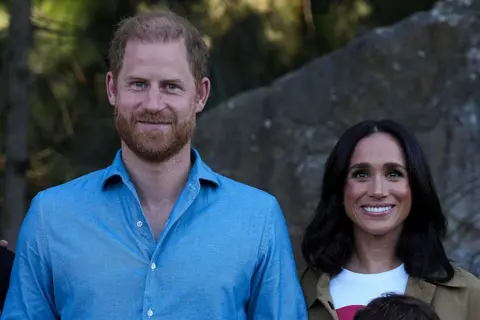
The Duke and Duchess of Sussex have finished their brisk four-day visit to the east coast of Australia.
With an itinerary of Indigenous culture, Australian sport, multiple good causes and a trip to the national war memorial, it had all the hallmarks of a traditional royal tour.
But Prince Harry and Meghan Markle, no longer working royals, were here in a private capacity.
When they last visited in 2018 - then still active members of the Royal Family - tens of thousands of people greeted them on a nine-day tour across Australia.
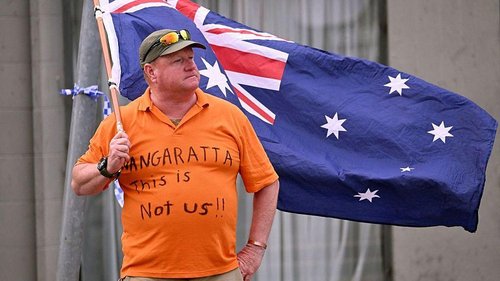
This time was different. Most Australians the BBC spoke to were either unaware or uninterested in the couple's visit.
There has been some backlash too, after it emerged Australian taxpayers may be saddled with some of the security costs for their public events.
If they think it's gone well, it's because nothing has gone wrong, says Giselle Bastin, an associate professor at Flinders University.
They didn't turn up at great big advertised opportunities to see them, at least not in the form of walkabouts, so they've managed to minimise the risk of people having a negative reaction, or hecklers calling out or booing them or anything like that.
But that didn't stop moments where they engaged positively, such as Harry meeting fan Michelle Haywood beneath the sails of the Sydney Opera House.
While social media saw some support for the couple, the broader sentiment among Australians remained mixed, highlighting the challenges they face as they build their post-royal public identities.
In a landscape shaped by both their charitable work and commercial ventures, Harry and Meghan's trip reveals not just their ongoing relevance but also the ambivalence of their audience in Australia.