US and Lebanon Shield Wanted Syrian General from Justice, BBC Finds
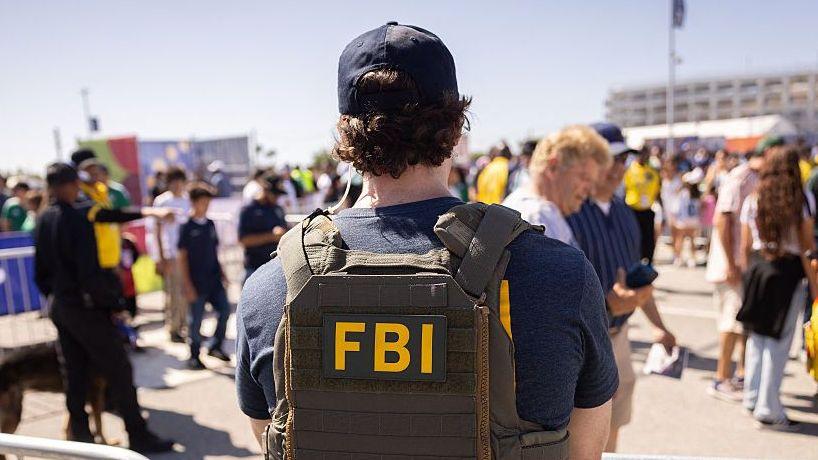
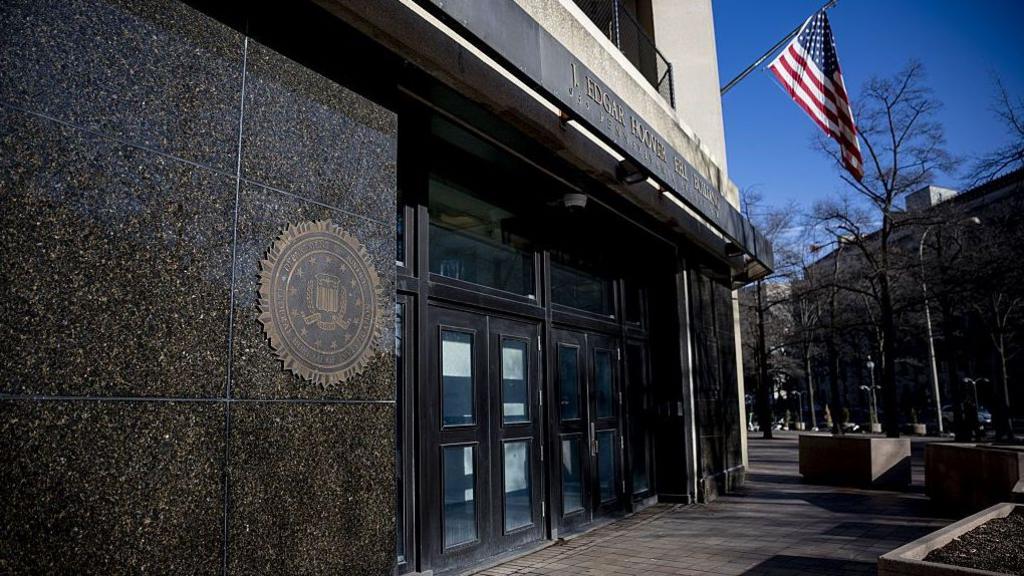
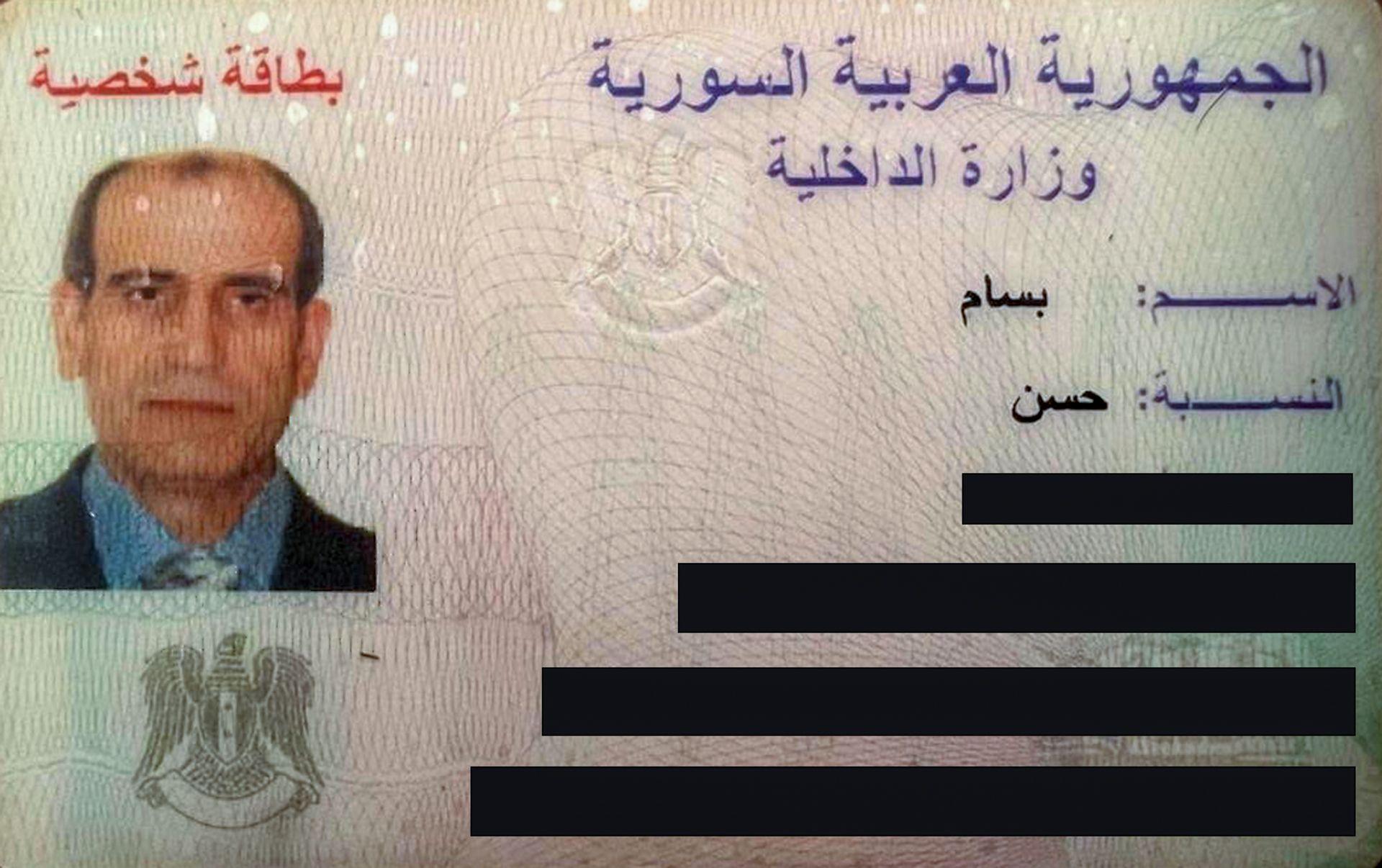
A joint investigation by the BBC and National Public Radio (NPR) has revealed that former Syrian general Bassam al‑Hassan—whose name appears on the U.S. sanctions list for crimes against humanity and who oversaw the regime’s chemical‑weapons programme—continues to receive protection and a covert residency in Lebanon. The U.S. Federal Bureau of Investigation and the Central Intelligence Agency are said to be involved in a clandestine agreement that offers him refuge in exchange for intelligence data, notably on the 2012 abduction of American journalist Austin Tice.
Al‑Hassan escaped to Iran following the fall of the Assad regime in December 2024, but a diplomat‑level deal between the U.S., Lebanon and Iran is understood to have moved him to Beirut where he remains safe and well‑provided for. The arrangement, believed to have been formalised in the spring of 2025, reportedly channels payments to al‑Hassan through an intermediary to obfuscate the flow and keep the location of funds difficult to track.
While Syrian officials—whose government is hastily trying to re‑establish authority—call for al‑Hassan’s extradition and trial, U.S. authorities have declined to comment beyond a statement that the FBI’s priority remains “to confirm facts about the Tice case.” An FBI spokesperson has refused to elaborate, citing “confidentiality of ongoing investigations.”
“If what you are saying is true, the fact that our tax dollars are being used to furnish a comfortable life for someone associated with the use of chemical weapons on Syrian civilians, who claims to have had Austin Tice executed, is offensive,” said Phil Elwood, spokesperson for Tice’s family. “This is nothing less than aiding and abetting the escape of a wanted war criminal. The Syrians deserve justice and he should be returned to stand trial.”
Al‑Hassan’s cooperation has been criticised for yielding scant progress. Despite multiple attempts to obtain a full account of Tice’s fate—al‑Hassan claimed the journalist was executed at the order of President Bashar al‑Assad—no tangible evidence has emerged. A promised site for Tice’s remains was visited but yielded nothing, raising questions about the veracity of al‑Hassan’s claims and the thoroughness of the search. Sources say U.S. teams halted the dig prematurely, possibly citing security concerns, leaving the story unresolved.
The case also highlights a broader trend: several other former Syrian officials with ties to the Tice disappearance have purportedly found refuge abroad, including members of the Republican Guard who are believed to be located in the United Arab Emirates and Lebanon. One former general involved in the detention of Tice is now thought to operate a safe house in the UAE, while another, closely linked to the abduction, maintains residence between the UAE and Lebanon.
These developments raise uncomfortable ethical questions about the extent to which intelligence agencies will safeguard individuals charged with mass atrocities, and whether national interests may override demands for accountability. The international community now faces a dilemma: upholding the rule of law versus leveraging potentially valuable intelligence in a fight against terrorism and regional instability.