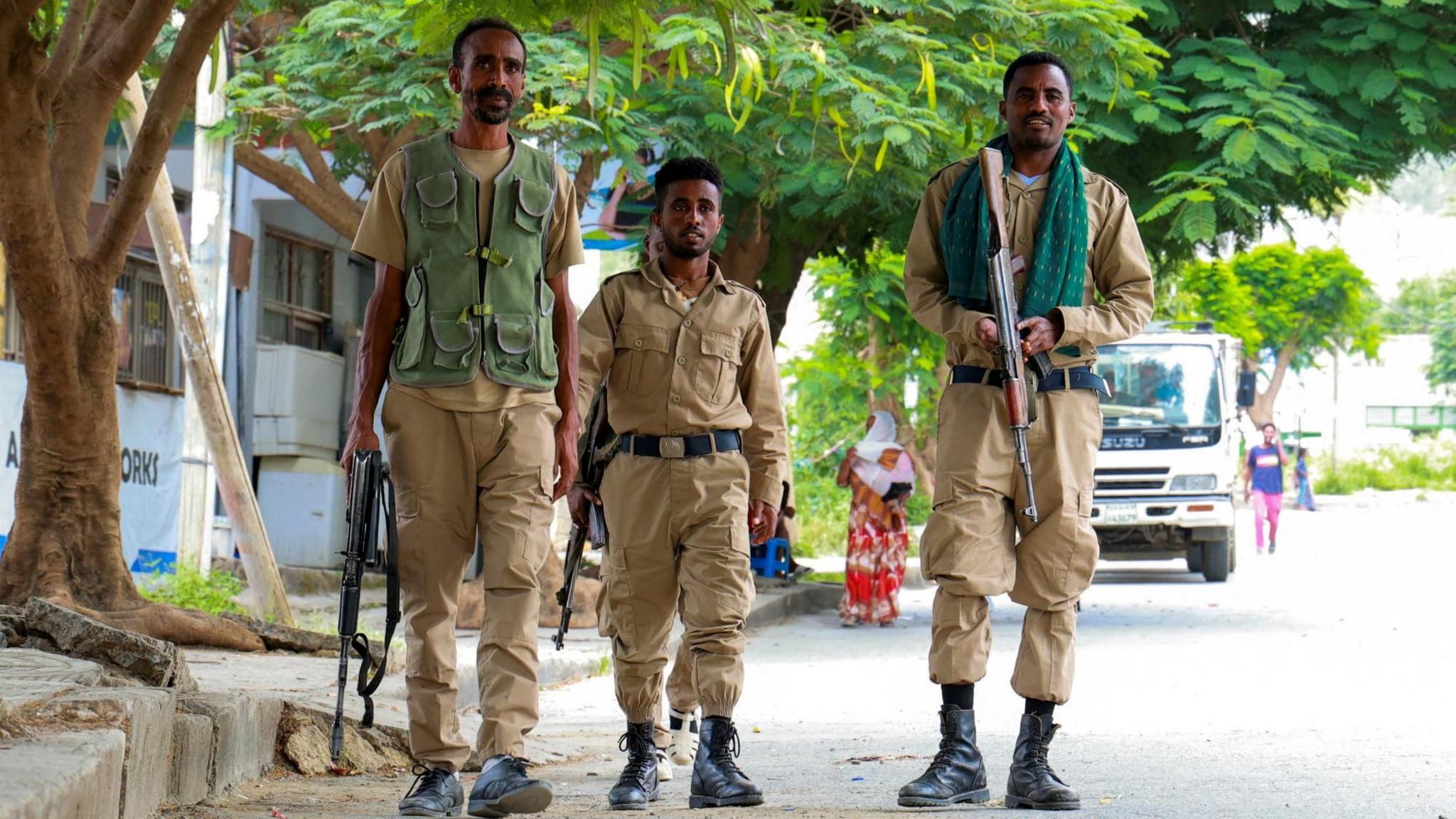
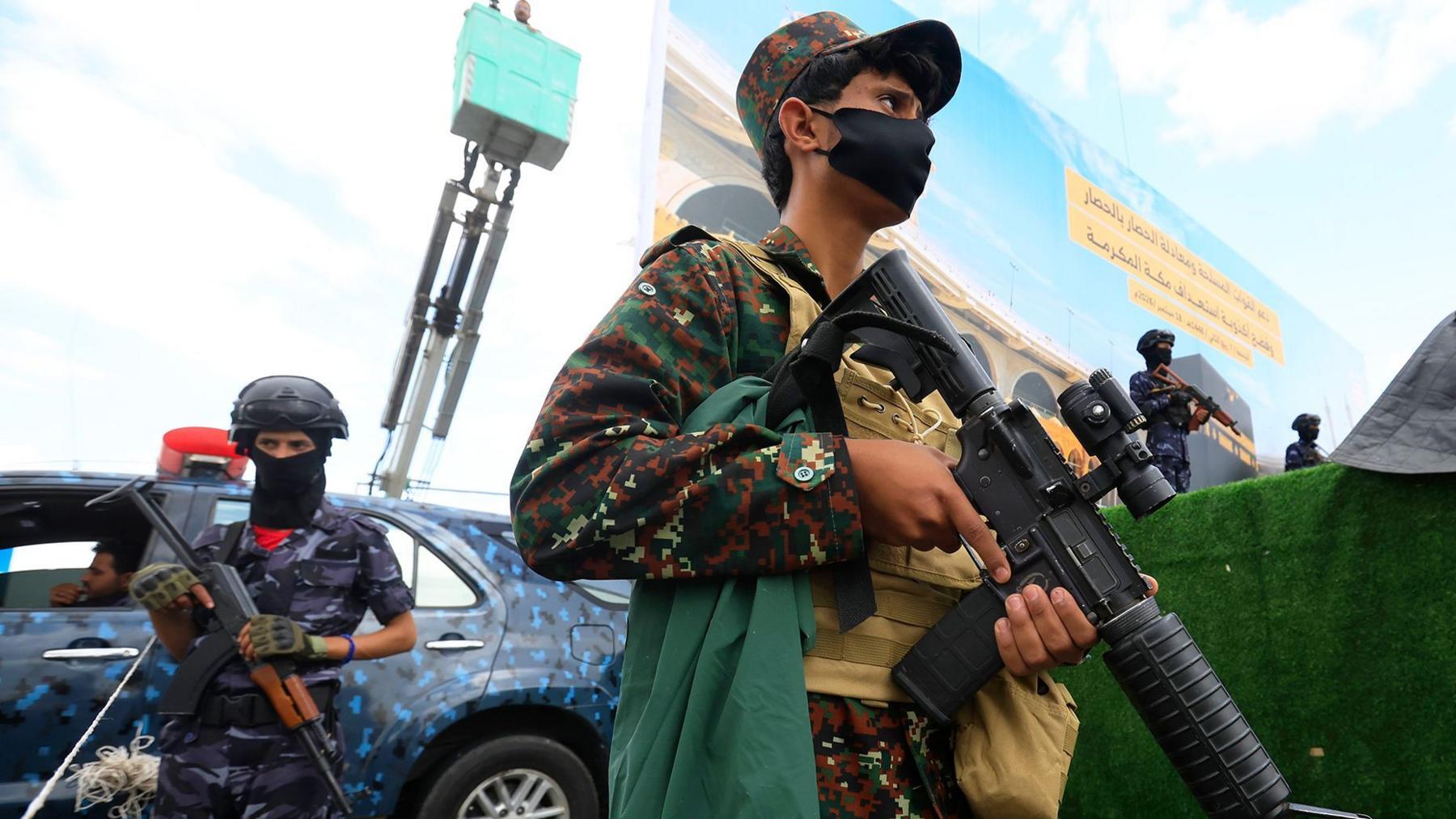
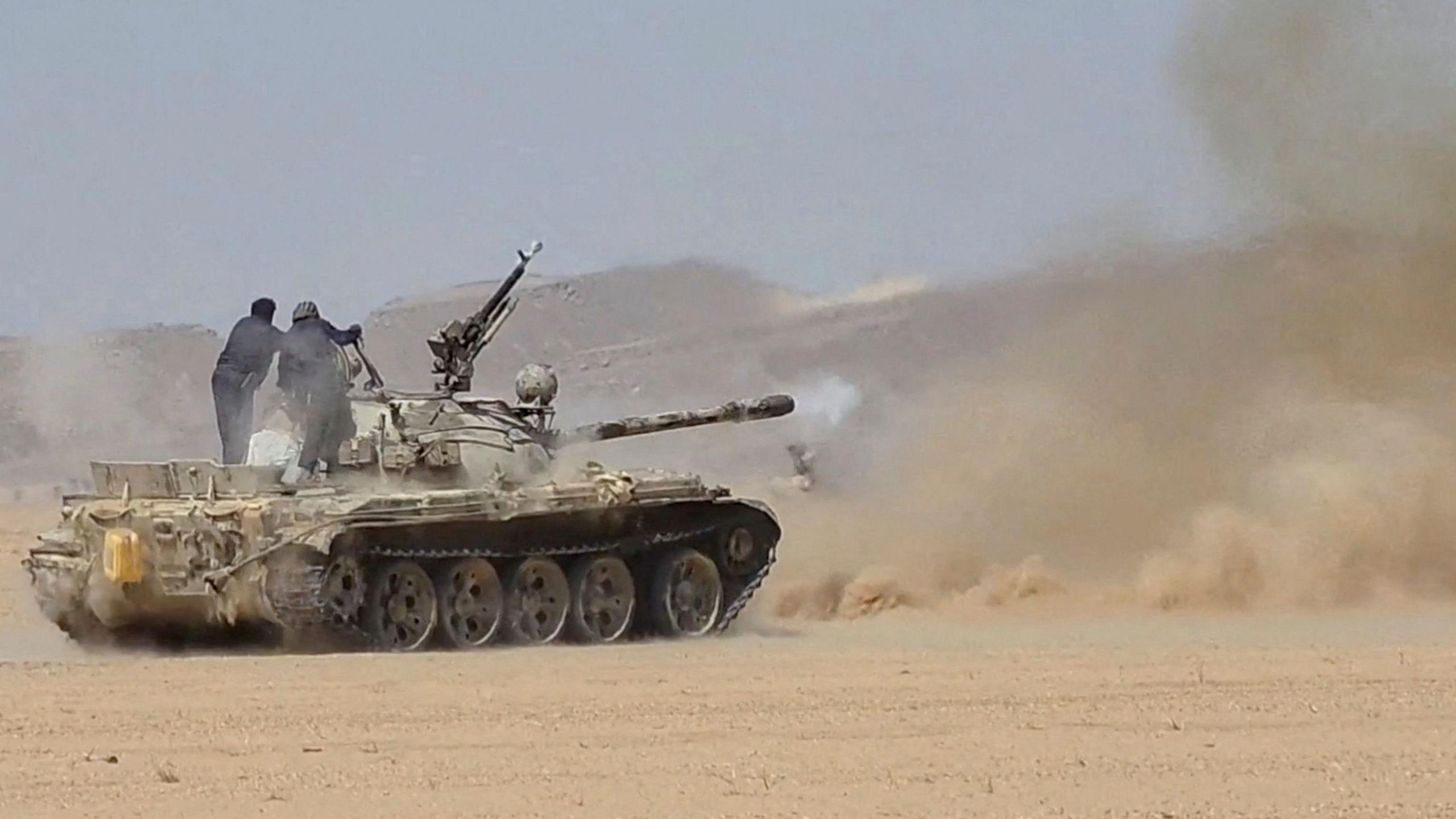
In the foothills that shadow Taiz, Yemen’s third‑largest city, soldiers riding armored pickups keep a low‑flying drone at arm’s length, while a distant boom of mortar fire rattles the stillness of the mountains.
The drone, a first for many troops, is quickly followed minutes later by a succession of shell strikes whose impact sites the soldiers cannot precisely point to, but whose roar echoes over their heads.
The front line is a maze of abandoned homes and crumbling terraces, where families have fled or are now trapped staring at the plumes of smoke that sumble from the high ground.
In a rented outfield, a man named Ali watches his goats graze, while a pair of mortars rattle near his house, an ordinary day for a town under siege.
Across the valley, a hospital bleeds with civilians and wounded soldiers; a twelve‑year‑old girl, known only as Ghana, lies in intensive care after her head was struck by shrapnel from a close‑in mortar round.
The city’s central position has made it a pivot between Houthi‑controlled northern Yemen and the South‑national government, and control of its western slopes could decide the fate of the vital Bab al‑Mandab trade lane.
Meanwhile, the United Nations has warned that the next three months could forced around 100,000 more people from their homes; the al‑Monig displacement camp now hosts over 200 families who fled Mokha and nearby villages.
Last week, a 20‑km stretch south of Taiz saw the arrival of a man who had been forced to crawl for two days, stepping barefoot over shattered roads while bullets and shells thundered above him.
Chewing on the horror, local officials pressed the need for urgent humanitarian access, while the international coalition intensified air strikes on rebel positions along the coast as fear that a wider Houthi offensive looms.

These front‑line meetings offer a raw glimpse into a war that has displaced more than a quarter of a million people this month, strings of suffering stitched into the dusty streets of Taiz and the fields beyond.