US Marine Arrested in Hotel Murder Ignites Okinawa Protests
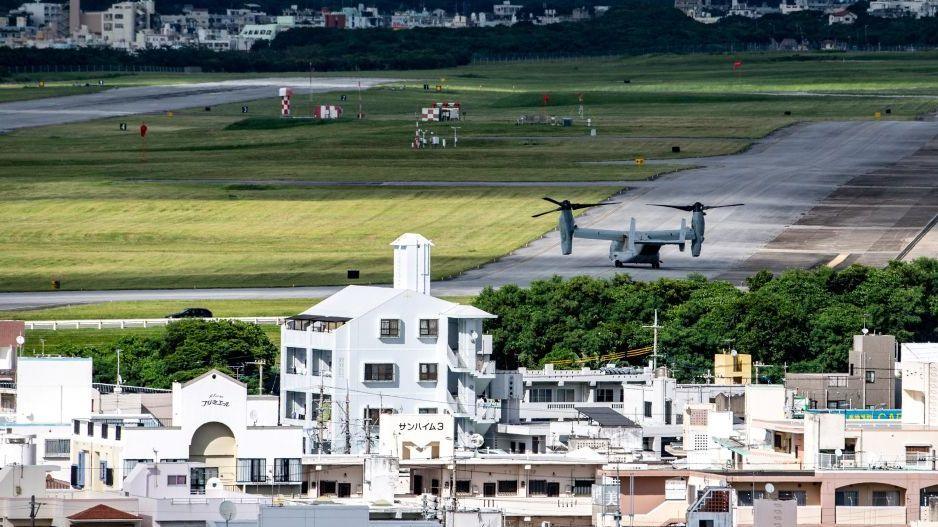
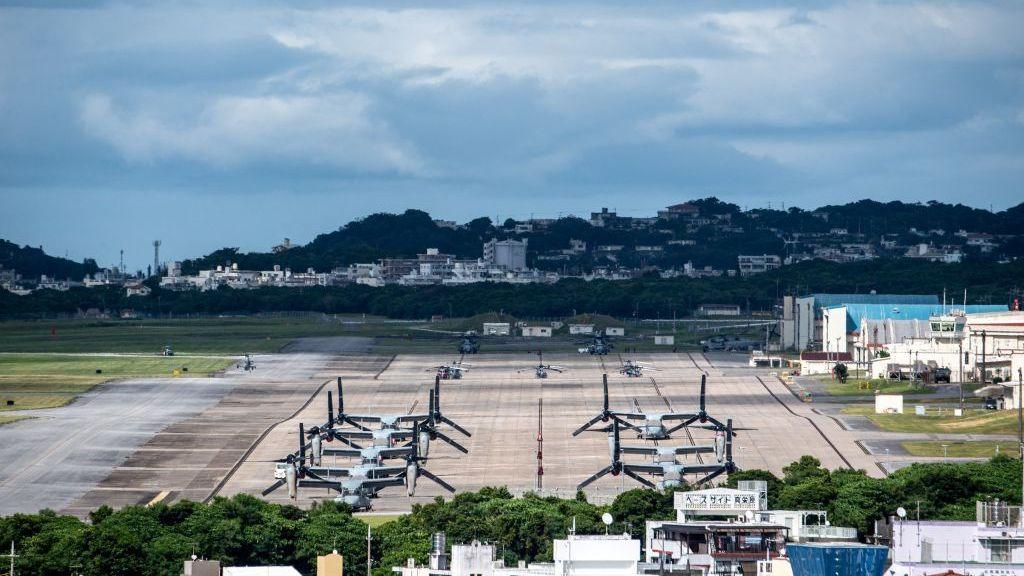
Arrest of US Marine Lance Corporal Devin Jacob Ballard in Naha over the alleged robbery‑murder of 39‑year‑old Anna Yagi has brought fresh anger to Okinawa, the site of the world’s largest U.S. military presence outside the United States.
Over two decades ago, the islands have been scarred by repeated incidents tied to U.S. service members, from rape and assault to armed robbery. This latest crime, which police say was carried out outside official duty, has reminded residents that their safety remains a constant worry. 52‑year‑old Ai Sato, a Ginowan native, told the BBC: "Not again—how many times do we have to listen to this grief?"
The arrest has sparked protest marches in both Naha and Tokyo. In Naha, a crowd of around 100 gathered, holding signs demanding “justice” and “policy change.” Social media erupted with slams of the government’s response and calls for President Biden to intervene. Prime Minister Sanae Takaichi filed an official protest with Washington, but residents say it is a mere gesture.
Japanese authorities state that jurisdiction lies with Japan because the alleged crime was unrelated to official military duties. If the U.S. retains custody, it can hold the Marine until Japan files charges. The 2016 rape‑murder of a 20‑year‑old local, which triggered mass protest, ended only after a marine was convicted and sentenced to life imprisonment, illustrating the long‑standing demand for accountability.
Since its reversion to Japanese control in 1972, Okinawa has seen 6,409 arrests of U.S. personnel for offenses ranging from assault to drunk‑driving. With roughly 55,000 U.S. troops stationed in Japan and only 10% of that fleet on the Japanese mainland, the island’s status as a military hub remains a heightening of local resentment over noise, crashes, and other disturbances.
What can happen next? Local officials are calling for immediate implementation of strict jurisdictional measures and better transparency about U.S. forces’ conduct. The international impact also looms large: U.S. allies, especially Canada and Australia, have watched watch a pattern of tension that could affect broader Indo‑Pacific stability.