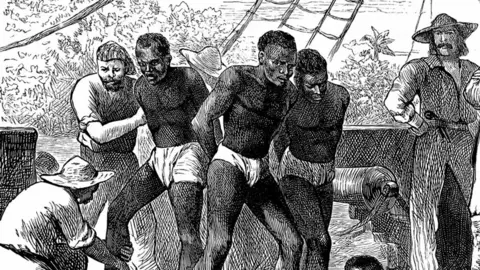
The United Nations General Assembly has voted to recognize the enslavement of Africans during the transatlantic slave trade as the gravest crime against humanity, a move advocates hope will pave the way for healing and justice.
The resolution, proposed by Ghana, called for this designation while also urging UN member states to consider apologizing for the slave trade and contributing to a reparations fund. It does not mention a specific amount of money.
The proposal was adopted with 123 votes in favor and three against, from the United States, Israel, and Argentina, while fifty-two countries abstained, including the United Kingdom and many EU member states.
Countries like the UK have long rejected calls to pay reparations, arguing that it is unjust to hold today's institutions responsible for historical injustices.
Ghana's President John Mahama stated, Let it be recorded that when history beckoned, we did what was right for the memory of the millions who suffered the indignity of the slave trade and those who continue to suffer racial discrimination.
With the resolution's adoption, Ghana emphasizes the ongoing impacts of slavery, as generations continue to experience the repercussions through racial inequalities and underdevelopment.
Earlier demands for reparations have gained momentum, with calls for compensation directed towards educational and development initiatives, rather than direct remuneration to individuals.
Despite the positive response from many, the resolution itself is not legally binding, but carries significant weight in global discourse.
In closing remarks, Mahama reminded the assembly that the fight for reparations and acknowledgment of historical wrongs is not simply a matter of monetary compensation; it is about justice and affirmation of dignity for those who have suffered through centuries of oppression.