In brief
Helena's city commissioners voted 4-1 to rescind a resolution restricting local police from collaborating with federal immigration enforcement. This decision followed more than five hours of public comment and legal pressure from Montana Attorney General Austin Knudsen. Despite emotional pleas from community members, the commission prioritized legal compliance and potential financial repercussions. Mayor Emily Dean expressed frustration at state overreach, while some advocated for stronger local control over immigration policies. The commission instructed city attorneys to consult with the attorney general on revising the resolution, highlighting ongoing tensions in local governance regarding immigration.
Exactly two months after Helena officials approved a resolution restricting local police from working with federal immigration enforcement, city commissioners voted Thursday to rescind the measure in response to legal threats from Montana Attorney General Austin Knudsen.
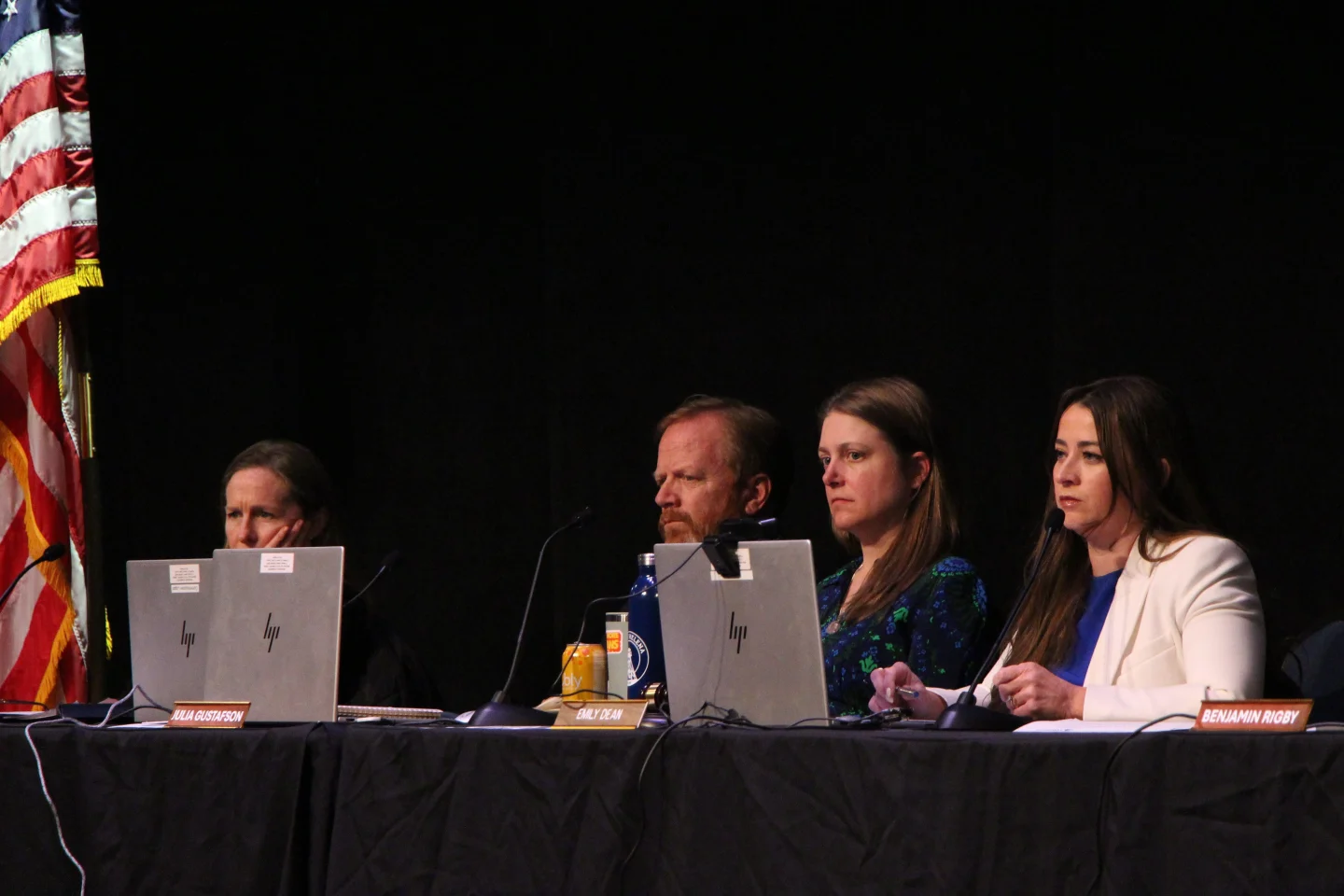
After more than five hours of public comment and deliberation — during which nearly a hundred people testified fiercely and emotionally about local government control, budget risks, authoritarianism, and democracy — Helena’s commission members scrapped the January resolution in a 4-1 vote.
Immediately after the vote, Mayor Emily Dean called for a recess after members of the public yelled “shame” and shouted profanities at the city officials. When they returned, commission members directed city attorneys to begin redrafting the resolution and invite the attorney general’s office to discuss the revised language. That motion also passed on a 4-1 vote, with Commissioner Melinda Reed dissenting.
In statements Friday morning, Knudsen and Gov. Greg Gianforte welcomed the commission’s decision. “The commissioners made the right decision voting to keep the Helena community safe,” the attorney general wrote. “This resolution should never have been passed in the first place. My office will continue to hold any jurisdictions in violation of Montana’s sanctuary city prohibition accountable.”
Tensions during the special meeting, held in the Helena Civic Center auditorium to accommodate a larger crowd, stayed high throughout the night. Natasha P. Jones, an outside attorney hired by the city, recommended that the commission rescind the entire measure passed earlier this year, highlighting the financial risks posed by fines defined in a 2021 Montana law banning sanctuary cities.
The majority of public commenters on Thursday rejected the idea that the resolution made Helena a “sanctuary city,” urging city officials to keep the resolution in place. Several proponents criticized the state’s bullying and extortion tactics, arguing that rescinding the resolution placed local authority at risk.
In explaining her recommendation, Jones noted that while Montana’s law had not been litigated, similar measures in other states had been upheld in court. She stated that the financial implications and risks of a lawsuit were elevated given the state’s aggressive stance.
Ultimately, the commission, under significant pressure, decided to reverse the resolution to avoid potential fines and maintain the city's financial integrity. Commissioner Reed’s dissent reflected concerns about local autonomy and governance, stating, “I will not be governed by fear and I will not govern with fear.” Moving forward, the commission has tasked city attorneys to engage with the attorney general to seek a resolution that aligns with both local values and state laws.
This issue has ignited a broader debate in Helena about the balance of power between local governance and state authority, indicating ongoing tensions over immigration policy in Montana.