In brief
A resolution has been sent to President Trump that aims to lift the mining ban in Minnesota’s Boundary Waters Canoe Area. This move, backed by Congressional Republicans, has drawn criticism from Democrats and environmentalists who fear it will lead to significant pollution risks in a region known for its ecological integrity. Twin Metals Minnesota, affiliated with Antofagasta Minerals, seeks to develop a mining operation in the area, but environmental protections remain a contentious issue. Senators from Minnesota express concerns over the potential loss of the state’s natural heritage, arguing that local voices advocating for conservation are being ignored.
Congressional Republicans have sent President Donald Trump a resolution that would lift a federal ban on mining near Minnesota’s Boundary Waters Canoe Area Wilderness, hoping to clear the way for a South American company to extract precious metals from the region’s pristine forests, lakes, and bogs.
Last month, House Republicans approved the resolution despite warnings from conservationists that such a move would lead to severe pollution in one of the last wild areas of the country. Following suit, the Senate passed the measure with a narrow 50-49 vote to forward it to Trump for his signature.
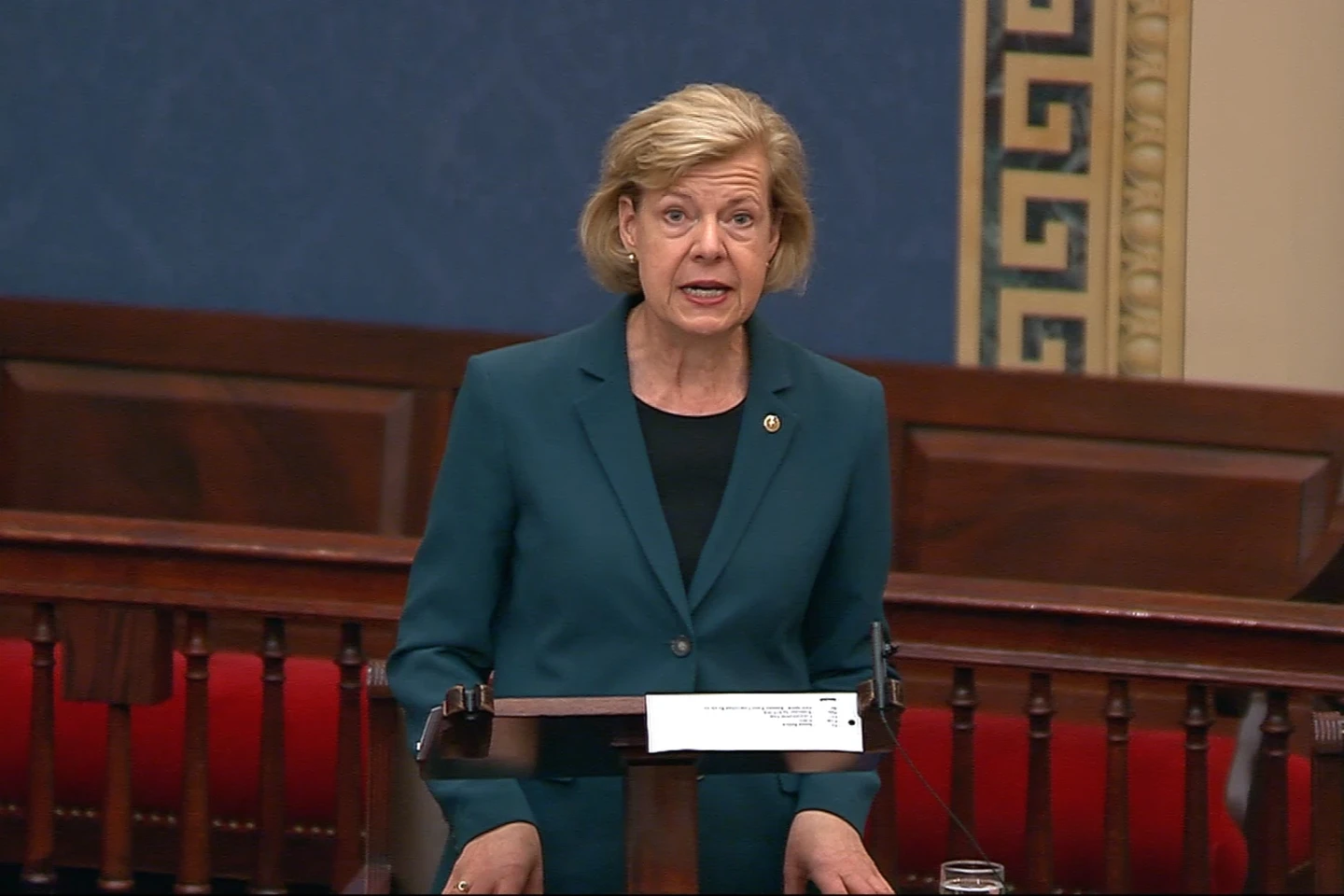
Democrats voiced their concerns on the Senate floor, arguing that lifting the ban could set a dangerous precedent, endangering public land protections nationwide. Minnesota Senators Amy Klobuchar and Tina Smith cautioned that this decision could undermine their state's identity.
Klobuchar, who has historically supported iron mining but is now running for governor, described the Boundary Waters as a place of mist over meadows and sunlight on leaves. Smith criticized the GOP for disregarding the wishes of Minnesotans who wish to preserve the wilderness.
“You can support mining, but that does not mean you support every mine in every place,” Smith asserted. Notably, no Republicans spoke during the Senate debate on lifting the ban.
The Boundary Waters Canoe Area Wilderness, which stretches roughly 150 miles along the Minnesota-Canada border, features pristine lakes and lush forests. It is designated for its ecological significance, where logging is prohibited, and motorized boats are restricted to specific areas.
Amidst this backdrop, Twin Metals Minnesota, a subsidiary of the Chilean company Antofagasta Minerals, aims to mine valuable metals in the Duluth Complex area. The company claims that its operations would create hundreds of jobs and result in significant revenue for local economies. However, environmentalists are concerned about the repercussions, fearing that mining activities will contaminate the watershed with harmful pollutants.
Efforts to lift the moratorium have spurred public outcry. Environmentalists, outdoor enthusiasts, and local community members have pushed back against the decision, arguing it jeopardizes the ecological integrity of the area. Groups like Friends of the Boundary Waters have organized demonstrations to oppose the move.
As the resolution awaits Trump's action, it remains uncertain if Twin Metals will navigate the extensive bureaucratic and legal hurdles required to initiate such a project, given the likely court challenges from environmental groups.