In brief
In a landmark vote, the United Nations General Assembly declared the transatlantic slave trade 'the gravest crime against humanity', with broad support from African and Caribbean nations. UN Secretary-General Antonio Guterres emphasized the lasting impact of slavery on modern society. The resolution, while non-binding, may invigorate discussions surrounding reparations and foster further dialogue on acknowledging historical injustices.
The United Nations General Assembly this week overwhelmingly backed a resolution declaring the transatlantic slave trade the gravest crime against humanity.
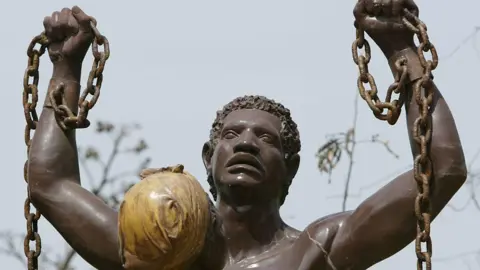
Welcoming the vote, UN Secretary-General Antonio Guterres said that the wealth of many Western nations was built on stolen lives and stolen labour. Noting the barbaric punishments that maintained control - from shackles and iron collars to flogging and sexual violence, he stressed that it was not simply forced labour but a systematic dehumanization.
The resolution, which received support from 123 countries, is not legally binding, but analysts believe it sends a strong message. Almaz Teffera from Human Rights Watch remarked that having this debate at the UN is a huge and significant step in political terms and may enhance prospects for reparations discussions.
Countries that voted against the resolution include the United States, Argentina, and Israel, with notable abstentions from the UK and several EU members.
Dr. Erieka Bennett of the Diaspora African Forum expressed the vote's personal significance for descendants of the enslaved, suggesting it is an acknowledgement of their suffering. The historical context of reparations calls have heightened in recent years, especially after some nations formally apologized for their roles in slavery.
The resolution urges UN member states to consider apologies and reparations for the impact of the slave trade, marking a continuation of the global conversation regarding reparations, which has become increasingly urgent.
In addition to discussions around financial reparations, the movement includes calls for educational reforms to address historical narratives in nations historically involved in the slave trade. Historical precedents for reparations exist, but none for enslaved Africans, suggesting a path forward filled with complex negotiations and political challenges ahead.