In brief
Research conducted by German scientists warns that ongoing ocean acidification could compromise the structural integrity of shark teeth. This degradation poses a risk to sharks, whose ecological roles as top predators rely on robust teeth. As the ocean absorbs more CO2, the acidity is projected to increase significantly, potentially affecting marine life. Experts stress that while sharks have survived through numerous environmental changes over 400 million years, the compounding threats of acidification, overfishing, and pollution require urgent attention.
PORTLAND, Maine (AP) — Sharks are the most feared predators in the sea, but new research suggests that their iconic teeth may be at risk due to ocean acidification. A group of German scientists has linked changes in ocean chemistry, primarily driven by human activities such as fossil fuel combustion, to potential weakening in shark teeth structural integrity.
The study indicates that as ocean acidity rises, the effectiveness of shark teeth—which they depend on to hunt and maintain their predatory status—could diminish significantly. Lead author Maximilian Baum, a marine biologist at Heinrich Heine University Düsseldorf, emphasizes that this presents a new hazard for sharks who already contend with pollution, overfishing, and climate change.
We found there is a corrosion effect on sharks’ teeth, Baum stated. Their whole ecological success in the ocean as the rulers of other populations could be in danger. While sharks will not become toothless overnight, even gradual weakening could have detrimental effects.
Acidification’s Rising Threat
The researchers published their findings in the journal Frontiers in Marine Science, highlighting that ocean acidification is becoming a pressing focus of conservation efforts. The National Oceanic and Atmospheric Administration reports that as the ocean absorbs more CO2, acidity levels could increase nearly tenfold by the year 2300.
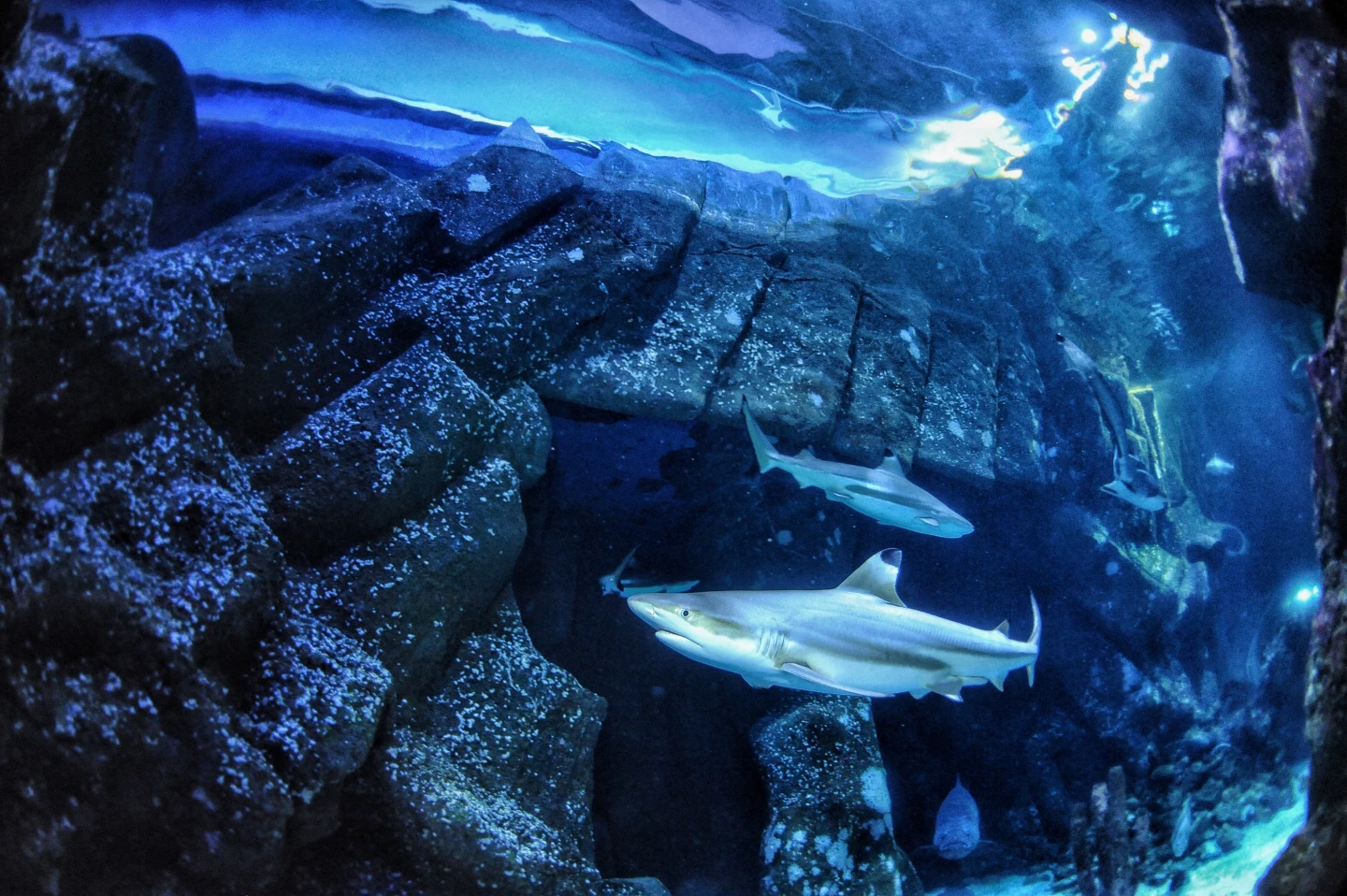
For their research, scientists collected over 600 discarded teeth from blacktip reef sharks and exposed them to water simulating both current and projected future acidity levels. The results indicated that increased acidity led to substantial damage including cracks, holes, and root corrosion.
Staying on Top Despite Challenges
Shark teeth serve as highly developed hunting tools designed for cutting flesh rather than resisting acidic environments. They cycle through thousands of teeth in their lifetime, making it critical for maintaining balance in marine ecosystems.
Despite these threats, some experts remain optimistic about sharks' resilience. Nick Whitney, senior scientist at the Anderson Cabot Center for Ocean Life, noted that as teeth develop within the mouth tissue, they may temporarily be shielded from environmental changes. Moreover, sharks are a robust species with millions of years of evolutionary history behind them.
However, the overarching threat remains. Gavin Naylor, director of the Florida Program for Shark Research, warns that while acidification poses significant risks, overfishing continues to be the major threat to sharks.
Broader Implications of Ocean Acidification
Acidification is predicted to have wide-ranging effects not just on sharks but on the entire marine ecosystem. Species like shellfish, which rely heavily on calcium carbonate to build their shells, will face challenges as the ocean becomes more acidic.
As ocean acidification advances, certain shark species may be pushed closer to extinction, exacerbating a series of ecological failures in ocean systems. The evolutionary success of sharks is dependent on their perfectly developed teeth, Baum concluded, signaling a call to action for conservation efforts.