In brief
In southern Louisiana, farmers are grappling with an alarming rise in invasive species, particularly the apple snail and delphacids, which threaten crucial crops like rice and crawfish. Farmers like Josh Courville report that for every crawfish caught, numerous snails appear, complicating production. As researchers investigate the rise of these pests, they warn that climate change could further exacerbate the situation, diverting farmer focus and requiring costly adaptations to farming practices.
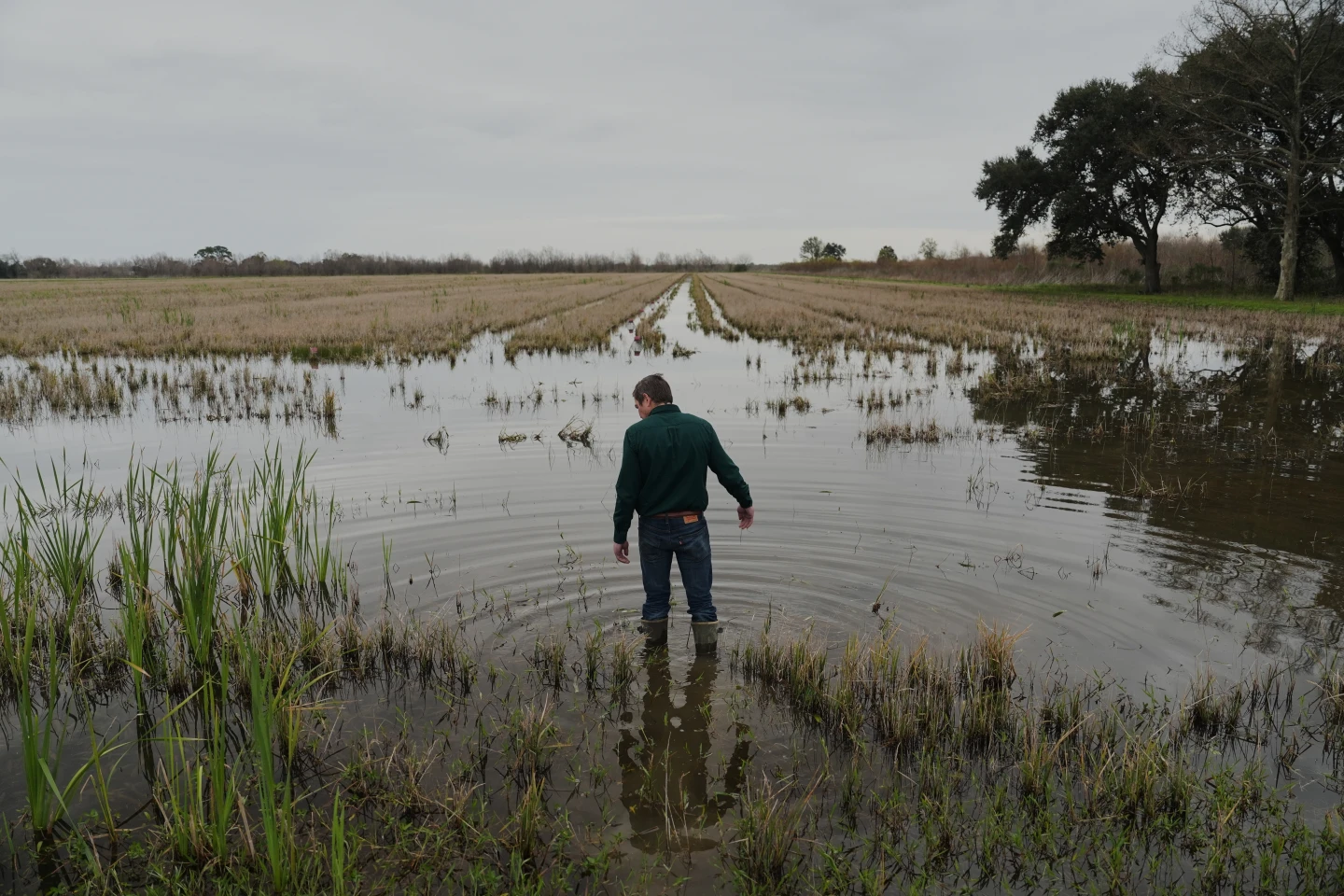
KAPLAN, La. (AP) — Farmers in Louisiana are facing severe challenges as invasive species invade their fields and threaten their livelihoods. Notably, apple snails, which have become prevalent since flooding in 2016, are now a common sight, often outnumbering the crawfish harvested by farmers like Josh Courville. It's disheartening, Courville said, noting how snails can ruin crops by damaging young rice plants.
These apple snails, which can produce thousands of eggs monthly, are not alone in their threat. Tiny insects known as delphacids pose a significant risk to rice plants, leading to possible crop destruction. Experts are racing to understand why these pests are proliferating and how they might be controlled without harmful pesticides that could affect other aquatic life.
The effects of the spread of these pests are significant; losses due to pests could translate into higher rice prices for consumers. Rice farmers are excited about recent production efforts but express fear over future yields as pest populations increase.
Climate change is another looming factor, as warmer temperatures make it easier for invasive pests to flourish, making planning and management more complex for farmers. They report needing to adopt more costly agricultural practices, further affecting their margins and revenue streams.
Researchers are exploring options to manage these invasive species sustainably, but solutions are challenging to implement.