In brief
Solar storms, responsible for the stunning aurora borealis, can unleash powerful disruptions on Earth, impacting power grids, satellites, and air travel. Recent incidents hint at the potential dangers associated with these cosmic phenomena, such as a major solar storm that grounded over 6,000 planes due to its interference with aviation systems. Awareness and preparedness for such events are critical as research suggests that more severe solar storms could occur in the future.
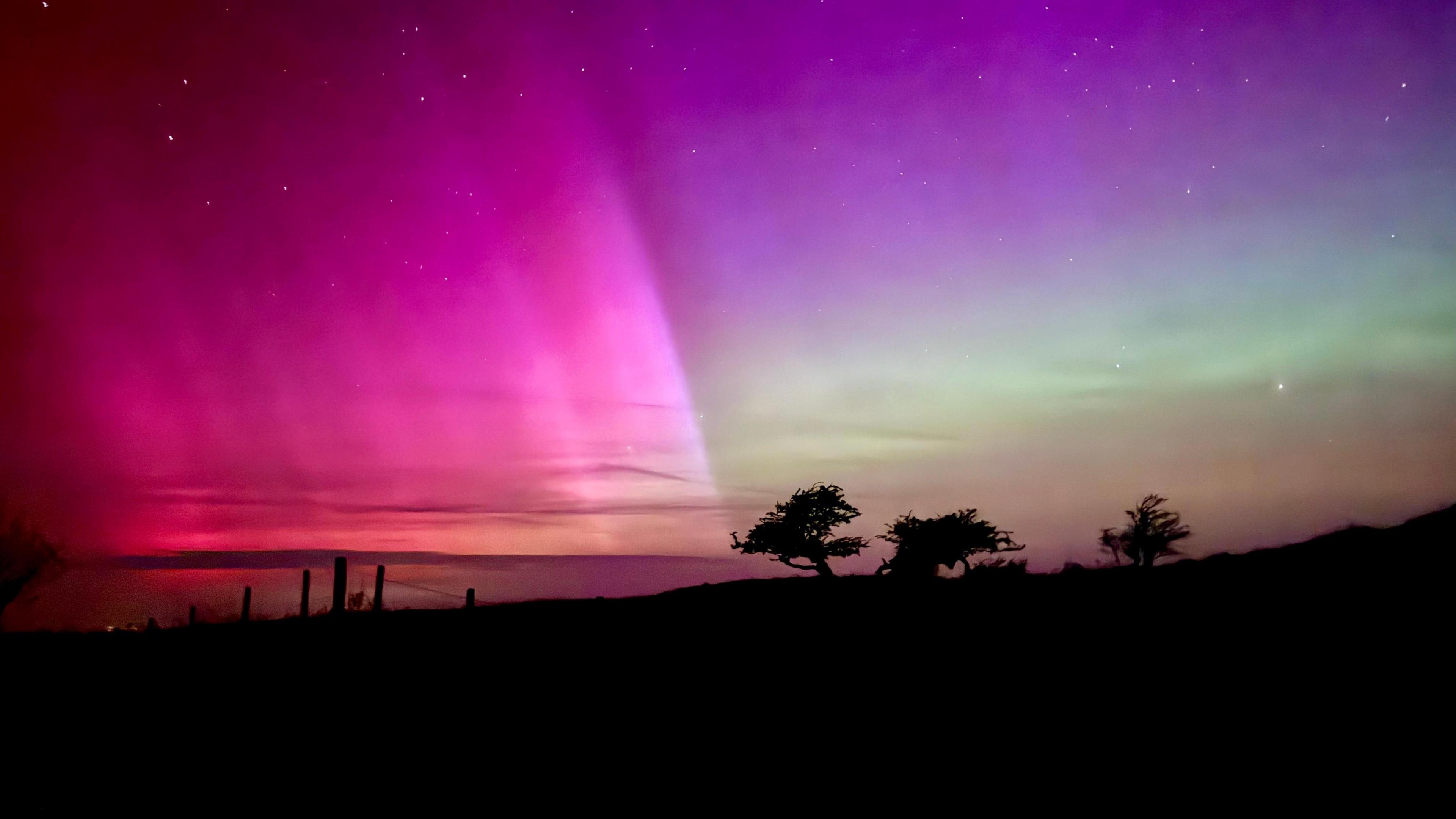
Witnessing a dazzling display of the Northern Lights with vivid sheets of colour dancing across the night sky is a real treat for those lucky enough to be in the right place at just the right time.
However, the same solar activity that creates these stunning visuals can also unleash disruptive events on Earth. The charged particles expelled by the sun can have far-reaching effects on our technology, especially affecting electricity supplies, satellites, and air travel.
In October, for instance, over 6,000 planes were grounded due to interference from intense solar radiation, which caused a sudden drop in altitude in an Airbus A320. Such incidents highlight the importance of understanding and preparing for the risks that solar storms pose.
What damage can solar storms cause?
The UK government's National Risk Register includes severe space weather as a potential risk, alongside more commonly recognized threats like nuclear incidents and terrorist attacks. When solar storms strike, they can affect essential services, as evidenced by the Carrington Event of 1859, which resulted in electrical shocks for telegraph operators and sparked disruptive currents in long wires.
Modern technology may be even more vulnerable. Space weather can expand the Earth's atmosphere, increasing drag on satellites, which can lead to their loss or collision in orbit. For example, a solar storm in February 2022 resulted in the loss of 38 satellites. Furthermore, GPS and radio communications can be severely impacted, creating challenges in transportation, including air travel.
What are the chances of another Carrington event?
In July 2012, a Carrington-class event narrowly missed Earth, showcasing the potential threat such storms pose to modern civilization. Earth may face even worse events in the future as researchers speculate that significant solar storms, known as Miyake events, could occur, posing unprecedented challenges.
Given the severity of impacts associated with previous solar storms, preparation and research into mitigating risks are essential. Understanding the dual nature of solar storms is crucial for ensuring safety and maintaining technological integrity.