In brief
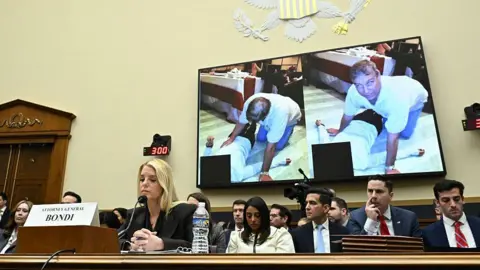
US Attorney General Pam Bondi's recent testimony regarding Epstein's case erupted into a heated exchange, with accusations towards the DOJ's management of redactions and treatment of victims. Lawmakers from both sides criticized her responses amidst calls for accountability and justice for Epstein's victims.
In a passionate and confrontational congressional hearing, US Attorney General Pam Bondi faced intense scrutiny regarding her department's handling of Jeffrey Epstein's files. The discussions quickly escalated into heated exchanges as Bondi defended the justice department against claims of mishandling sensitive information relating to the late sex offender.
The hearing revealed the tension between Bondi and lawmakers, with accusations flying during a four-hour session. At one point, Bondi labeled a Democratic congresswoman a 'washed-up loser.' Victims of Epstein's abuse were present, and their plight was a focal point, with lawmakers demanding accountability for how the justice department has edited sensitive files, sometimes releasing the names and personal information of survivors incorrectly.
Bondi opened her testimony by expressing sympathy towards Epstein's victims, acknowledging their suffering while simultaneously rebuffing claims of improper redaction practices. Congresswoman Pramila Jayapal pressed Bondi, highlighting that some files released contained nude images of victims and questioned the department's failure to protect their identities as required by law.
Republicans also joined the chorus of criticism, with Thomas Massie describing the situation as 'bigger than Watergate,' pointing to the broader implications of the DOJ's inactions spanning multiple administrations. Bondi faced pointed questions about decisions to redact certain names from files and the implications of such actions on victims' rights and public trust.
Among the topics discussed was the controversial transfer of Ghislaine Maxwell to a minimum-security facility. Lawmakers expressed their outrage over this move and Bondi's seemingly detached response to the concerns surrounding Maxwell’s treatment.
The hearing also touched upon other pressing issues, including calls for investigations into federal agents' conduct during recent confrontations in Minneapolis. With rising tensions and a clear divide among Democrats and Republicans, Bondi's testimony may have significant repercussions for how the justice department proceeds with cases involving sexual abuse and public trust.