In brief
Officials warned of severe impacts from a looming funding lapse at the Department of Homeland Security, including interruptions to disaster relief, cybersecurity training delays, and missed paychecks for airport staff. The House panel discussions highlighted the complexities of negotiating funding amidst recent public safety incidents and immigration policy debates, with both Democrats and Republicans showing skepticism over proposed solutions. The majority of DHS employees would continue working without pay, raising concerns about morale and operational efficacy.
WASHINGTON (AP) — A looming funding lapse at the Department of Homeland Security could lead to serious repercussions, including delays in disaster relief reimbursements, cybersecurity training setbacks, and missed paychecks for TSA agents screening passengers at airports. These developments were outlined by officials who testified before a House subcommittee on Wednesday.
Congress has passed funding for most of the federal government but only a short-term extension for Homeland Security until Friday. The urgency of enacting a more comprehensive funding agreement has intensified following several incidents, including the tragic deaths of two citizens in Minneapolis, prompting Democrats to demand changes to current immigration enforcement policies as part of any funding bill.
Negotiating an agreement on immigration enforcement is fraught with challenges, with both parties expressing skepticism. Nonetheless, a White House official indicated conversations have been productive, emphasizing that President Trump wishes to keep the government operational.
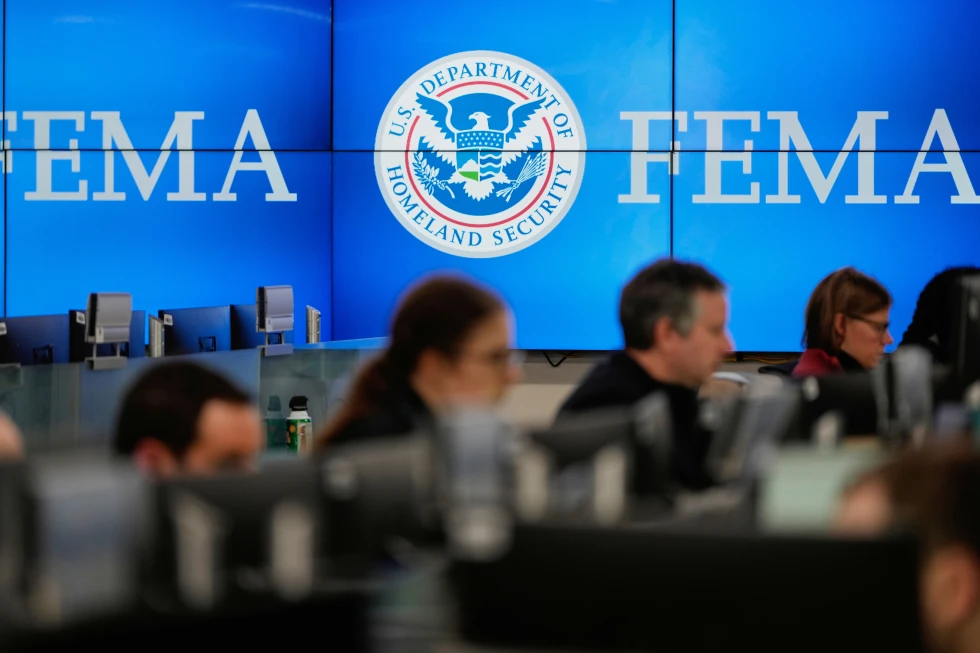
Republicans, however, argue that a shutdown would primarily impact departments outside the scope of immigration enforcement, reiterating that agencies such as the Secret Service and FEMA would take significant hits, particularly in their operational capacities.
Democrats on the panel highlighted that funding should align with a commitment to safe borders and preserving human life, especially in light of recent tragic events. Rep. Henry Cuellar underscored the dual importance of strong enforcement while respecting life during enforcement actions.
Despite the looming shutdown, approximately 90% of DHS employees are expected to continue their work, albeit without pay. The negative impact on morale and recruitment was a consistent theme echoed throughout the testimonies, with concerns about financial hardship leading employees to take extreme measures during previous shutdowns.
Furthermore, the shutdown could hinder DHS's ability to respond effectively to cyber threats, with acting officials warning of diminished capacity to support essential security measures during a shutdown. While immediate disaster responses can be managed, long-term coordination and planning may be severely compromised.