In brief
In a disturbing case from Lancaster, Pennsylvania, two teenage boys were placed on probation for creating 59 child sex abuse images using AI technology. The boys admitted to morphing photos of their classmates, specifically targeting young girls on social media. During the court hearing, the judge expressed disappointment over the boys' lack of accountability and ordered community service, restitution, and no contact with victims. The case has raised significant concerns about the impact of technology on youth, leading to potential lawsuits against the school and discussions around deeper legal reforms regarding deepfakes.
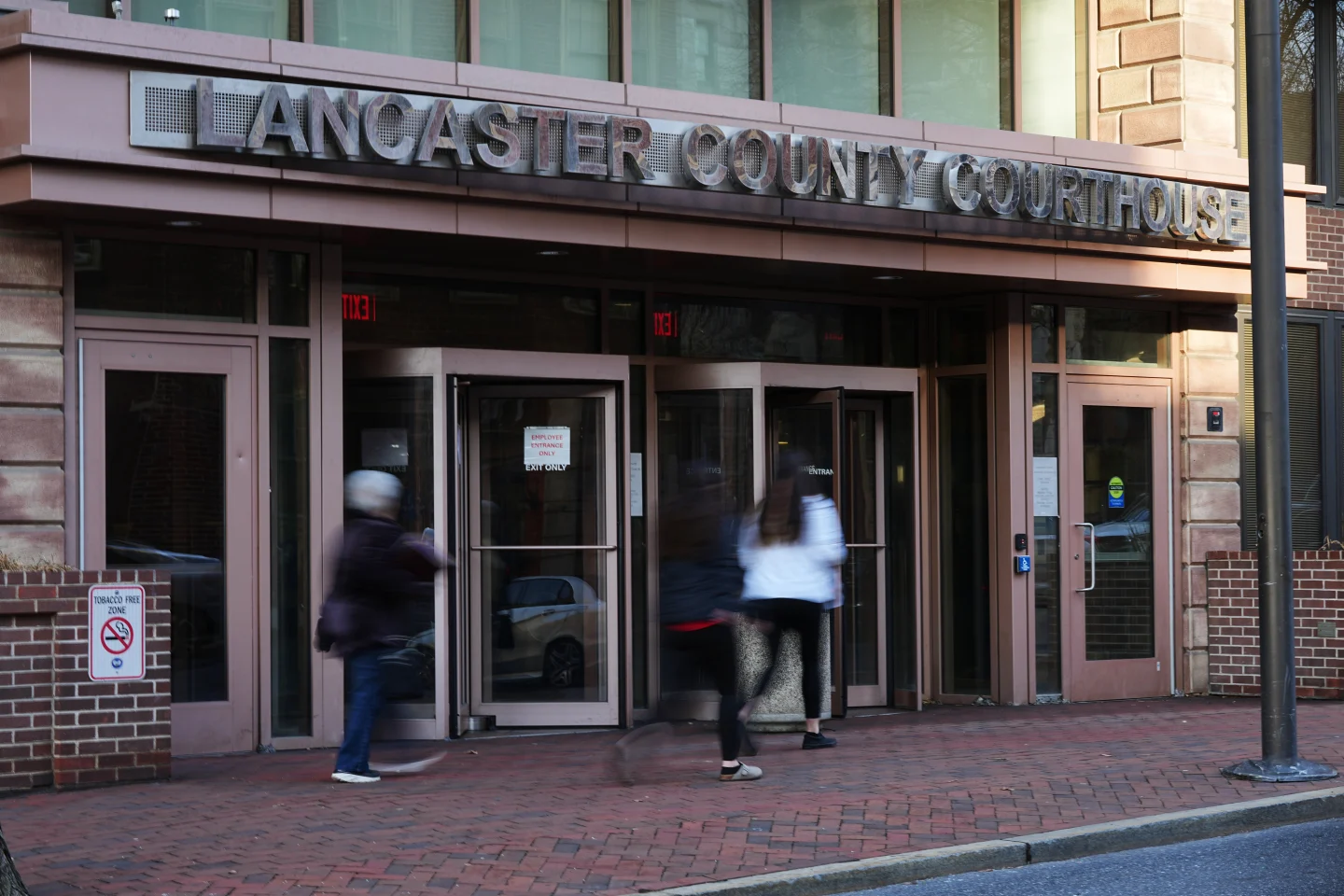
LANCASTER, Pa. (AP) — Two teenage boys who used artificial intelligence to create fake nude photos of their classmates were put on probation Wednesday and placed in the custody of their parents. The boys, who were 14 at the time, admitted earlier this month that they made 59 child sex abuse images. Prosecutors said they morphed photos of girls, many from Instagram, with virtual images of adults depicting nudity or sexual activity.Some of the victims were their classmates at Lancaster Country Day School, west of Philadelphia. Police said in court documents that a woman reported that her daughter said a fellow student had been 'taking photographs of students and using Artificial Intelligence (AI) technology to portray the female juvenile students as being nude.'Wednesday’s disposition hearing before Lancaster County Common Pleas Court Judge Leonard Brown III was the juvenile court version of a sentencing hearing. Along with probation, the boys were given 60 hours of community service each. If they don’t have any additional legal problems, Brown said the case could be expunged after two years. They were also ordered not to have contact with the victims and must pay an unspecified amount of restitution.As he imposed his sentence, Brown said he had not heard either boy apologize or take responsibility for their actions. If they were adults, he said, they probably would be headed for state prison.During the proceedings, the boys declined several opportunities to comment to the judge. Afterwards, one of the boys refused to comment outside court. 'This has been a regrettable, long torturous process for everyone involved,' Heidi Freese, an attorney for one of the boys, stated. 'There were very interesting, underlying legal issues surrounding the charges in this case and those will be decided on a different day in a different case.'Pennsylvania Attorney General Dave Sunday has said the case 'exemplifies the dark side of modern technology and social media.' He noted that the conduct involved a weaponization of technology to victimize unsuspecting children who had photos online, stating, 'The impact on the victims is nothing short of devastation.'The resolution of this Pennsylvania case comes days after teenagers in Tennessee sued Elon Musk’s xAI, claiming the company’s Grok tools morphed their real photos into explicitly sexual images. The high school students are seeking class-action status to represent what the lawsuit says are thousands of similarly victimized minors.The scandal led to a student protest, the departure of school leaders, and criminal charges against the two teenagers. Nadeem Bezar, a Philadelphia lawyer representing multiple victims, stated he is expected to file a claim against the school and others he believes are responsible for the creation and dissemination of these deepfake images. Bezar noted the girls’ reactions varied, with some traumatized by the incident, emphasizing how such actions dramatically affect young minds striving to navigate their teenage years.As the accessibility of AI technology grows, lawmakers nationwide are enacting legislation to combat deepfakes. Recent legislation, including the Take it Down Act signed by President Trump, prohibits publishing intimate images, including deepfakes, without consent, and mandates the removal of such content within 48 hours of victim notification. Currently, 46 states have laws addressing deepfakes, with additional legislation proposed in four remaining states.}